

Preemie Zip Up Sleepers: Essential Comfortable Wear for Premature Infants
Understanding Preemie Zip Up Sleepers: Vital Wear for Our Smallest Babies
When we talk about baby clothing, the conversation usually centers on comfort, convenience, and safety. But for the tiniest humans—preemies, or premature babies—these factors become not just important but absolutely critical. Preemie zip up sleepers are specialized garments designed for infants born before 37 weeks gestation, offering warmth and easy access without the hassle of fiddly buttons. Globally, with an estimated 15 million babies born prematurely each year according to the World Health Organization, the demand and importance of such products touch many lives.
Why does it matter? Well, premature babies often have underdeveloped organs and fragile skin, and typical baby clothes can cause irritation or be impractical for medical care. Understanding the design, benefits, and global context of preemie zip up sleepers helps healthcare providers, caregivers, and manufacturers better support these vulnerable little ones.
Global Context: Small Garments, Big Impact
Premature births vary worldwide, with higher rates in some developing regions—up to 18% in certain parts of Africa and South Asia, per UNICEF data. The challenge lies not just in medical intervention but in ensuring these infants have appropriate clothing that supports their delicate physiology. Conventional baby clothes aren’t one-size-fits-all here; too loose or tight, hard to open for quick diaper changes or monitoring, and sometimes made from synthetic fibers that might irritate sensitive skin.
Preemie zip up sleepers directly answer this challenge by combining design innovation and material science. Frankly, they’re a global necessity — hospitals, NICUs, and families worldwide depend on them.
What Exactly Are Preemie Zip Up Sleepers?
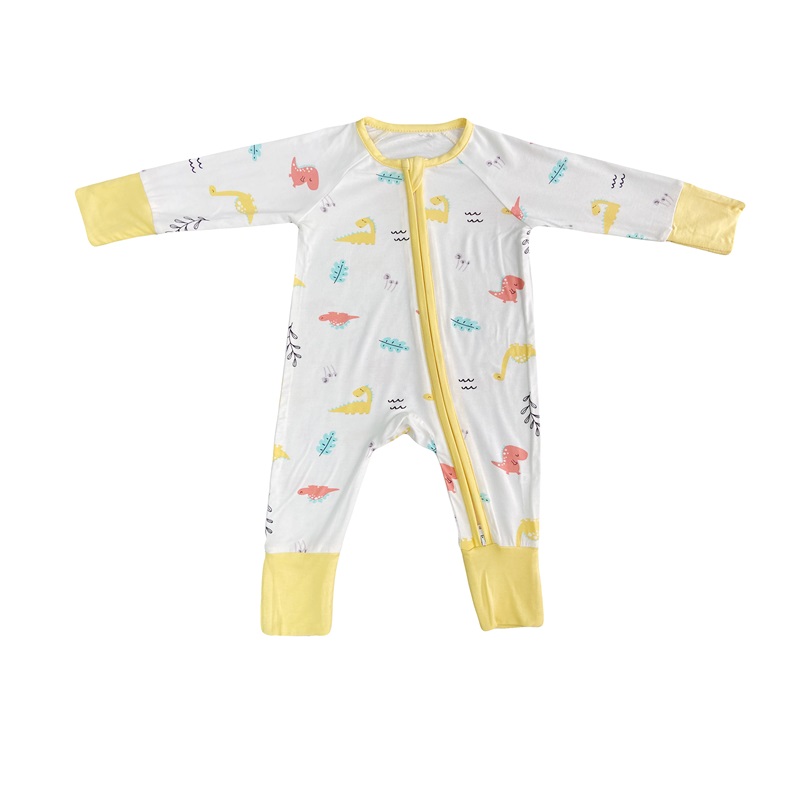
In simple terms, they are one-piece outfits for premature infants featuring soft, breathable fabrics and a zipper closure running from the neck down one leg. This zipper placement—often along the side or front—is key because it allows easy access for caregivers and nurses to check vital signs, change diapers, or dress and undress the baby without disrupting fragile skin or tubes. The material usually includes organic cotton blends or bamboo fibers, promoting breathability and hypoallergenic properties.
In the humanitarian and medical industry, these sleepers are categorized as essential neonatal apparel, designed to meet stringent safety and comfort standards. Their compact sizing and ease of care make them ideal for hospitals, especially those in low-resource settings.
Core Components of Preemie Zip Up Sleepers
1. Material & Fabric
The fabric must be ultra-soft, breathable, and free of harsh chemicals—organic cotton and bamboo rayon usually top the list. These materials avoid skin irritation and help regulate temperature since premature infants can’t control their body heat well.
2. Zipper Design & Placement
Zippers provide fast, gentle access. Most models use plastic, rust-proof zippers with a zipper guard flap to protect tender skin from scratching. Placement—usually asymmetrical, running down the front and leg—facilitates medical care without fully undressing the baby.
3. Size & Fit Precision
Unlike standard newborn clothes, preemie sleepers come in sizes from 500g to 2.5 kg weights, reflecting the incredible size variation in premature infants. They have features like expandable shoulders and ankle cuffs to accommodate tiny limbs.
4. Safety & Compliance
Brands producing these sleepers often follow ISO pediatric textile standards and infant product safety norms. Flame retardant usage is avoided; instead, the garments are designed to fit snugly enough to reduce fire risks.
5. Ease of Maintenance
They’re machine washable on gentle cycles and designed for durability despite frequent laundering in hospital settings, balancing hygiene with fabric care.
| Feature | Typical Specification |
|---|---|
| Sizes | 500g – 2.5 kg (Approx. 17 oz to 5.5 lbs) |
| Material | Organic cotton, bamboo rayon blends |
| Closure | Plastic zipper with zipper guard |
| Care | Machine washable, gentle cycle recommended |
| Safety Standards | Meets ISO pediatric textile standards |
Real-World Uses & Global Reach
Preemie zip up sleepers are a staple presence in neonatal intensive care units (NICUs) worldwide—from advanced hospitals in Tokyo to resource-limited clinics in rural India. In post-disaster relief, organizations like Doctors Without Borders often include these garments in neonatal care kits, recognizing the acute vulnerability of premature babies under emergency conditions.
Oddly enough, even in remote industrial zones with high birth rates but limited medical infrastructure, such garments reduce infant skin infections and support caregiver efficiency. Moreover, they’ve gained favor with NGOs focusing on family-centered care in refugee camps.
| Vendor | Material Quality | Size Range | Price Range | Global Shipping |
|---|---|---|---|---|
| SoftNest Babywear | Organic cotton mix | 500g to 2.5 kg | $15–$25 per unit | Worldwide |
| LittleBuds Healthcare | Bamboo rayon blend | 700g to 2.2 kg | $18–$30 per unit | Selective countries |
| Tiny Steps Supply Co. | Certified organic cotton | 500g to 2.7 kg | $22–$35 per unit | Worldwide |
Why Choose Preemie Zip Up Sleepers? The Advantages
- Enhanced Accessibility: Quick zipper access supports medical procedures without stress.
- Thermal Regulation: Keeps infants warm while allowing breathability to prevent overheating.
- Skin Safety: Chemical-free, hypoallergenic fabrics reduce risks of irritation.
- Cost-Effective: Durable and washable, they save long-term replacement costs for hospitals.
- Emotional Comfort: The snug fit and soft material promote a sense of security—a tiny hug, sort of.
These benefits add up, offering both logical and emotional reassurance. Caregivers trust these garments; parents often feel peace of mind knowing their preemie is dressed safely.
Future Trends Shaping Preemie Clothing
Looking ahead, innovation focuses on sustainable textiles—like recycled fibers and biodegradable fabrics—to reduce environmental impact. Digital transformation drives custom sizing through 3D scanning and automated manufacturing, potentially delivering better fits worldwide. Some are even experimenting with embedded sensors to monitor baby temperature and vital signs directly through garment fabrics. These developments keep pushing products beyond mere clothing to integrated health solutions.
Challenges & What Experts Suggest
Not everything is perfect. Supply chain issues sometimes limit access in low-income areas, and some garments still come with potentially irritating synthetic blends. Also, universal sizing is tricky given the stark size differences among preemies. Experts recommend increased investment in local manufacturing and tougher quality control, plus educational efforts so caregivers understand correct use and washing.
FAQ About Preemie Zip Up Sleepers
- What makes preemie zip up sleepers better than traditional baby clothes?
- They’re tailored to fragile premature skin and provide quick medical access through zippers, unlike traditional snaps or buttons. Their sizing and materials are uniquely designed for very small infants’ needs.
- How do I select the right size for my preemie?
- Sizes correspond more to birth weight than age. Check manufacturer sizing charts carefully and consider adjustable features. When in doubt, consult your neonatologist or NICU nurse.
- Are these sleepers safe in terms of fire standards?
- Most brands avoid flame retardants by providing snug fits to minimize fire risk, conforming to pediatric textile standards. Always verify with the vendor regarding compliance.
- Can preemie zip up sleepers be reused for multiple babies?
- Yes, if properly washed and sterilized. Hospitals often reuse them, but for home use, hygiene protocols should be adhered to, especially with multiple babies.
- Where can I purchase high-quality preemie sleepers?
- Reputable neonatal supply companies and specialty retailers like preemie zip up sleepers offer good options with verified quality and sizing.
Wrapping It Up: Why Preemie Sleepers Truly Matter
When you think about it, preemie zip up sleepers might seem like simple garments, but they’re so much more. They embody innovation tailored to one of the most delicate healthcare challenges globally. For hospitals, NGOs, and hopeful parents alike, the right sleeper helps ensure comfort, care, and sometimes even survival. If you want to learn more or find a trusted source to buy from, check out preemie zip up sleepers.
Even the tiniest garments can have a huge impact on life — a lesson in care and detail worth remembering.