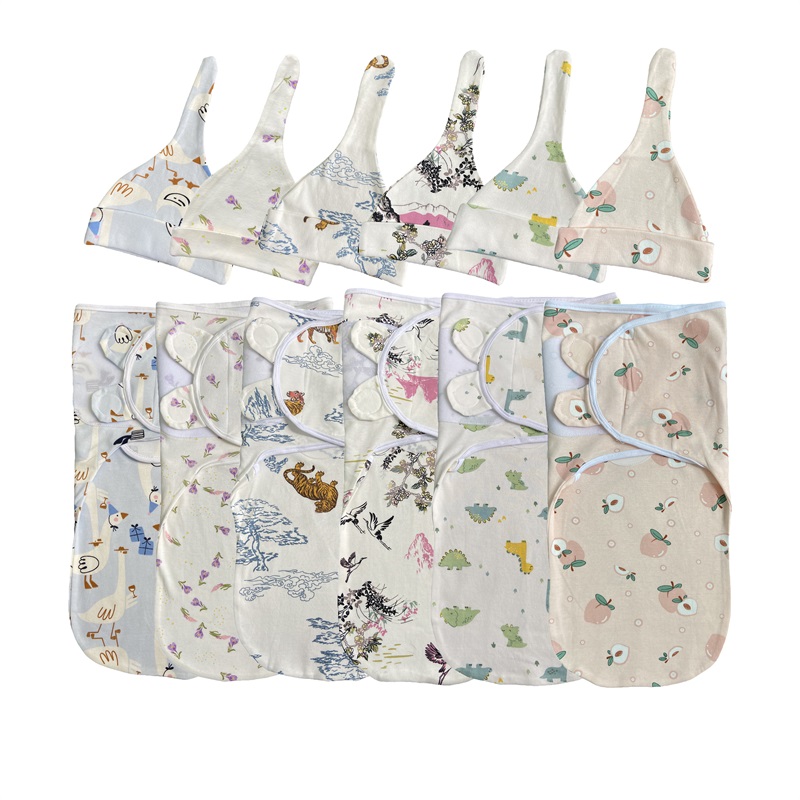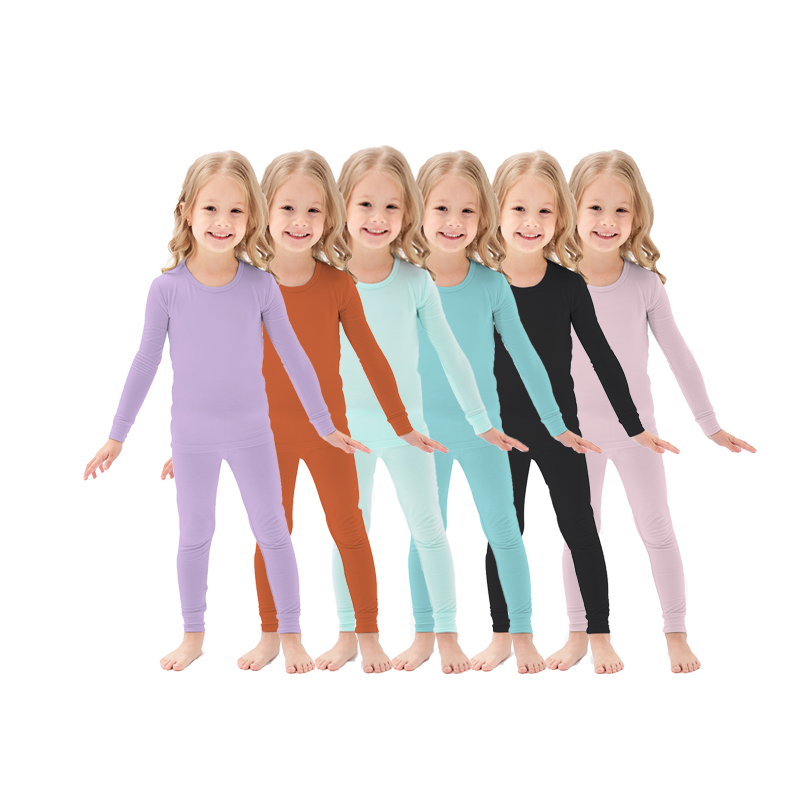


Organic Zipper Sleeper: Sustainable, Practical Babywear with Global Impact
Understanding the Organic Zipper Sleeper: A Small Innovation with Global Impact
If you’ve ever wondered how a seemingly simple product like an organic zipper sleeper fits into the bigger picture of sustainable apparel and infant health, you’re not alone. It might sound niche at first, but this garment is part of a growing global movement toward eco-friendly, practical babywear that addresses both environmental concerns and everyday parenting needs. From reducing toxic chemical exposure to offering easy-to-use design features, the organic zipper sleeper is quickly becoming a must-have in baby clothing worldwide.
Why does it matter on a global scale? Well, considering the environmental footprint of conventional cotton production and the chemical-laden dyes often used in babies' clothes, an organic alternative that’s functional and safe makes a tangible difference. Moreover, parents and caretakers benefit from the convenience and comfort that zipper sleepers provide, especially in busy or emergency situations. So yes, understanding this small product does ripple out to bigger conversations about sustainability, child health, and industry innovation.
Global Context: Why Organic Zipper Sleepers Are Gaining Ground
Globally, the textile industry ranks among the top polluters, with conventional cotton agriculture consuming vast amounts of water and pesticides (source: ISO Environmental Management). Meanwhile, parents worldwide are increasingly seeking gentle, non-toxic clothing options for their infants. Statistically, organic cotton babywear has grown by nearly 15% per year globally over the past decade, especially in regions like North America, Europe, and emerging markets in Asia.
However, a challenge remains: many organic baby garments sacrifice functionality for sustainability, or vice versa. This is where the organic zipper sleeper steps in—combining eco-conscious materials with smart, user-friendly design. It answers a need for clothing that is not just “green” but also thoroughly practical in daily life, especially for newborns who require frequent diaper changes.
What Exactly Is an Organic Zipper Sleeper?
In simple terms, an organic zipper sleeper is a one-piece baby outfit made from certified organic cotton or similarly sustainable fibers, featuring a front zipper closure instead of snaps or buttons. This zipper often runs from the neckline down to one leg, enabling rapid diaper access while keeping infants cozy. The organic aspect refers to the fabric’s cultivation under organic farming standards, free from synthetic pesticides and fertilizers, often verified by organizations like GOTS (Global Organic Textile Standard).
More than just clothing, these sleepers reflect an intersection of textile innovation, health safety, and environmental ethics—core needs for modern parents and manufacturers alike.
Key Elements of Organic Zipper Sleepers
- Material Quality and Safety: Certified organic cotton ensures minimal chemical exposure. It feels softer and more breathable than conventional fabric, which is kind to baby skin.
- Ease of Use: The zipper design allows faster dressing and diaper changes, a real-time saver and stress reducer for caregivers.
- Durability: Organic cotton is surprisingly robust when cared for properly, ensuring the sleeper holds up through countless washes without pilling or fading.
- Sustainability: Production methods lower environmental impacts—reduced water use, no synthetic pesticides, and often fair trade labor.
- Design and Comfort: Features like fold-over mittens, reinforced knees, and expandable necklines offer extra coziness and protection.
Organic Zipper Sleepers in Real-World Applications
You might think these sleepers only matter for boutique baby shops, but the truth is they have a versatile range of applications. In hospitals and neonatal intensive care units across Europe and North America, organic zipper sleepers are often used because they reduce irritation and allow medical staff to access infants easily.
In eco-conscious family homes from California to Berlin, they’re a staple for daily wear, praised for comfort and ease. Meanwhile, NGOs providing relief in post-disaster zones see potential in these sleepers for their hygienic, durable materials combined with quick-change features—helping maintain infant dignity in challenging environments.
Product Specifications of a Typical Organic Zipper Sleeper
| Feature | Specification |
|---|---|
| Material | 100% Certified Organic Cotton (GOTS) |
| Closure Type | Front YKK Zipper with Safety Cover |
| Sizes | Newborn to 24 months |
| Care Instructions | Machine wash cold, tumble dry low |
| Certifications | GOTS, OEKO-TEX Standard 100 |
Comparing Top Vendors of Organic Zipper Sleepers
| Brand | Price Range | Certification | Unique Feature |
|---|---|---|---|
| PureSnug | $28–$37 | GOTS | Water-repellent zipper shield |
| EcoNest | $25–$35 | OEKO-TEX | Extra soft bamboo-cotton blend |
| GreenNest Baby | $30–$40 | GOTS & Fair Trade | Reinforced knee patches for crawling babies |
Advantages & Long-Term Value of Organic Zipper Sleepers
The direct benefits are clear: organic zipper sleepers reduce exposure to harmful chemicals for infants, making them inherently safer. Parents often comment on the surprising durability — despite being softer and more breathable than traditional cotton, these garments last through many wears and washes.
From a sustainability standpoint, organic farming reduces water consumption by up to 90% compared to conventional methods (World Bank data). Plus, better labor practices and lower carbon footprints enhance social responsibility, which matters deeply to today’s conscious consumer.
On the emotional side, caregivers report feeling more confident dressing their newborns in organic sleepers knowing there’s a level of trusted quality and safety. The zipper design adds convenience, which, frankly, can make all the difference during bleary-eyed nighttime changes.
What’s Next? Future Trends in Organic Zipper Sleepers
Looking forward, the industry is embracing innovations like biodegradable zippers and plant-based dyes that lower chemical waste even more. Some manufacturers experiment with smart textiles, such as temperature-regulating fibers and anti-microbial finishes, without losing organic certification. Digital printing techniques are also advancing, allowing for eco-friendly, customizable patterns on organic fabric.
From a policy perspective, increasing regulations on toxic chemicals in children's products tend to favor brands investing in organic alternatives. I’d say the next decade will see organic zipper sleepers becoming a default option rather than a niche choice.
Challenges & Practical Solutions
Admittedly, the main challenges remain cost and accessibility. Organic cotton is costlier to produce, which can push prices beyond reach for some consumers. Additionally, inconsistent global standards and certification processes sometimes confuse buyers and vendors.
To mitigate this, several companies adopt closed-loop production methods, recycling water and fabric waste. Supporting transparency through blockchain or QR-code based tracking is another promising approach. Also, collaborations with NGOs and government subsidies encourage wider use in vulnerable communities.
Frequently Asked Questions About Organic Zipper Sleepers
- Q: How does an organic zipper sleeper differ from a traditional baby sleeper?
A: Unlike traditional sleepers often made of conventional cotton and snaps/buttons, organic zipper sleepers use certified organic fabrics and feature full-length zippers for quicker diaper changes and fewer irritants on baby skin. - Q: Are organic zipper sleepers more expensive?
A: Typically, yes, they carry a premium due to sustainable farming and certification costs. However, their durability and reduced health risks often justify the price for many parents. - Q: Can I use an organic zipper sleeper in hot climates?
A: Organic cotton is breathable and moisture-wicking, making it suitable even in warm climates. Some sleepers mix bamboo for enhanced cooling effects. - Q: How do I care for an organic zipper sleeper?
A: Machine wash cold, preferably on a gentle cycle. Avoid harsh detergents and bleaching to protect the fibers and maintain certification standards. - Q: Where can I purchase reliable organic zipper sleepers?
A: Many eco-friendly baby brands sell organic zipper sleepers online. For trusted selections, visit specialty retailers or check certifications like GOTS before buying.
Conclusion
The organic zipper sleeper is more than just a baby garment. It’s a thoughtful product born from sustainability, health awareness, and practical parenting needs. With its eco-friendly materials and clever design, it offers benefits that extend far beyond its simple exterior — improved infant safety, reduced environmental impact, and daily convenience. If you’re curious to explore more or add one to your baby’s wardrobe, you might want to check out organic zipper sleeper options and see for yourself.
In real terms, choosing organic zipper sleepers means supporting a future where babywear respects the planet and nurtures the next generation. It feels like a small step, but it’s part of a much larger journey.
Mini takeaway: Organic zipper sleepers embody a delicate balance of sustainability and function — crucial in the evolving world of baby apparel and beyond.
References: