

What is a Pushchair Sleeping Bag? Benefits, Uses & Buying Guide
Understanding the Pushchair Sleeping Bag: Comfort and Safety on the Move
When you think of a pushchair sleeping bag, you might picture a cozy cocoon for a napping baby on the go. But this simple accessory carries much more weight—literally and figuratively—in terms of global childcare trends, safety standards, and practical innovation. Around the world, families, caregivers, and even humanitarian organizations rely on these products to provide warmth and security for infants during chilly strolls or in unpredictable conditions.
Why Pushchair Sleeping Bags Matter Globally
With rising urbanization and more parents choosing active lifestyles with their children, the pushchair sleeping bag market is booming. According to a 2023 report by the Global Childcare Industry Association, over 40% of families in developed nations use these sleeping bags regularly, a number that's growing annually by nearly 8%. Yet the popularity isn’t limited to cities. In colder regions of Scandinavia or mountainous parts of Asia, pushchair sleeping bags solve a very real challenge — keeping babies warm and comfortable outdoors when outdoor temperatures can dip suddenly.
Additionally, in humanitarian contexts, organizations tackling cold-weather displacement situations have found these sleeping bags invaluable for infant care. Their compact design, often using advanced insulation materials, keeps babies warm without cumbersome blankets or layers, greatly reducing the risk of hypothermia and ensuring proper rest.
Defining the Pushchair Sleeping Bag
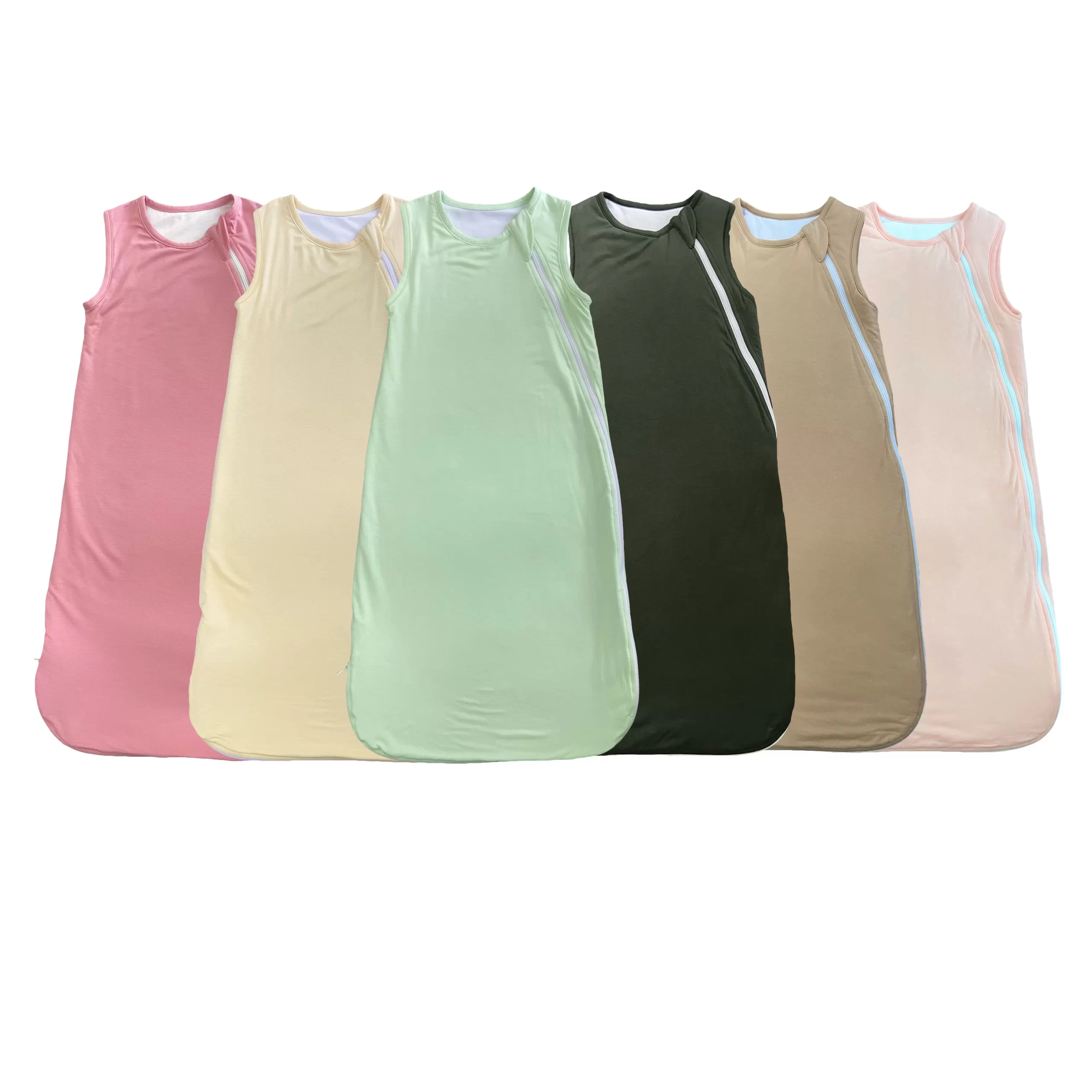
Put simply, a pushchair sleeping bag is a specialized insulated covering designed to fit pushchairs, strollers, or prams, providing a safe, comfortable environment for babies and toddlers during travel. Unlike regular blankets, these bags often attach securely to the pushchair harness to prevent slippage, feature weather-resistant outer materials, and incorporate breathable, hypoallergenic linings.
From a design perspective, they represent the intersection of childcare safety protocols and textile innovation. The modern pushchair sleeping bag reflects broader industry shifts toward multi-functional baby gear that aligns with parental demands for convenience and protection.
Key Aspects of Pushchair Sleeping Bags
1. Weather Resistance
Pushchair sleeping bags must shield little ones from wind, rain, and cold. High-quality models often use waterproof yet breathable fabrics, keeping moisture out without causing overheating — a tricky balance but absolutely critical.
2. Thermal Insulation
This is the heart of the product. Materials range from synthetic insulation like hollow fiberfill to natural alternatives such as merino wool, each offering distinct pros regarding warmth-to-weight ratio and allergenic potential.
3. Safety Compliance
Standards like EN 1888 in Europe set stringent safety requirements for accessories used with pushchairs. Proper harness openings, non-flammable fabrics, and secure closures ensure babies don’t slip out or get entangled.
4. Ease of Maintenance
Parents crave convenience: machine washable fabrics and durable colors that stand up to repeated cleaning are beloved features. In real terms, a pushchair sleeping bag has to survive daily use without losing function or appearance.
5. Versatility & Fit
Since pushchairs come in all shapes and sizes, adjustable designs with elastic edges or drawstrings are helpful for a snug fit and long-term usability across different stroller models.
Mini Takeaway:
When choosing a pushchair sleeping bag, thinking about weatherproofing, insulation, safety, upkeep, and fit will help you find the best companion for your baby's outdoor adventures.
Global Impact and Real-World Applications
Pushchair sleeping bags are more than just parents’ nice-to-haves. In European cities with cold winters, these bags have become an essential part of infant winter gear. Scandinavian babies, for example, often spend hours outdoors daily—even in near-freezing weather—wrapped securely in specialized sleeping bags designed to handle subzero conditions.
In contrast, emerging markets in Asia and the Americas see pushchair sleeping bags as increasing necessities given changing urban lifestyles and the necessity to spend more time outside or in public transport environments. Humanitarian groups operating in colder climates — imagine relief efforts in Eastern European refugee camps or mountainous refugee settlements — also value these sleeping bags for combining warmth and safety in compact form.
Mini Takeaway:
This accessory bridges lifestyle needs and humanitarian demands, proving itself globally as a versatile solution for infant warmth and comfort.
Advantages and Long-Term Value of Pushchair Sleeping Bags
- Cost-Effective Warmth: Compared to bulky clothing or multiple blankets, a pushchair sleeping bag offers insulation in a single piece, often extending the usability life through adjustable features.
- Enhanced Safety: Compliance with international safety standards gives caregivers peace of mind during naps on the move.
- Sustainability Potential: Brands increasingly use recycled or natural fibers, contributing toward circular economies.
- Emotional Comfort: Parents report less fussiness and better sleep for their babies when using these bags, linking warmth to emotional and physical well-being.
Product Specification Table: Typical Pushchair Sleeping Bag Features
| Feature | Details |
|---|---|
| Shell Material | Waterproof polyester or nylon |
| Insulation | Synthetic fill or merino wool lining |
| Closure Type | Zipper with storm flap or Velcro strips |
| Harness Compatibility | Slots for 5-point safety harness |
| Cleaning | Machine washable, quick drying |
Future Trends and Innovations
Oddly enough, even such a seemingly simple item like a pushchair sleeping bag sees constant innovation. Industry insiders highlight emerging trends like smart textiles that regulate temperature thermally without extra bulk, or fabrics embedded with antimicrobial agents ensuring better hygiene. Sustainability continues to shape production too—brands using recycled plastics and adopting carbon-neutral manufacturing processes are becoming more common.
Digitally, we’re seeing pushchair accessories that sync with apps, tracking baby temperature to notify parents if overheating might occur. Though still niche, these digital integration trends hint at a future where infant care merges with "smart" urban mobility in practical, exciting ways.
Vendor Comparison Table
| Vendor | Price Range | Material Quality | Safety Certification | Eco-Friendly Options |
|---|---|---|---|---|
| CozyWrap | $60-$80 | High | EN 1888 Certified | Yes |
| SnugNest | $45-$70 | Medium | Pending | Limited |
| BabeShield | $75-$95 | Premium | EN 1888 & ASTM | Yes |
Challenges and Solutions in Pushchair Sleeping Bags
Despite all the progress, challenges remain. One common issue is overheating — babies are vulnerable, and the balance between warmth and air circulation is delicate. Manufacturers now address this by integrating breathable mesh panels and temperature-regulating fabrics.
Another problem is incompatibility with some pushchair models, frustrating for parents who invest in quality gear only to find fitting issues. Customizable designs and universal adaptors are gradual solutions, but the industry could still improve here.
Frequently Asked Questions About Pushchair Sleeping Bags
- Q1: Are pushchair sleeping bags safe for newborns?
- A1: Generally, yes—but only if you choose a product tested to safety standards like EN 1888 ensuring proper harness fit and breathable fabrics. Always supervise your baby during use to avoid overheating risks.
- Q2: How do I clean a pushchair sleeping bag?
- A2: Most pushchair sleeping bags are machine washable on gentle cycles. Avoid fabric softeners which can affect water resistance, and always air dry or tumble dry on low to maintain insulation performance.
- Q3: Can these sleeping bags fit all stroller types?
- A3: Many models offer adjustable fits, but it’s best to check compatibility with your specific stroller brand and size before purchase to ensure a snug, safe fit.
- Q4: Do pushchair sleeping bags work in all weather?
- A4: Mostly designed for cold weather, some bags have removable layers or adaptable insulation to handle milder climates. However, in extremely hot weather, their use is generally discouraged.
Conclusion: Cozy, Safe, and Ready to Roll
In sum, the humble pushchair sleeping bag is more than just a baby accessory — it’s an intersection of innovation, safety, and global living habits. As families and organizations continue to navigate unpredictable weather and active lifestyles, having a reliable way to keep babies warm and secure on the move is truly invaluable. For parents looking to explore versatile options backed by quality and safety, a good place to start is browsing specialized, well-reviewed models like those detailed here.
Curious to discover more or find the perfect fit? Visit our website: pushchair sleeping bag for detailed guides, trusted brands, and user experiences.
Quick Final Reflection
It’s fascinating how such a seemingly small product encompasses so many considerations—material science, safety, and even environmental impact. You kind of realize how much thoughtful design goes into making a baby sleeping bag not just warm, but smart and sustainable.