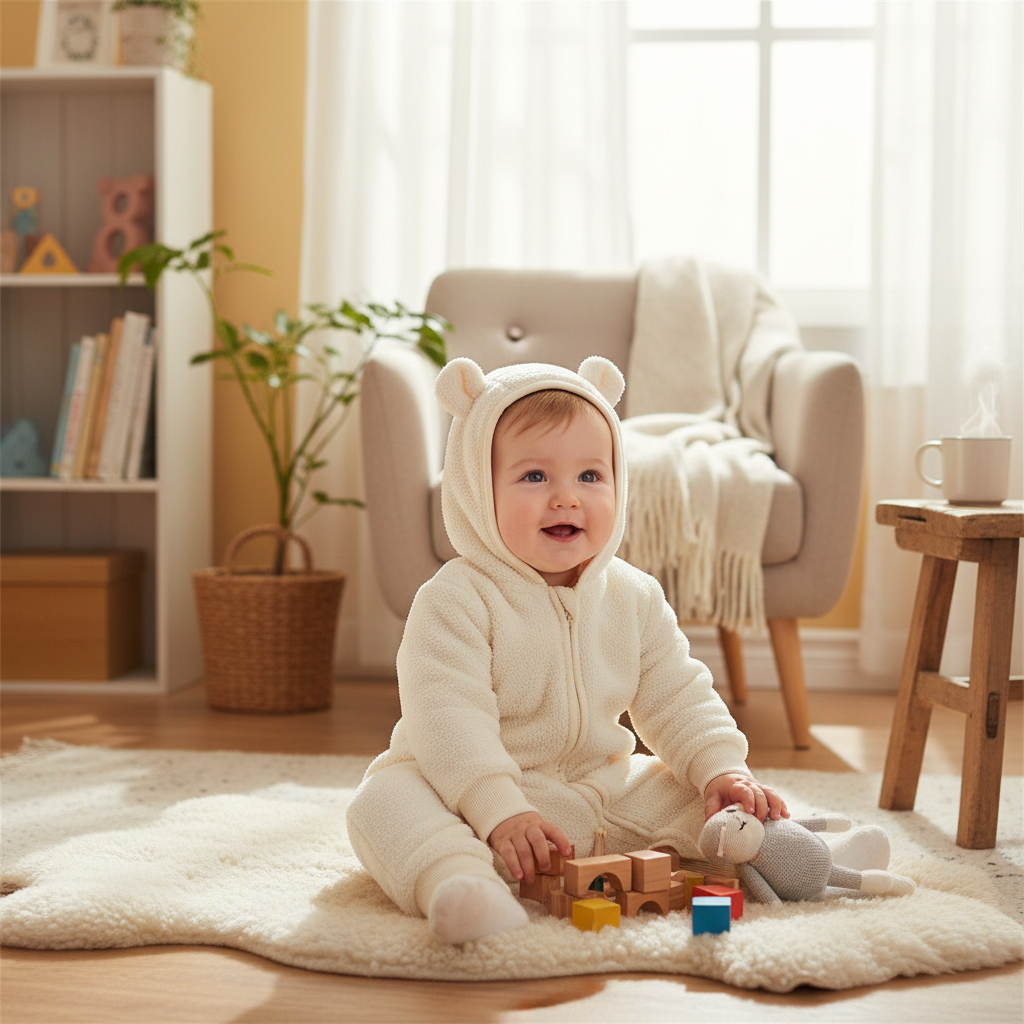
Selecting the right clothing for a newborn is more than just a fashion choice; it is a critical component of neonatal health and thermal regulation. An infant warm onesie serves as a protective cocoon, ensuring that babies, who cannot yet regulate their own body temperature, remain warm and secure during the colder months of the year.
From a manufacturing perspective, the development of the modern infant warm onesie has evolved from simple cotton layers to high-performance knitwear. By integrating advanced textile engineering with ergonomic design, these garments now provide a balance of breathability and insulation, reducing the risk of hypothermia while preventing overheating, which is a primary concern for pediatric safety.
Understanding the nuances of fabric weight, seam construction, and closure systems allows parents and wholesalers to make informed decisions. Whether it is for daily lounging or as a foundational layer under heavier outerwear, the quality of an infant warm onesie directly impacts a child's comfort and a parent's peace of mind.
Global Demand and Industry Context for Infant Warm Onesies
The global market for baby apparel has seen a significant shift toward "functional wellness," where clothing is viewed as a tool for health. According to international trade data and textile industry reports, the demand for specialized thermal wear like the infant warm onesie has grown by approximately 4-6% annually in temperate and polar regions. This growth is driven by an increasing awareness of neonatal thermoregulation and the desire for sustainable, non-toxic materials.
However, the industry faces a persistent challenge: balancing maximum warmth with strict safety standards. Many traditional heavy garments were too restrictive or used materials that caused skin irritation. Modern manufacturing now focuses on "breathable warmth," ensuring that an infant warm onesie can trap heat without trapping excessive moisture, which is essential for preventing skin rashes and maintaining a stable microclimate around the baby's body.
Defining the Infant Warm Onesie in Modern Textiles
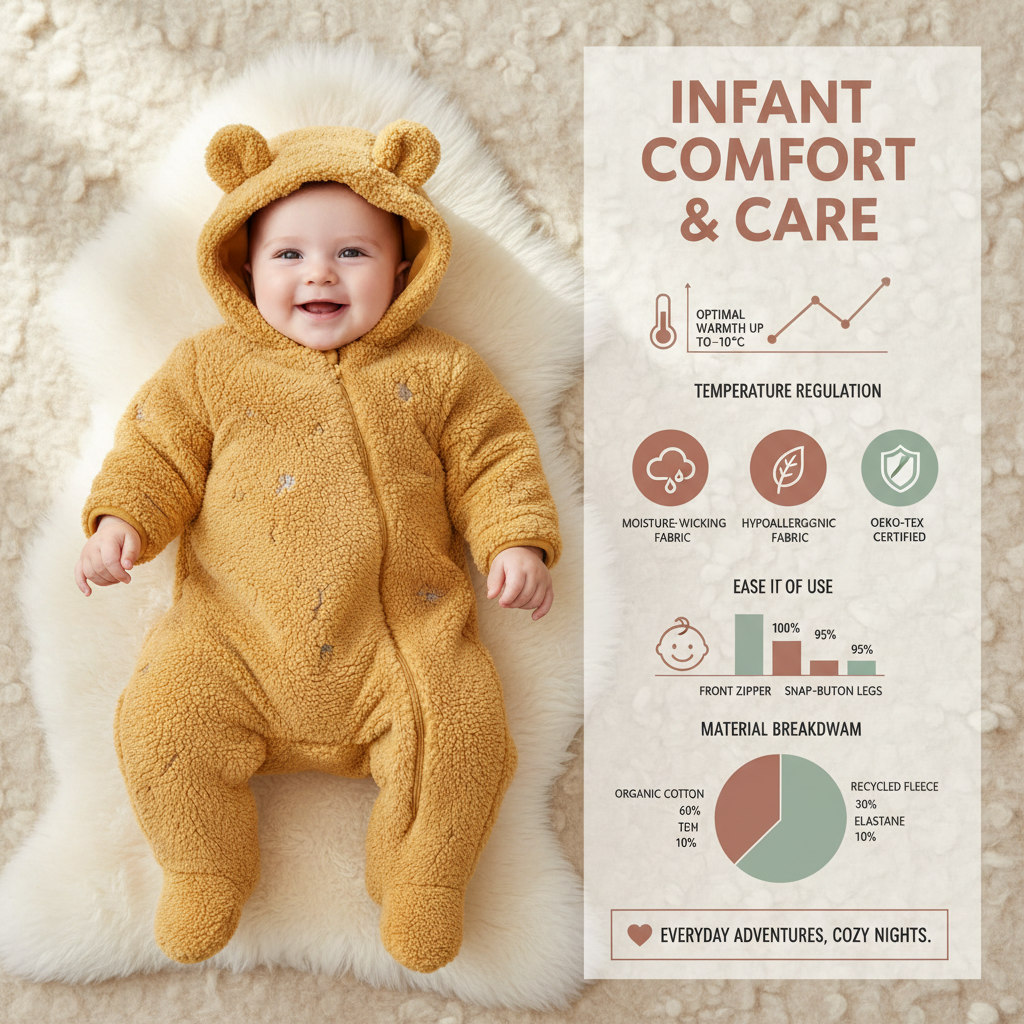
In simple terms, an infant warm onesie is a one-piece garment designed to cover the torso and legs of a baby, typically featuring integrated foot covers and a closure system for easy dressing. Unlike standard rompers, the "warm" designation implies a specific GSM (Grams per Square Meter) of fabric, often utilizing brushed fleece, organic cotton blends, or bamboo-derived viscose to provide superior thermal insulation.
Beyond mere clothing, these garments are closely linked to humanitarian needs in regions with extreme weather. In underdeveloped areas or during winter relief operations, providing a high-quality infant warm onesie can be a life-saving intervention, as it reduces the energy expenditure a newborn requires to stay warm, thereby supporting healthy weight gain and development.
From a technical standpoint, the modern onesie is a marvel of knitwear engineering. It employs a "tubular" construction to minimize seams that could chafe delicate skin, combined with stretch-recovery fabrics that allow the baby to move freely while the garment maintains a snug fit to prevent heat leakage.
Core Components of High-Quality Thermal Sleepwear
The first critical factor is Thermal Efficiency. A premium infant warm onesie must possess a high Clo value (a measure of clothing insulation). This is achieved through the use of hollow-fiber knits or brushed interiors that create tiny air pockets, trapping the body's natural heat and creating a consistent thermal barrier against the cold.
Material Hypoallergenicity is equally vital. Since infants have highly permeable skin, the infant warm onesie must be free from harsh dyes, formaldehyde, and irritating synthetic residues. OEKO-TEX Standard 100 certification is often the industry benchmark, ensuring that every thread and button is safe for prolonged skin contact.
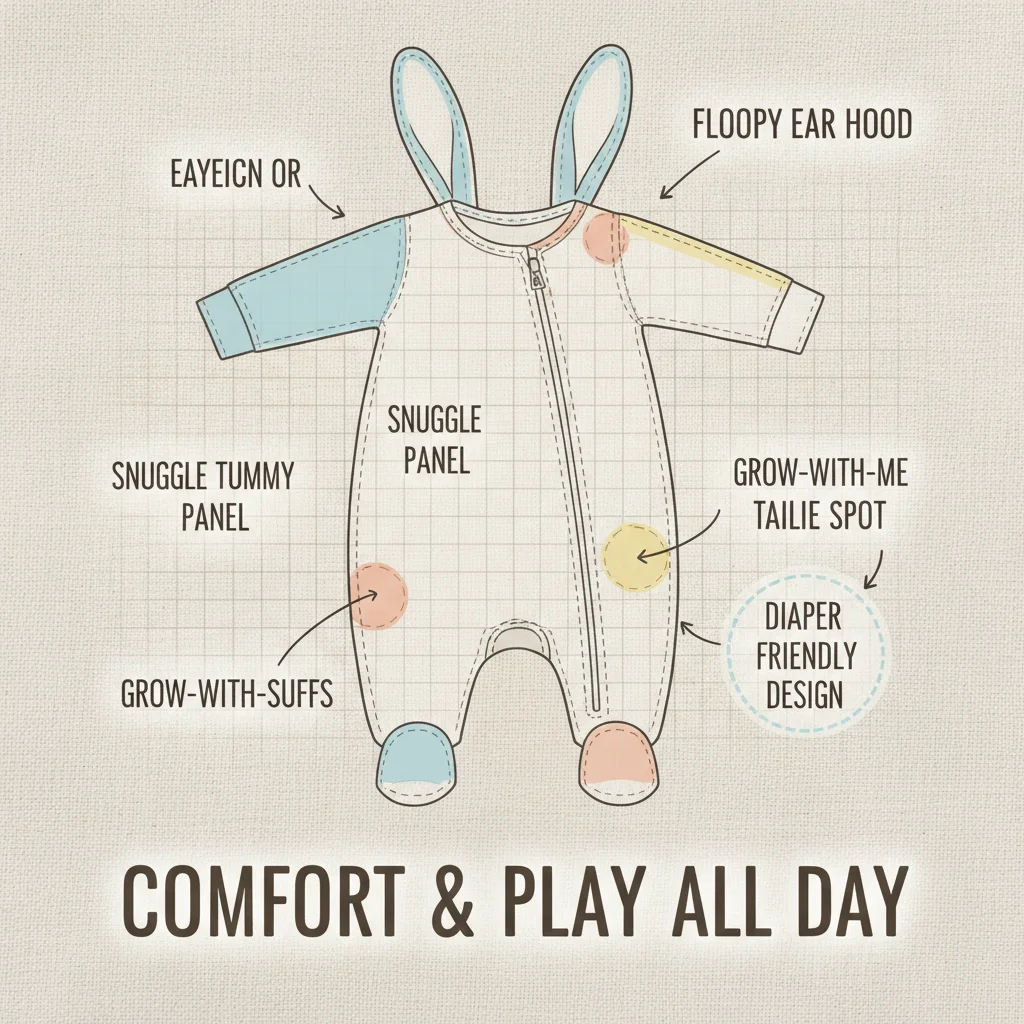
Finally, Ergonomic Accessibility defines the practical value. The inclusion of two-way zippers, fold-over mittens, and expandable necklines ensures that an infant warm onesie can be put on and taken off without stressing the baby. This design philosophy minimizes the time the infant is exposed to cold air during diaper changes, maintaining their core temperature.
Performance Analysis of Different Material Blends
Choosing the right fabric for an infant warm onesie involves a trade-off between warmth, softness, and durability. While 100% organic cotton is preferred for sensitivity, blending it with a small percentage of elastane or polyester often improves the garment's shape retention and thermal properties.
The following data represents the comparative performance of common materials used in the production of thermal infant wear, focusing on how different compositions handle heat retention and skin comfort.
Thermal Performance Rating by Material Type
Global Applications and Regional Use Cases
In Northern European and North American markets, the infant warm onesie is often used as a "sleep sack alternative" or a primary layer for indoor heating efficiency. In these regions, the focus is on aesthetics combined with high-loft fabrics that can withstand indoor temperatures as low as 18°C (64°F) without requiring multiple heavy blankets, which are often discouraged for SIDS (Sudden Infant Death Syndrome) prevention.
Conversely, in East Asian markets, such as Japan and South Korea, the application of the infant warm onesie is often integrated into "layering systems." Here, lightweight but high-density thermal onesies are worn under traditional kimono-style wraps or modern puffer suits. This allows parents to quickly adjust the baby's warmth level as they move from cold outdoor environments to highly heated indoor spaces.
Long-Term Value and Safety Advantages
Investing in a high-quality infant warm onesie provides significant long-term value by reducing the need for excessive layering. Multiple layers can often restrict an infant's natural movements, which are crucial for motor skill development. A single, well-engineered thermal piece provides the same warmth as three thin layers while allowing for unrestricted kicking and stretching.
From a safety perspective, the integrated design of a warm onesie eliminates the risk of loose blankets becoming wrapped around a baby's face during sleep. By providing warmth directly through the fabric of the garment, parents can adhere to "Safe Sleep" guidelines while ensuring the baby does not wake up from the cold.
Furthermore, the durability of professional-grade knitwear means these garments can be passed down to siblings or resold. High-quality stitching and fade-resistant dyes ensure that the infant warm onesie maintains its thermal integrity even after dozens of machine wash cycles, offering a sustainable alternative to "fast fashion" baby clothes.
Future Innovations in Smart Infant Thermal Wear
The future of the infant warm onesie lies in the integration of "smart textiles." We are seeing the emergence of phase-change materials (PCMs) that can absorb heat when the baby is too warm and release it when the temperature drops. This active thermoregulation will virtually eliminate the guesswork for parents regarding how many layers their child needs.
Sustainability is also driving innovation. The industry is moving toward biodegradable polymers and recycled ocean plastics converted into soft, thermal yarns. These eco-friendly fibers provide the same warmth as traditional polyester but with a fraction of the environmental footprint, aligning the baby clothing industry with global carbon-neutral goals.
Additionally, we anticipate the integration of non-invasive sensor technology within the fabric of the onesie. These sensors could monitor the infant's skin temperature and send real-time alerts to a parent's smartphone if the baby becomes hypothermic or hyperthermic, transforming a simple piece of clothing into a health-monitoring device.
Comparative Analysis of Infant Warm Onesie Fabric Technologies
| Fabric Type |
Thermal Retention |
Breathability Score |
Durability (Wash Cycles) |
| Organic Cotton Fleece |
High |
8/10 |
50+ |
| Bamboo Viscose Blend |
Medium |
10/10 |
40+ |
| Recycled Polyester |
Very High |
6/10 |
80+ |
| Merino Wool Mix |
Extreme |
9/10 |
60+ |
| Micro-Modal Thermal |
Medium |
9/10 |
45+ |
| Hybrid Smart-Fabric |
Adaptive |
8/10 |
70+ |
FAQS
Check your baby's chest or the back of their neck. If the skin feels hot to the touch or if they are sweating, they are likely overheating. A healthy baby should feel warm, not hot. If you notice redness or dampness in the skin folds, consider a lighter fabric blend or removing a layer.
Zip-up infant warm onesies are generally preferred for convenience, especially during midnight changes. However, safety depends on the quality of the zipper; ensure there is a fabric guard (zipper cover) at the neck to prevent the zipper from scratching the baby's chin or skin.
Yes, in many cases, a thick thermal onesie can replace a sleep sack, provided the room temperature is appropriate. The advantage is that it prevents the baby from kicking the garment off. Always ensure the fit is not too tight around the waist or ankles to maintain healthy circulation.
For sensitive skin, 100% organic cotton or bamboo-derived viscose is highly recommended. These materials are naturally hypoallergenic, breathable, and softer on the skin. Look for GOTS (Global Organic Textile Standard) certification to ensure no harmful chemicals were used in processing.
Replacement is usually dictated by the baby's growth rather than the wear of the fabric. Since babies grow rapidly, you will likely need a new size every 2-3 months. Ensure the onesie is not too small, as tight clothing can restrict movement and hinder the effectiveness of the thermal air pockets.
Most are safe, but high heat can shrink organic cotton and damage elastic fibers. To prolong the life of the garment and maintain its thermal properties, we recommend washing in cold water and tumble drying on low heat or air drying.
Conclusion
The infant warm onesie is far more than a simple piece of baby clothing; it is a fundamental tool for ensuring neonatal safety, comfort, and health. By combining advanced textile engineering—such as high-GSM thermal knits and hypoallergenic materials—with ergonomic design, these garments solve the critical challenge of thermoregulation in newborns. From preventing hypothermia in cold climates to offering a safer alternative to loose blankets, the value of a high-quality onesie is evident in both its physiological and psychological benefits for the family.
As we look toward the future, the integration of smart textiles and sustainable materials will continue to refine how we protect our youngest children. We encourage parents and procurement specialists to prioritize certified, breathable thermal wear that grows with the child and respects the environment. For those seeking professional-grade, safe, and warm solutions for infants, we invite you to explore our specialized collections. Visit our website: www.factorypyjamas.com