Shijiazhuang Kuer Clothing Co., Ltd.
0%

Table of Contents

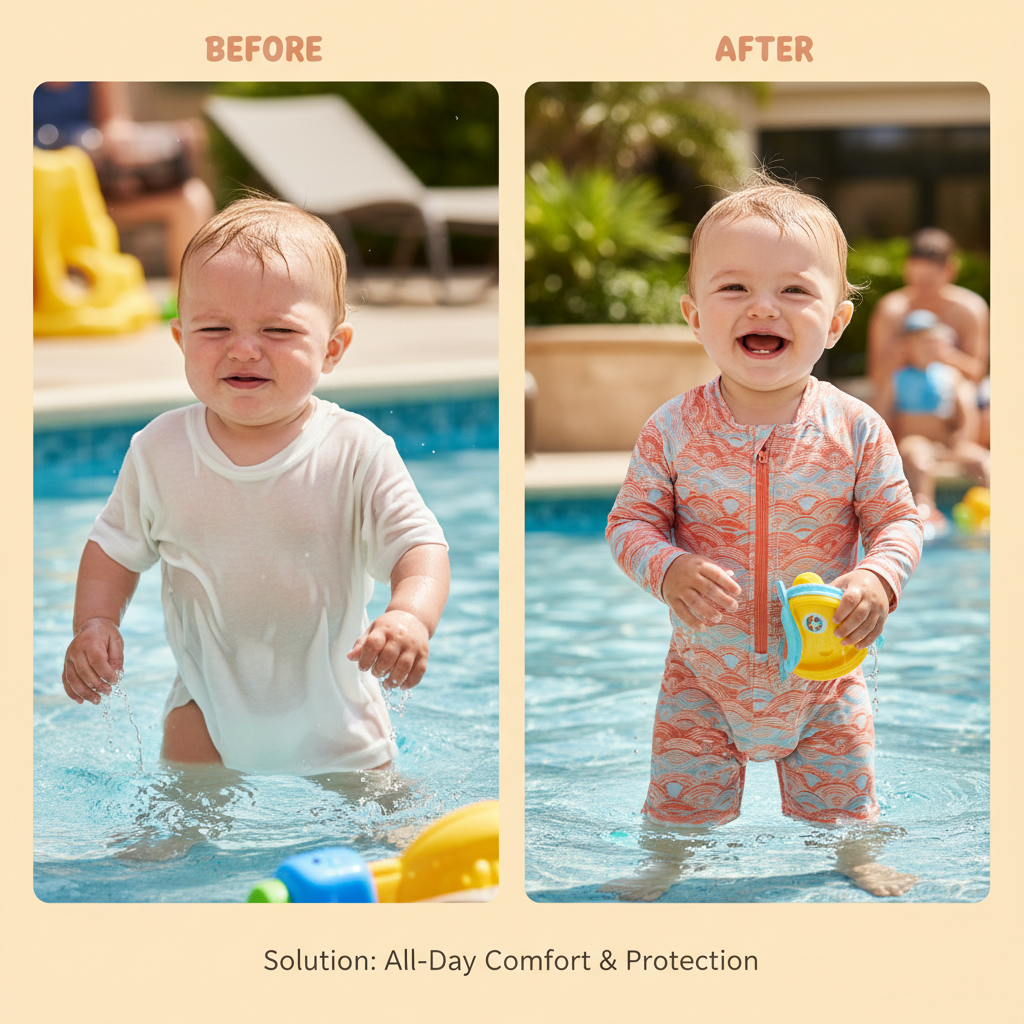
Selecting the right aquatic gear for newborns and toddlers is more than a fashion choice; it is a critical decision regarding skin protection and safety. An infant swim bodysuit provides a comprehensive shield against harmful UV rays and chlorine, ensuring that a baby's sensitive skin remains healthy during their first encounters with water.

Across the globe, the demand for specialized infant swimwear has surged as parents become more aware of the risks of sun exposure and the importance of early sensory development through swimming. Modern manufacturing in the textile industry has evolved to create fabrics that are not only quick-drying but also hypoallergenic, addressing the specific physiological needs of infants.

Understanding the technical nuances of an infant swim bodysuit—from UPF ratings to ergonomic closures—allows caregivers to maximize comfort and minimize irritation. By integrating high-performance materials with thoughtful design, these garments transform a potentially stressful experience into a joyful bonding activity for the whole family.
infant swim bodysuit

Material Science in Infant Swim Bodysuits
infant swim bodysuit

The foundation of a high-quality infant swim bodysuit lies in its textile composition. Most premium options utilize a blend of nylon and spandex (elastane), which provides the necessary stretch for movement while maintaining a snug fit that doesn't sag when saturated with water. This specific blend is engineered to resist the degrading effects of salt water and chlorine, ensuring the garment maintains its shape over multiple seasons.

Beyond basic elasticity, the integration of antimicrobial finishes has become a standard in the manufacturing process. These treatments prevent the growth of mold and mildew in the damp environment of a swim bag, while also reducing the risk of skin rashes for babies who have sensitive dermatological profiles. The result is a garment that balances technical performance with the softness required for an infant's skin.

Ergonomic Design and Infant Mobility

Design for infants requires a deep understanding of neonatal anatomy. An effective infant swim bodysuit must feature an open-leg design or a specialized gusset that allows for the easy insertion of swim diapers without creating restrictive pressure points. The neckline is typically designed with a wide stretch or a zip-front closure to prevent irritation during the dressing process, which can often be a struggle with squirming toddlers.

Mobility is paramount for sensory development in the water. By utilizing four-way stretch fabrics, these bodysuits allow babies to kick and splash freely, facilitating the natural movements required for early swimming lessons. The seams are usually flat-locked, a technical stitching method that eliminates the raised ridges found in standard clothing, thereby preventing chafing against the baby's delicate skin.

Furthermore, the distribution of weight in the garment is carefully managed. Because water-logged fabric can become heavy, the lightweight nature of a professional infant swim bodysuit ensures that the child is not weighed down, allowing them to float more naturally and feel more secure in the aquatic environment.

UV Protection and Skin Safety Standards

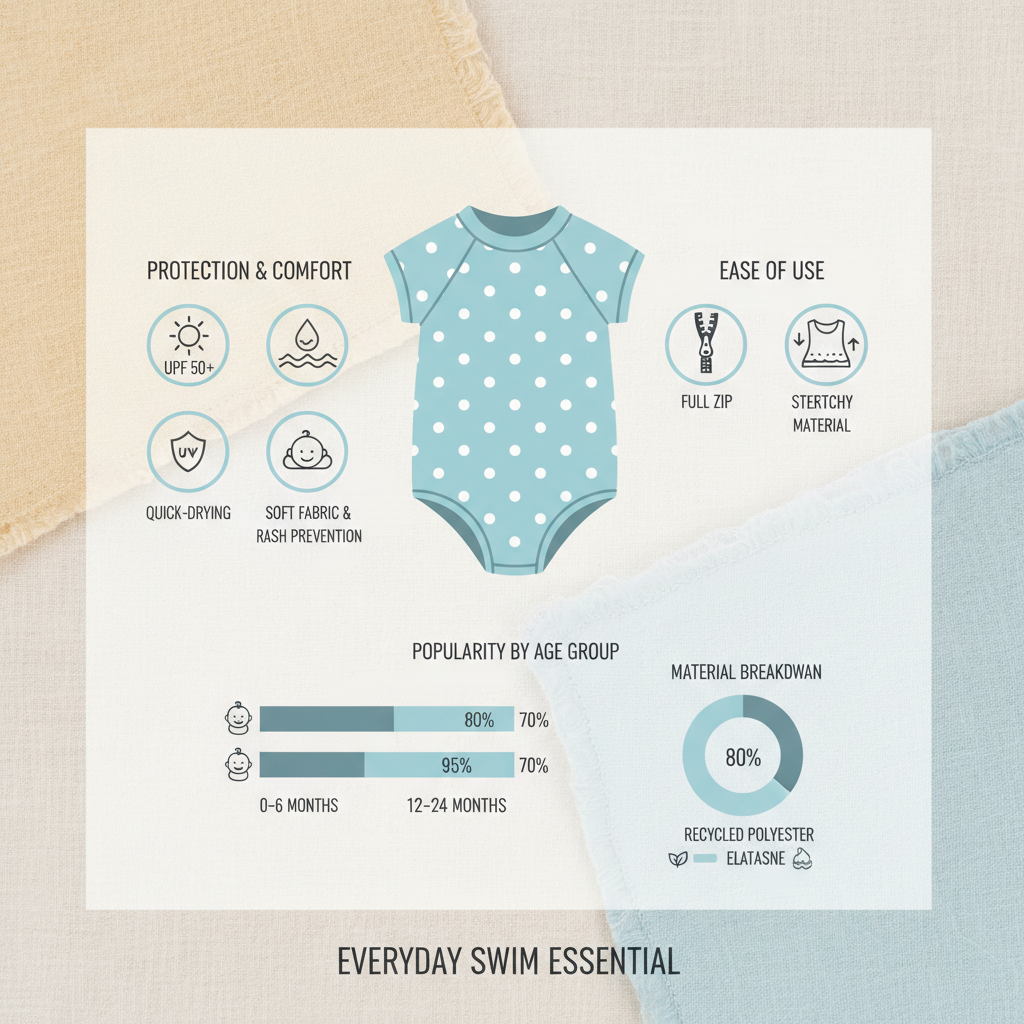
One of the primary drivers for purchasing an infant swim bodysuit is the requirement for Ultraviolet Protection Factor (UPF). Unlike adult swimwear, infant skin is significantly thinner and more susceptible to DNA damage from UVB and UVA rays, making a high UPF rating a non-negotiable safety feature.

The technical efficacy of an infant swim bodysuit is often verified through ISO standards, where a UPF 50+ rating indicates that only 1/50th of the sun's UV radiation penetrates the fabric. This provides a reliable physical barrier that reduces the reliance on chemical sunscreens, which can often cause allergic reactions in newborns.

In addition to UV protection, the chemical safety of the dyes used in these bodysuits is critical. OEKO-TEX certification ensures that the fabric is free from harmful substances like formaldehyde and heavy metals, guaranteeing that the infant swim bodysuit is safe for prolonged skin contact, even when the skin is hydrated and more permeable.

Comparative Analysis of Bodysuit Fabrics

When evaluating different types of aquatic wear, it is essential to look at the trade-offs between quick-dry capabilities, thermal insulation, and elasticity. Some bodysuits focus on maximum breathability for tropical climates, while others incorporate a slight neoprene lining to prevent hypothermia in cooler pool temperatures.

The following data illustrates how different material compositions for an infant swim bodysuit perform across key safety and comfort metrics, helping parents and manufacturers choose the optimal blend for specific environments.

Performance Metrics of Infant Swim Bodysuit Variants

Global Market Applications and Use Cases

The application of the infant swim bodysuit varies significantly by region. In coastal areas of Australia and Florida, these garments are viewed as essential health equipment to prevent severe sunburn. In these markets, full-coverage suits with integrated hoods and leg sleeves are the preferred choice to maximize the surface area of protection.

Conversely, in European and Asian urban centers, the use case shifts toward indoor hydrotherapy and infant swimming classes. Here, the focus is on thermal regulation and comfort. The infant swim bodysuit serves as a layering piece that keeps the baby warm in climate-controlled pools while remaining streamlined for movement.

Long-term Value and Sustainable Sourcing

From a commercial and environmental perspective, the shift toward sustainable textiles in baby wear is a significant trend. The use of ECONYL® (regenerated nylon from ocean waste) in the production of an infant swim bodysuit not only reduces the carbon footprint but also appeals to the eco-conscious modern parent. This alignment of safety, utility, and sustainability creates a high-value product with a strong market presence.

Beyond the material, the long-term value is found in durability. High-quality knits and reinforced stitching ensure that the bodysuit does not lose its elasticity after a few washes. This longevity reduces waste and provides a better return on investment for parents who can pass the garment down to siblings.

Ultimately, the trust established through consistent quality and safety certifications leads to brand loyalty. When a parent finds an infant swim bodysuit that fits perfectly and protects effectively, they are more likely to trust the brand for other baby accessories and clothing needs.

Future Trends in Aquatic Infant Wear

The future of infant aquatic wear is leaning toward "smart fabrics" that can change color when UV exposure reaches a dangerous threshold. Such an innovation would provide an immediate visual cue to parents that it is time to move the baby to a shaded area, adding an active layer of safety to the passive protection of the infant swim bodysuit.

Additionally, we are seeing an integration of seamless knitting technology. By eliminating seams entirely through 3D knitting, manufacturers can create a completely frictionless garment that conforms perfectly to the infant's body, further reducing the risk of skin irritation and improving the overall sensory experience.

Sustainability will continue to drive innovation, with a move toward biodegradable synthetic blends that offer the same performance as nylon but break down more efficiently at the end of the product's lifecycle.

Comparison of Technical Specifications for Future Swim Bodysuit Innovations

Innovation Type Primary Benefit Material Basis Implementation Score
UV-Reactive Dye Real-time Sun Warning Photochromic Pigments 8/10
3D Seamless Knit Zero Chafing/Irritation Computerized Knitting 9/10
Biodegradable Nylon Environmental Impact Bio-based Polymers 7/10
Thermal-Adaptive Fabric Temperature Control Phase Change Materials 6/10
Hydrophobic Coating Ultra-Fast Drying Nano-cellulose Finish 8/10
Integrated Diaper Seal Leak Prevention Silicon-elastomer Trim 9/10

FAQS

What is the ideal UPF rating for an infant swim bodysuit?

For newborns and infants, a UPF 50+ rating is highly recommended. This means the fabric blocks approximately 98% of the sun's UV rays, providing maximum protection for extremely sensitive skin. When shopping, always look for verified certifications rather than generic "sun-protective" claims to ensure the fabric density is sufficient.

Can I use a regular bodysuit as a swim bodysuit?

No, it is not advisable. Regular cotton bodysuits absorb water, becoming heavy and potentially causing the baby to chill quickly (hypothermia). Furthermore, they offer negligible UV protection and can sag, which may pose a safety risk in the water. A dedicated infant swim bodysuit is made from synthetic, quick-dry materials designed specifically for aquatic environments.

How do I choose the right size for a swimming infant?

The bodysuit should be snug but not restrictive. It should fit like a second skin to avoid dragging water and to keep swim diapers securely in place. Check the size chart for weight and height, and ensure there is enough room in the torso to avoid pinching the baby's waist or neck.

Are long-sleeved infant swim bodysuits better than short-sleeved ones?

Generally, yes. Long sleeves provide a larger physical barrier against UV radiation, reducing the amount of sunscreen you need to apply to the baby's arms. They also offer a bit more warmth in cooler water. However, the choice depends on the climate and the duration of the water activity.

How should I wash and maintain the bodysuit to keep it effective?

Rinse the bodysuit in fresh water immediately after use to remove chlorine or salt. Hand wash with a mild, phosphate-free detergent and avoid bleach, as it can break down the spandex fibers and reduce the UPF effectiveness. Air dry in the shade, as direct sunlight can fade colors and degrade the fabric over time.

Is it safe to leave a baby in a wet swim bodysuit for a long time?

While the materials are designed to be quick-drying, leaving a baby in wet clothing can lead to skin irritation or diaper rash due to trapped moisture. It is best to transition the baby into a dry towel or a cotton outfit as soon as they leave the water to maintain skin health and body temperature.

Conclusion

The infant swim bodysuit is a vital intersection of textile engineering and pediatric safety. By combining high UPF ratings, hypoallergenic materials, and ergonomic designs, these garments ensure that infants can enjoy the developmental benefits of swimming without compromising their skin health. From the use of recycled nylon to the implementation of seamless knitting, the industry continues to evolve to meet the highest standards of care and sustainability.

As we look forward, the integration of smart technologies and bio-based materials will likely redefine aquatic baby wear, making it even safer and more environmentally friendly. For parents and wholesalers alike, investing in quality-certified swim gear is an investment in a child's early wellbeing and a commitment to sustainable manufacturing. Visit our website for more professional baby wear solutions: www.factorypyjamas.com

Samuel Garcia

Samuel Garcia

Samuel Garcia is the Head of Foreign Trade Sales at Shijiazhuang Kuer Clothing. He leads our international sales team, building and maintaining relationships with clients worldwide. Samuel’s extensive experience in export sales and understanding of international trade regulations are crucial to our global reach. He is adept at managing complex orders, negotiating contracts, and providing excellent customer service. Samuel is often the first point of contact for new clients and is dedicated to understanding their unique requirements. He is deeply familiar with our certifications (OEKO, Reach, AZO) and emphasizes product quality and safety in all client interactions.
Previous Benefits and Design of Premium infant side snap onesies for Babies

If you are interested in our products, you can choose to leave your information here, and we will be in touch with you shortly.