Shijiazhuang Kuer Clothing Co., Ltd.
0%

Table of Contents

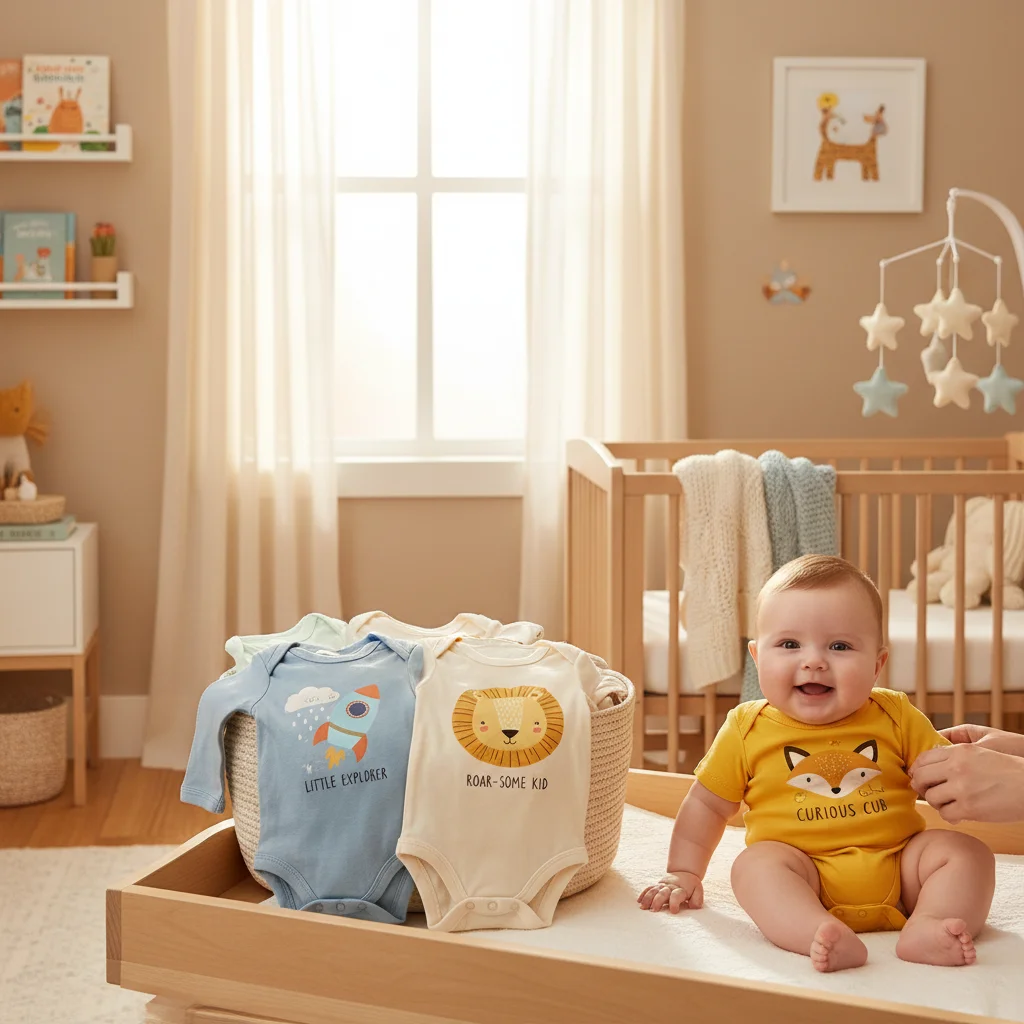
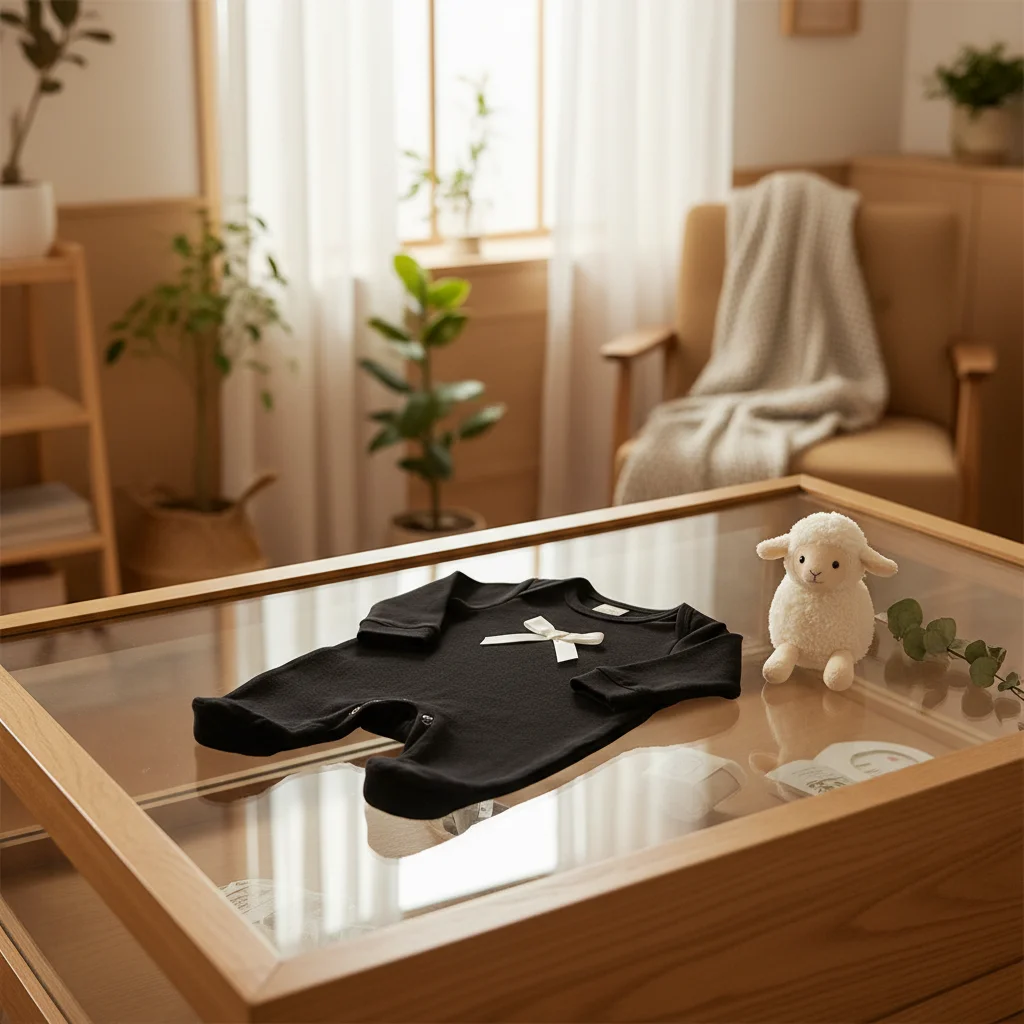
The infant raglan onesie represents a cornerstone of modern baby apparel, providing both comfort and practicality for infants. Globally, the demand for comfortable and safe infant clothing is steadily increasing, driven by rising disposable incomes and a growing awareness of child well-being. This demand presents significant opportunities for manufacturers specializing in high-quality, ethically produced garments like the infant raglan onesie. Understanding the nuances of design, material selection, and production processes is critical for businesses seeking to thrive in this dynamic market.

Within the textile and garment industry, particularly focusing on knitted or crocheted apparel and infant/home wear manufacturing, the infant raglan onesie stands out due to its inherent design features. The raglan sleeve, originating from British sporting attire, offers a wider range of motion, essential for an infant’s development. It’s a garment that addresses the core need for comfortable, easy-to-wear clothing, while also adapting to evolving fashion trends and consumer preferences.

The infant raglan onesie’s continued relevance stems from its ability to combine functionality with affordability. As a staple in a baby’s wardrobe, it offers parents a convenient and safe clothing option. The global baby clothing market is projected to reach significant growth in the coming years, and the infant raglan onesie, as a fundamental piece, will undoubtedly play a key role in meeting this demand.
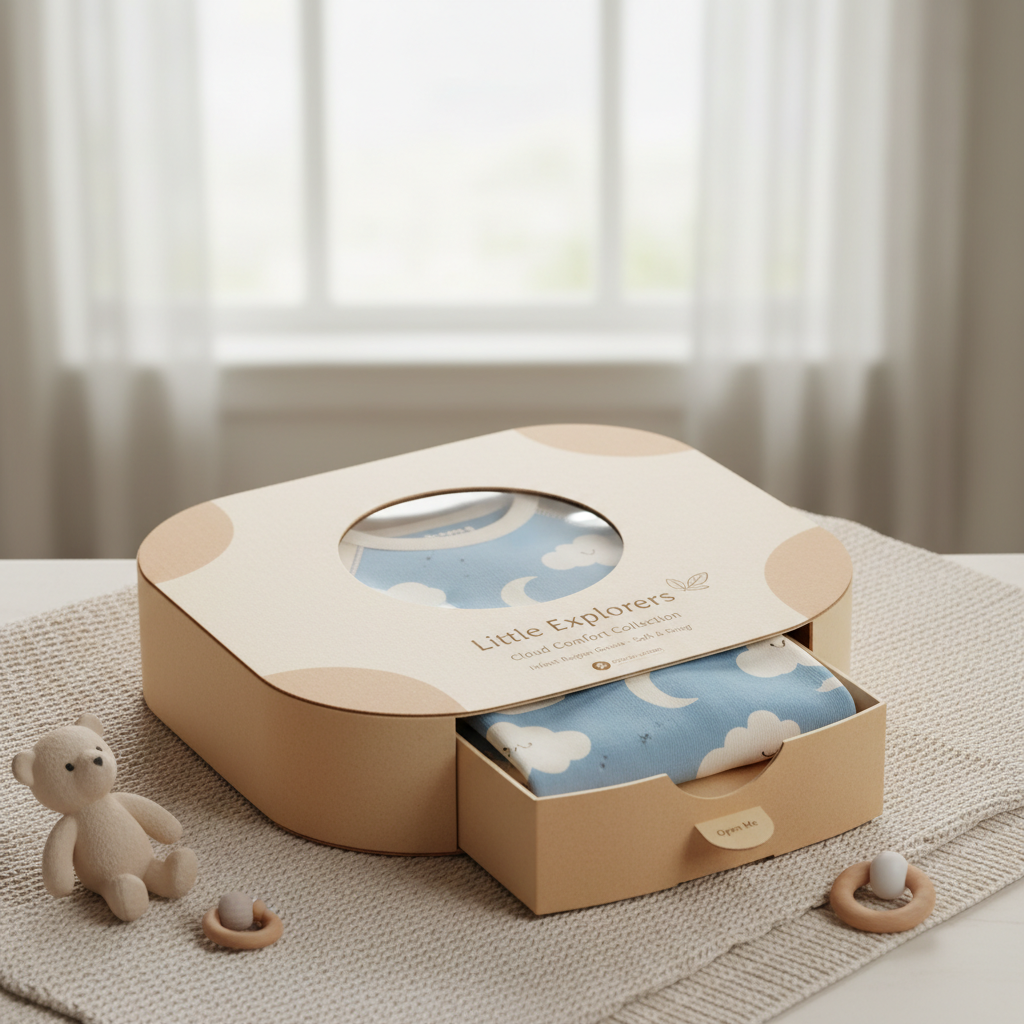
infant raglan onesie

The Importance of Infant Raglan Onesie Design
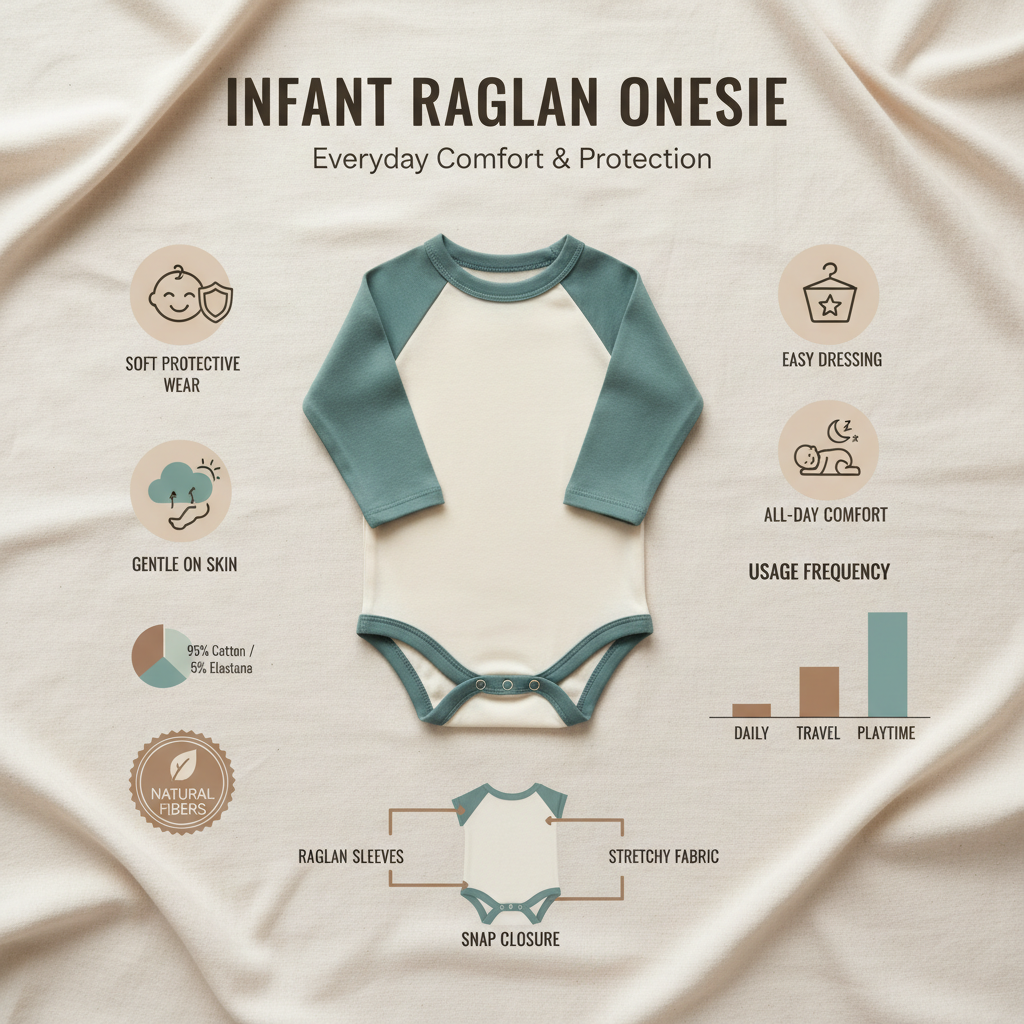
infant raglan onesie

The design of an infant raglan onesie isn't merely aesthetic; it’s fundamentally tied to the garment's functionality and a baby’s comfort. A well-designed infant raglan onesie utilizes features like envelope shoulders and snap closures to facilitate easy dressing and changing, crucial for sleep-deprived parents. Careful consideration of seam placement and garment construction minimizes irritation for sensitive infant skin.

Moreover, the raglan sleeve itself plays a key role, allowing for a full range of motion and accommodating the natural curvature of a baby’s body. The modern market sees a diversification in design, incorporating playful prints, organic cotton fabrics, and sustainable production practices, all aimed at enhancing the appeal and value of the infant raglan onesie.

Defining the Infant Raglan Onesie

An infant raglan onesie is a one-piece garment for babies, distinguished by its raglan sleeves—sleeves that extend in one piece fully to the collar, leaving a diagonal seam from underarm to collarbone. This construction differs from a traditional set-in sleeve and offers greater freedom of movement. Typically, infant raglan onesies are constructed from soft, breathable fabrics such as cotton or bamboo.

The garment’s simplicity and practicality make it a fundamental item in a baby’s wardrobe, used for everyday wear, sleepwear, and as a base layer. It’s a versatile piece often adorned with patterns, characters, or seasonal designs. Its origins stem from sportswear where the raglan sleeve’s ease of movement was prized, evolving into a popular and comfortable choice for infants.

Today, an infant raglan onesie represents more than just clothing; it embodies a commitment to infant comfort and parental convenience, fitting seamlessly into the demands of modern family life. It’s a testament to how a simple garment design can have a lasting impact.

Key Fabric Considerations for Infant Raglan Onesies

Selecting the right fabric is paramount when manufacturing infant raglan onesies. The fabric must be exceptionally soft, breathable, and hypoallergenic to prevent skin irritation. Organic cotton is a favored choice due to its natural fibers and reduced exposure to harmful chemicals. Bamboo is another popular option, known for its silk-like softness and excellent moisture-wicking properties.

Beyond the fiber content, fabric weight and weave are also crucial. A lightweight knit is ideal for warmer climates, while a slightly heavier knit provides more warmth in cooler temperatures. Interlock knit offers superior durability and a smooth finish, reducing the likelihood of pilling and ensuring a longer lifespan for the garment. It’s also important to verify fabric certifications (e.g., GOTS, OEKO-TEX) to guarantee the absence of harmful substances.

Consideration should also be given to the fabric’s dye process. Low-impact dyes are preferred as they minimize environmental pollution and reduce the risk of allergic reactions. Proper fabric preparation, including pre-washing and shrinkage control, ensures that the finished infant raglan onesie maintains its shape and size after repeated washes, enhancing its overall value and longevity.

Production Efficiency and Cost Analysis of Infant Raglan Onesies

Optimizing production efficiency is key to maintaining competitive pricing in the infant raglan onesie market. Streamlined cutting and sewing processes, coupled with automated machinery, can significantly reduce manufacturing time and labor costs. Strategic sourcing of raw materials, particularly fabrics and snap closures, also plays a vital role in controlling expenses.

A detailed cost analysis should encompass fabric costs, labor expenses, overhead (rent, utilities, machinery maintenance), and transportation fees. Efficient pattern making and fabric utilization minimize waste, further contributing to cost savings.

Cost Breakdown of Infant Raglan Onesie Production

Global Market Applications for Infant Raglan Onesies

The demand for infant raglan onesies spans across all major global markets, with significant demand in North America, Europe, and Asia. Developed nations exhibit a strong preference for high-quality, organic cotton options, while emerging markets demonstrate increasing demand for affordable and functional designs.

These garments are utilized not only for everyday wear but also feature prominently in baby gifting sets, retail clothing lines, and online marketplaces. The growing trend of personalized baby gifts and customized apparel also fuels the demand for unique and bespoke infant raglan onesie designs.

Benefits and Long-Term Value Proposition

The primary benefit of the infant raglan onesie lies in its unparalleled comfort for the baby. The raglan sleeve design allows for unrestricted movement, crucial for healthy development. Parents appreciate the ease of dressing and changing, particularly during nighttime. From a manufacturer’s perspective, the relatively simple construction and readily available materials offer a favorable cost-benefit ratio.

The long-term value proposition extends beyond immediate functionality. Consumers are increasingly prioritizing sustainable and ethically produced garments. Offering infant raglan onesies made from organic cotton or recycled materials appeals to this growing market segment, building brand loyalty and establishing a positive reputation.

Future Trends and Innovations in Infant Raglan Onesie Manufacturing

Several trends are shaping the future of infant raglan onesie manufacturing. These include the integration of smart textiles, incorporating features like temperature regulation and moisture sensing. Digital printing technologies enable on-demand customization and reduce waste.

Furthermore, advancements in fabric technology are leading to the development of even softer, more breathable, and durable materials. The rise of circular economy principles encourages the use of recycled fibers and biodegradable components, minimizing the environmental impact of garment production.

Automation and AI-powered quality control systems are also gaining traction, improving production efficiency and ensuring consistent product quality. These innovations, coupled with a continued focus on sustainability, will define the future of the infant raglan onesie market.

Key Considerations in Modern Infant Raglan Onesie Production

Fabric Type Sustainability Rating (1-10) Production Cost Durability Score (1-10)
Organic Cotton 9 $8/unit 7
Bamboo 8 $10/unit 8
Recycled Polyester Blend 7 $6/unit 6
Conventional Cotton 4 $5/unit 5
Hemp Blend 9 $9/unit 9
Modal 6 $7/unit 7

FAQS

What are the best fabrics for sensitive baby skin when choosing an infant raglan onesie?

For sensitive baby skin, organic cotton is often the best choice due to its natural fibers and minimal chemical processing. Bamboo is another excellent option, known for its exceptional softness and hypoallergenic properties. Avoid synthetic fabrics or heavily dyed materials, as these can cause irritation. Look for certifications like GOTS or OEKO-TEX to ensure fabric safety and quality when selecting an infant raglan onesie.

How often should I wash an infant raglan onesie?

It's recommended to wash an infant raglan onesie after each wearing, especially if the baby has spit up or soiled the garment. Use a gentle, fragrance-free detergent designed for baby clothes. Wash in cool or warm water and tumble dry on low or hang to dry. Frequent washing ensures optimal hygiene and prevents the buildup of irritants.

Are infant raglan onesies suitable for all seasons?

Infant raglan onesies can be adapted for various seasons depending on the fabric weight and layering. Lightweight cotton onesies are ideal for warm weather, while heavier knits or fleece-lined options provide warmth in cooler temperatures. Layering the onesie with other garments, like sweaters or jackets, further enhances its versatility throughout the year.

What should I look for in the closure type of an infant raglan onesie?

Snap closures are generally preferred for infant raglan onesies as they are easy to use and won't irritate the baby's skin. Ensure the snaps are securely attached and free of sharp edges. Avoid zippers or buttons that could pose a choking hazard. Envelope shoulders are also a useful feature for easy dressing and changing.

How can I tell if an infant raglan onesie is ethically produced?

Look for brands that prioritize fair labor practices and sustainable manufacturing processes. Check for certifications like Fair Trade or WRAP, which indicate adherence to ethical standards. Inquire about the origin of the materials and the working conditions in the factories. Supporting ethical brands helps ensure a positive impact on both people and the planet.

How do I properly care for an organic cotton infant raglan onesie to maintain its quality?

To maintain the quality of an organic cotton infant raglan onesie, wash it in cool water with a mild, eco-friendly detergent. Avoid using bleach or fabric softeners, as these can damage the fibers. Tumble dry on low heat or hang to dry. Ironing is generally not necessary, but if needed, use a low heat setting. Proper care ensures the garment remains soft, durable, and environmentally friendly.

Conclusion

In conclusion, the infant raglan onesie remains an essential and versatile garment in the world of baby apparel. From its origins in sportswear to its current status as a wardrobe staple, its design prioritizes comfort, functionality, and ease of use. The ongoing focus on sustainable materials, ethical production practices, and innovative fabric technologies will continue to shape its evolution. Understanding the factors that contribute to a high-quality infant raglan onesie is crucial for both manufacturers and consumers.

Looking ahead, the demand for infant raglan onesies is poised for continued growth. By embracing innovation, prioritizing sustainability, and responding to evolving consumer preferences, manufacturers can ensure their long-term success in this dynamic market. Visit our website at factorypyjamas.com to explore our range of premium infant raglan onesies and discover the perfect options for your little one.
Samuel Garcia

Samuel Garcia

Samuel Garcia is the Head of Foreign Trade Sales at Shijiazhuang Kuer Clothing. He leads our international sales team, building and maintaining relationships with clients worldwide. Samuel’s extensive experience in export sales and understanding of international trade regulations are crucial to our global reach. He is adept at managing complex orders, negotiating contracts, and providing excellent customer service. Samuel is often the first point of contact for new clients and is dedicated to understanding their unique requirements. He is deeply familiar with our certifications (OEKO, Reach, AZO) and emphasizes product quality and safety in all client interactions.
Previous The Importance of Durable Infant Pearl Snap Onesies for Modern Parents
Next The Essential Infant Red Long Sleeve Onesie A Comprehensive Guide

If you are interested in our products, you can choose to leave your information here, and we will be in touch with you shortly.