

Choosing the Best Swaddle and Sleep Sack for Baby Sleep Safety
Swaddle and Sleep Sack: The Ultimate Guide to Baby Sleep Solutions
Ensuring a peaceful night's sleep for your newborn is one of the most challenging yet rewarding parts of early parenthood. Choosing between a swaddle and sleep sack can feel overwhelming, as both serve the primary purpose of keeping your baby warm and secure. However, they function very differently and are suited for different developmental stages. A swaddle mimics the snug environment of the womb to prevent the startle reflex, while a sleep sack provides a safe, blanket-free alternative for older infants. In this comprehensive guide, we will break down the differences, safety considerations, and how to transition your little one for maximum comfort.
How a Swaddle Promotes Newborn Calm
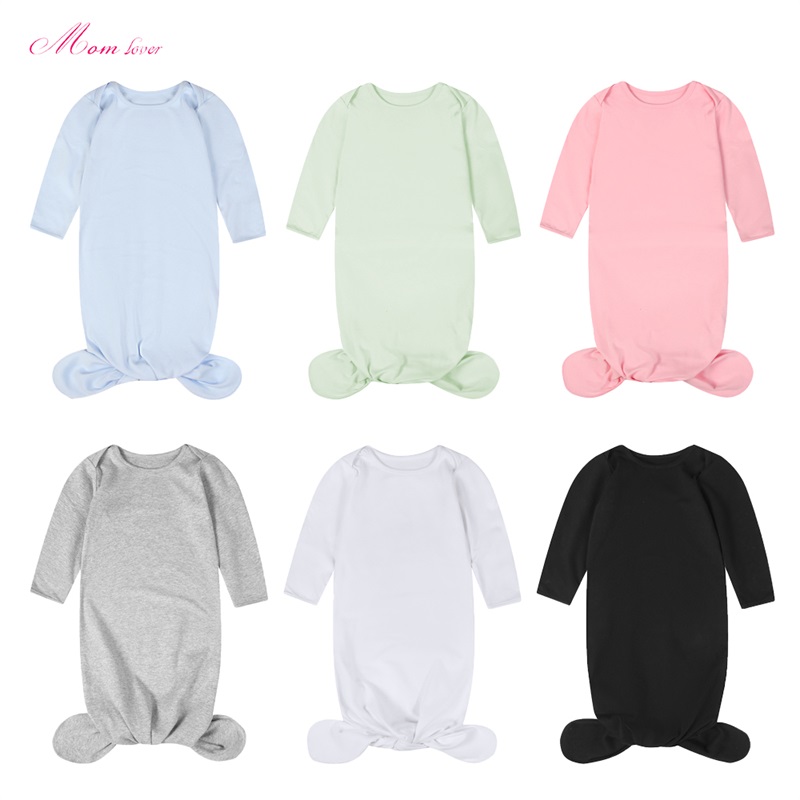
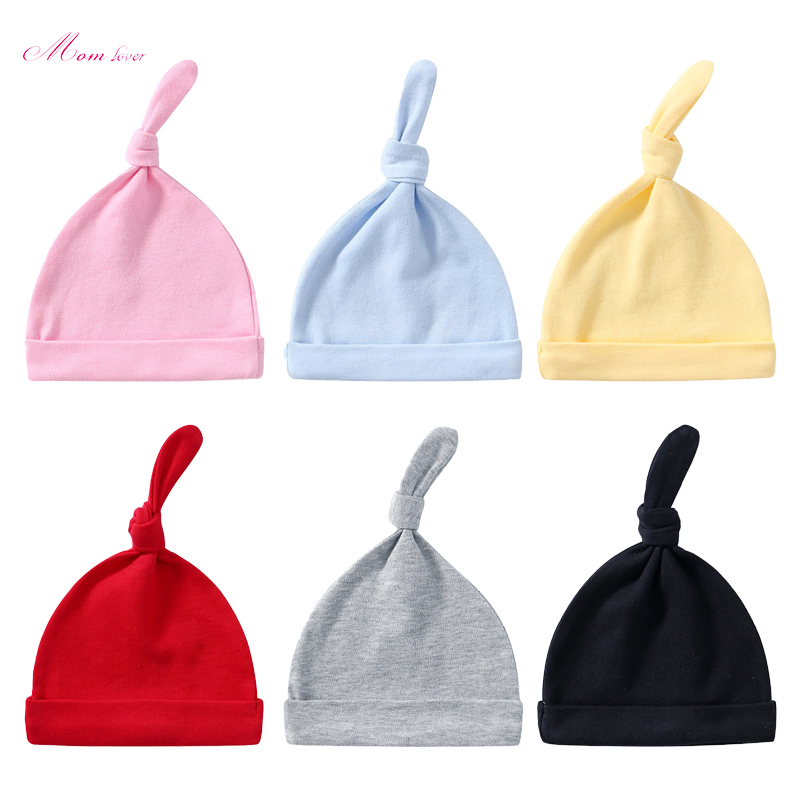
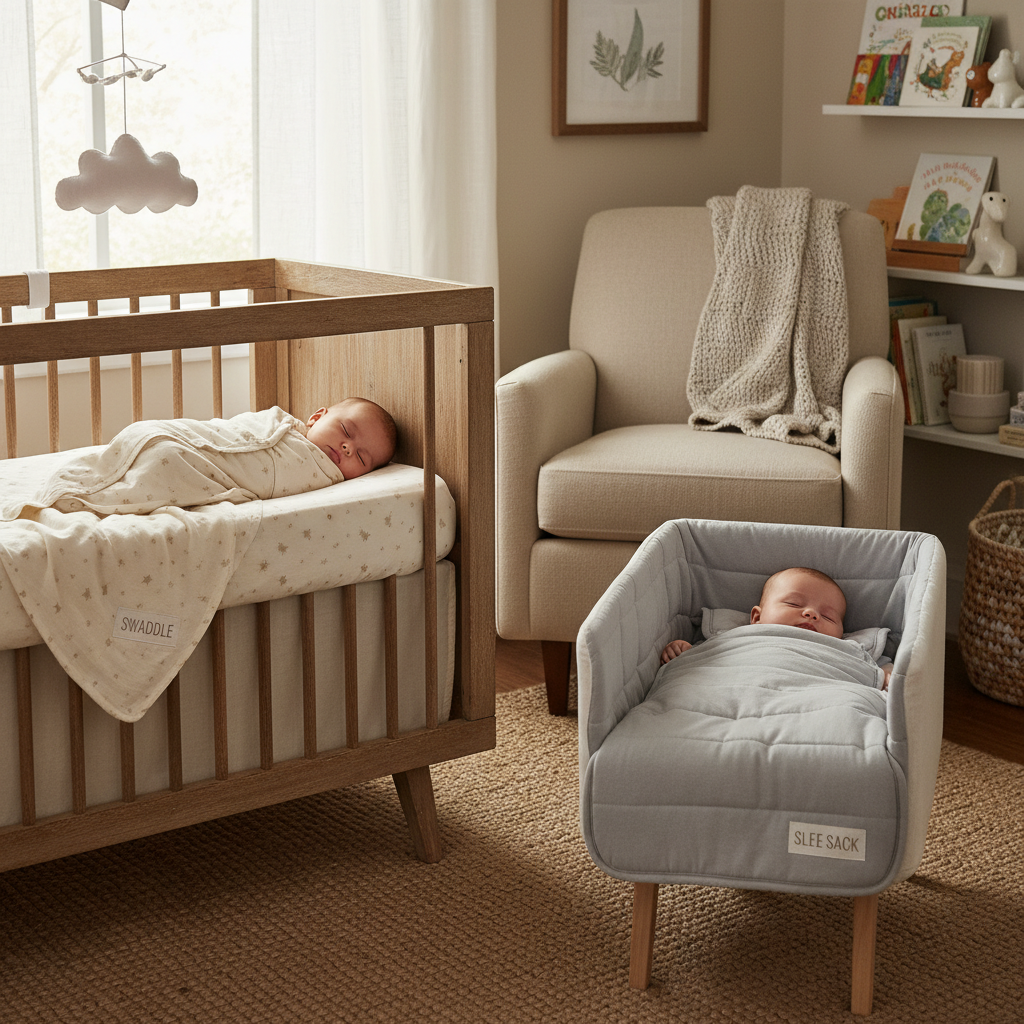
Swaddling is an age-old technique designed to soothe newborns. By snugly wrapping the baby's arms and legs, a swaddle reduces the Moro reflex (the startle reflex), which often wakes babies up abruptly. When a baby feels restricted in a way that resembles the womb, they tend to fall asleep faster and stay asleep longer. It is essential to use breathable fabrics to prevent overheating and to ensure the wrap is not too tight around the hips to allow for healthy joint development. Many parents find that a high-quality swaddle and sleep sack collection provides the versatility needed for these early weeks.
Pro Tip: Always swaddle with the arms in for newborns, but the moment your baby shows signs of attempting to roll over, it is time to stop swaddling immediately for safety.
Benefits of Using a Sleep Sack for Growing Infants
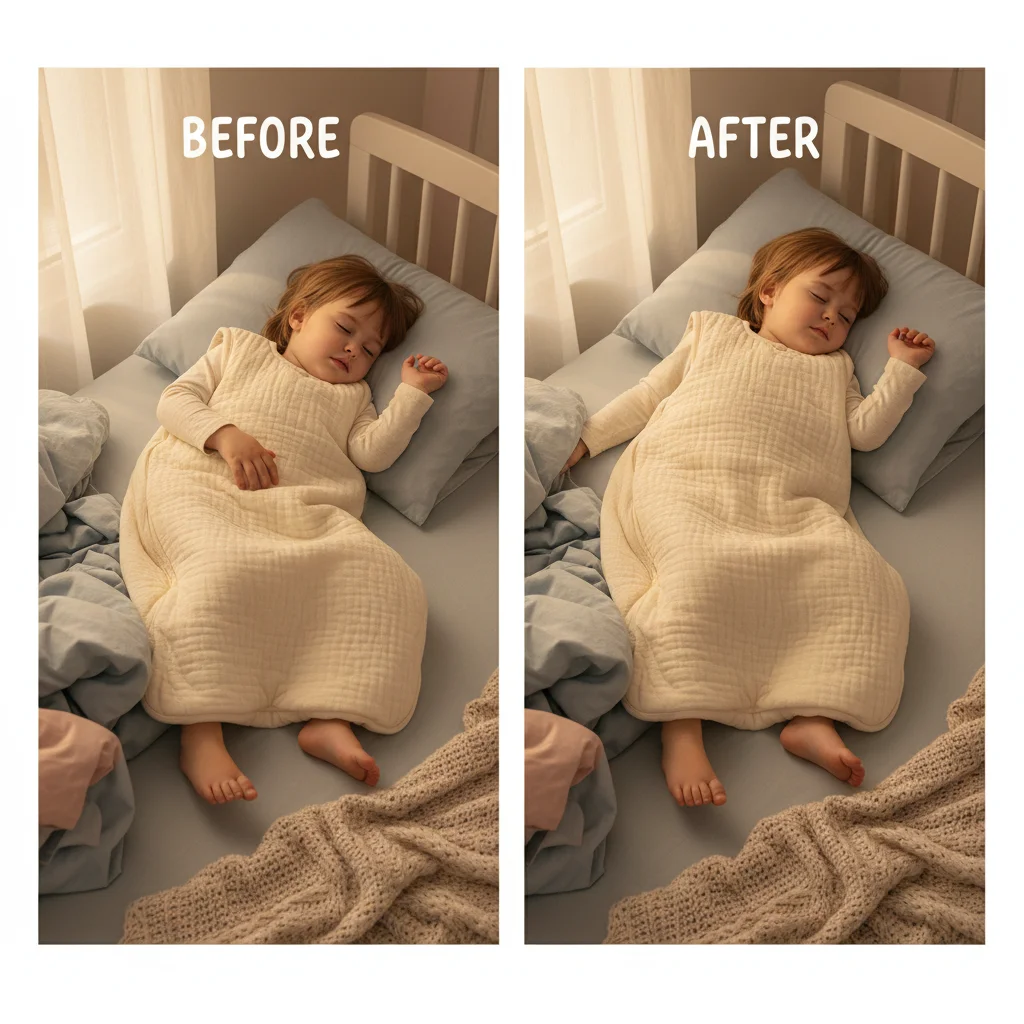
As babies grow, their needs change. A sleep sack, often referred to as a wearable blanket, is designed for infants who have outgrown the swaddle phase. The primary advantage of a sleep sack is safety; it eliminates the need for loose blankets in the crib, which is a leading recommendation from pediatricians to reduce the risk of SIDS. Sleep sacks allow babies to move their arms and legs freely, which is crucial for their motor development and self-soothing. Choosing a breathable swaddle and sleep sack ensures that your baby remains at a consistent temperature throughout the night.
Comparing Swaddle and Sleep Sack: Which One to Choose?
The choice between these two options depends entirely on your baby's age and developmental milestones. While swaddles are the gold standard for the first few months, sleep sacks are the long-term solution for toddlerhood. Below is a detailed comparison to help you decide which swaddle and sleep sack option is right for your current stage.
Transitioning from Swaddle to Sleep Sack
The transition from a swaddle and sleep sack is a major milestone. Most babies begin this transition around 3 months, or as soon as they show signs of rolling. To make this shift easier, try the "one arm out" method. Start by leaving one arm free for a few nights, then the other, until the baby is comfortable with both arms moving. This gradual approach prevents the baby from feeling too exposed and reduces the likelihood of nighttime wake-ups during the change.
Material Selection for a Swaddle and Sleep Sack
The fabric you choose for your baby's sleepwear can significantly impact their sleep quality. Cotton is the most popular choice due to its breathability and hypoallergenic properties. For colder climates, fleece or quilted materials in a sleep sack provide essential warmth. However, always check the TOG (Thermal Overall Grade) rating to ensure the garment is appropriate for the room temperature. A high-quality swaddle and sleep sack should feel soft against the skin and be durable enough to withstand frequent washing.
Conclusion: Creating the Perfect Sleep Environment
Whether you choose a swaddle and sleep sack for the first time or are planning the transition to a wearable blanket, the goal remains the same: safety and comfort. By understanding the developmental needs of your baby and selecting high-quality, breathable materials, you can help your little one achieve the restorative sleep they need to grow. Remember to always prioritize safety guidelines and transition away from swaddling as soon as your baby begins to roll. Invest in quality sleepwear to ensure both you and your baby enjoy a peaceful night.
Frequently Asked Questions (FAQs)
When exactly should I stop swaddling my baby?
You should stop swaddling as soon as your baby shows any signs of attempting to roll over. This typically happens between 8 and 12 weeks, but every baby is different. If a baby rolls onto their stomach while swaddled, they may not be able to use their arms to push their face away from the mattress, which poses a serious suffocation risk. Switching to a sleep sack at this stage ensures they have the freedom of movement needed to reposition themselves safely.
Can I put a sleep sack over a pajama set?
Yes, you can certainly put a sleep sack over pajamas. The key is to monitor the total warmth to prevent overheating. In the winter, a long-sleeved pajama set under a TOG-rated sleep sack is ideal. In the summer, a simple short-sleeved bodysuit or just a diaper under a lightweight cotton sleep sack is sufficient. Always check your baby's chest or the back of their neck; if they feel hot or sweaty, remove a layer immediately.
Are swaddles better than sleep sacks for colic?
For babies experiencing colic or extreme fussiness, a swaddle is often more effective in the early weeks. The snug pressure mimics the security of the womb and can help calm a distressed nervous system. However, once the baby reaches the age where they can self-soothe by sucking their thumb or touching their face, a sleep sack may be better as it allows them to use their hands for comfort. For premium options, visit the Factory Pyjamas website for a variety of choices.
How do I choose the right size sleep sack?
Choosing the right size is crucial for both safety and comfort. A sleep sack should be loose enough to allow the baby to move their legs and hips freely (to prevent hip dysplasia), but not so large that the fabric can bunch up around the baby's face. Most brands provide weight and height guidelines. It is generally better to size up slightly than to choose a sack that is too tight, as this ensures a better fit as the baby grows rapidly during the first year.