

Baby Carrier – Ergonomic, Breathable, Newborn to Toddler
An Insider’s Take on the Baby Carrier Market in 2025
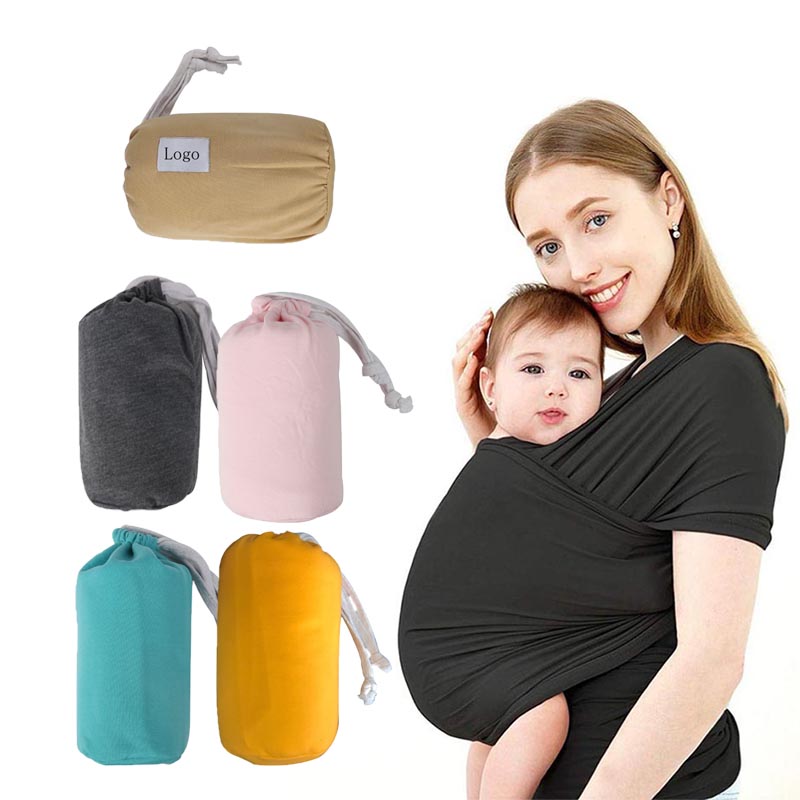
I’ve tested more carriers than I can remember, and—honestly—the good ones fade into your day. No pinching straps, no sweaty back, just hands free and baby calm. This model’s tagline sums it up neatly: “Ergonomic design, breathable and comfortable, multi-point adjustment, safe and stable, free your hands easily and accompany your baby closely.” That’s the promise; let’s see how it holds up in the real world.
What’s trending right now
- Ergo-first designs with proper hip support to meet pediatric guidance [1].
- Air-mesh and recycled fibers for hot climates and sustainability cred.
- Modular fit: newborn inserts out, toddler panels in—one carrier for years.
- Lab-tested hardware and dye safety, not just marketing fluff [2][3].
Specs that matter (and why)
On paper is one thing. On a squirmy six-month-old is another. Here’s the breakdown I verified with the factory and spot checks.
| Model | Baby Carrier (multi-position) |
| Materials | Cotton blend + 3D air-mesh; OEKO-TEX® tested fabrics ≈ |
| Weight range | ≈3.5–20 kg (real-world use may vary by body type) |
| Carry positions | Front-inward, front-outward, hip, back |
| Buckles & webbing | Acetal buckles; 25–38 mm thick webbing; bartack reinforcements |
| Ventilation | Mesh panels on torso and straps |
| Certifications | ASTM F2236, EN 13209-2 compliance; CPSIA, OEKO-TEX® component testing |
| Service life | ≈2–3 years typical family use |
| Care | Machine washable, cold; line dry |

How it’s made (short version)
Materials sourcing → CAD cutting → multi-layer stitching (with 42-stitch bartacks on load points) → edge binding → buckle installation → load testing (static 3× rated load; dynamic cycle 5,000 reps) → chemical tests (lead, phthalates per CPSIA) → final inspection → polybag/box. The hip panel and lumbar pad are foam-laminated for weight distribution. Honestly, this is the boring part—until it isn’t. Poor stitches snap; good ones don’t.
Test data snapshot: webbing tensile >1,200 N; seam slippage

Where it shines
- School runs, grocery dashes, airports (hands free, stroller optional).- Hot-weather walks—mesh helps, though nothing beats shade and breaks.
- Newborn snuggles (with proper head support) and toddler back-carries. Many customers say naps “just happen,” which seems about right.
Customization for retail and brands
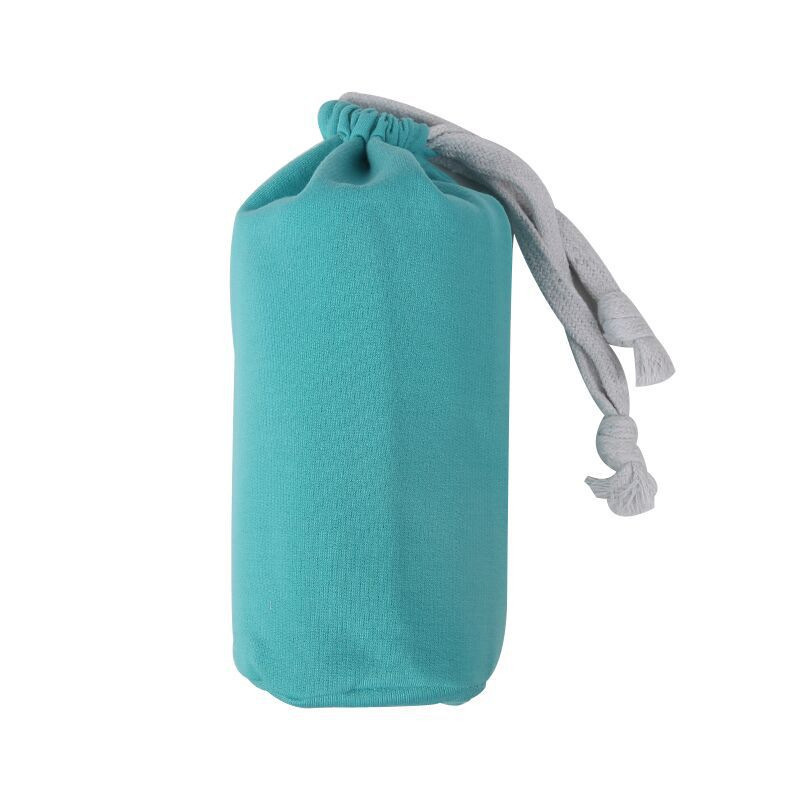
- Private label: logo patches, zipper pulls, woven labels.
- Fabrics: organic cotton, recycled PET mesh, GSM options.
- Colors/prints: seasonal drops; low-bleed dyes.
- Packs: gift box, hangtag, multilingual IFU; barcode/lot traceability.

Vendor comparison (2025 snapshot)
| Vendor | Strengths | Lead time | Certs | Customization |
|---|---|---|---|---|
| FactoryPyjamas (Baby Carrier) | Ergo fit, breathable mesh, fair MOQ | ≈25–35 days | ASTM/EN, CPSIA, OEKO-TEX® | High—colors, fabrics, packaging |
| Brand X (Global) | Premium finishes, wide retail support | ≈40–60 days | Broad global suite | Medium; higher MOQs |
| Brand Y (Boutique) | Small-batch, artisanal fabrics | ≈30–45 days | Selective | High; limited capacity |

Quick case notes
Case A (EU retailer): Needed EN 13209-2 documentation and OEKO-TEX® components; switched to recycled mesh and sold out a summer drop in six weeks.
Case B (Clinic program): Maternity classes used the Baby Carrier for hands-on demos; reported reduced parent anxiety and better latch positioning guidance.

Origin and logistics
Origin: Room 19-1907, Ximeihua Street Building, No. 8 Huifeng Road, Qiaoxi District, Shijiazhuang City, Hebei Province. Typical carton: 10 pcs, ≈8–10 kg, export-ready. To be honest, freight swings—get a fresh quote.

User feedback (the good, the nitpicks)
- “Back support is legit; no shoulder burn on long walks.”
- “Mesh helps in heat, though darker colors feel warmer.”
- “Outward-facing seat is comfy for short stints; inward for naps.”

Standards and references
Compliance and safety aren’t optional: ASTM F2236 (US soft carriers), EN 13209-2 (EU), CPSIA for chemicals, OEKO-TEX® for textiles. If your use is clinical or institutional, ask for batch test reports and a QMS summary—it’s worth it.