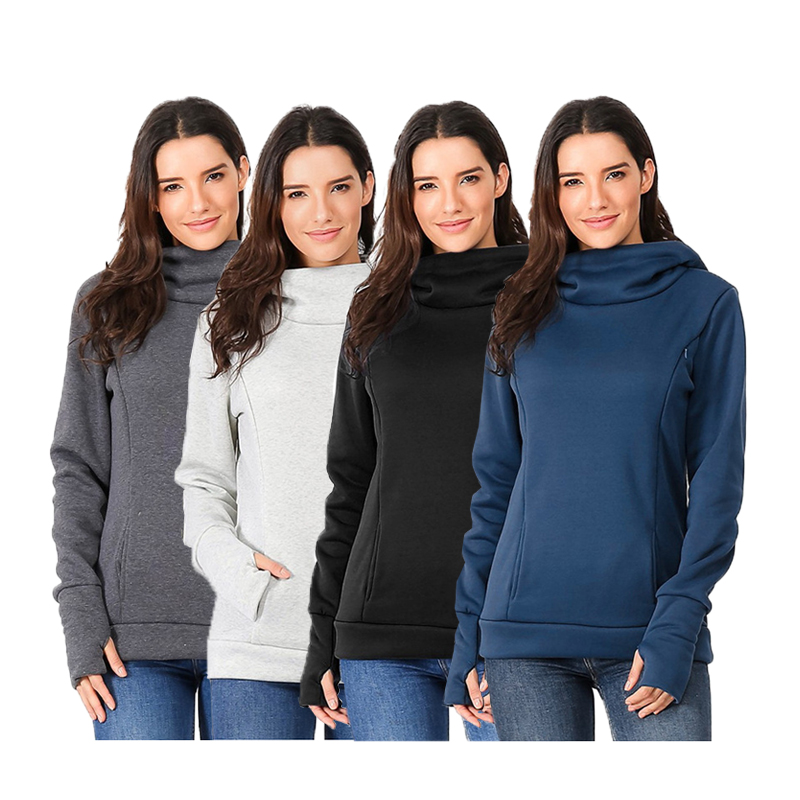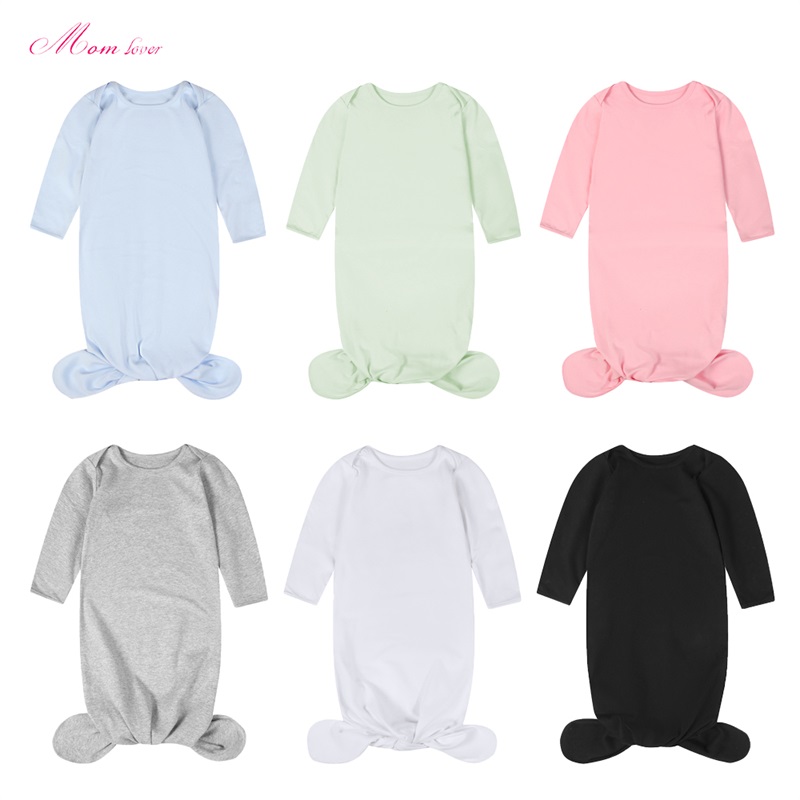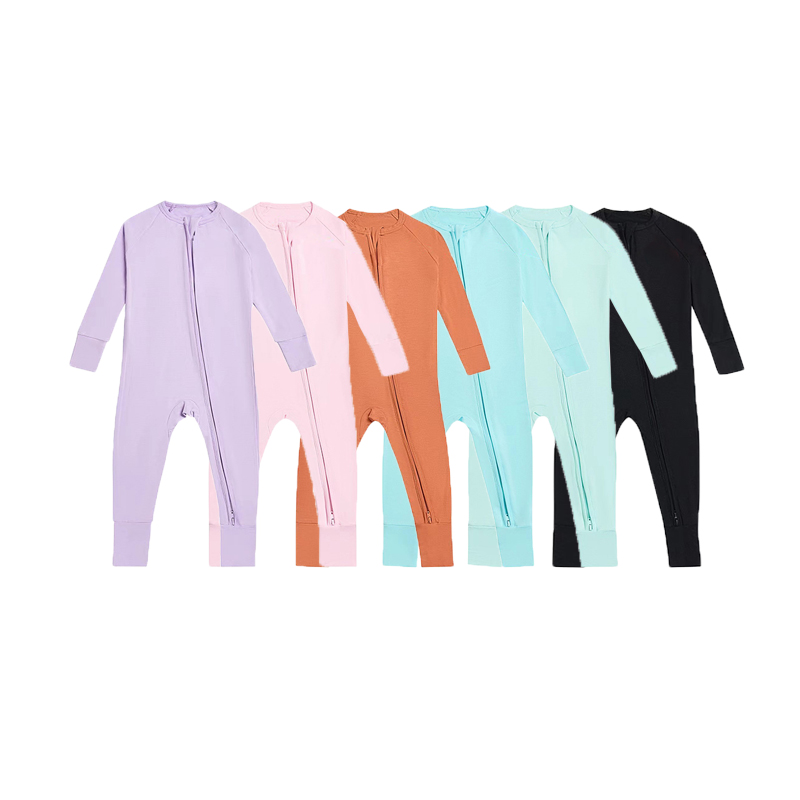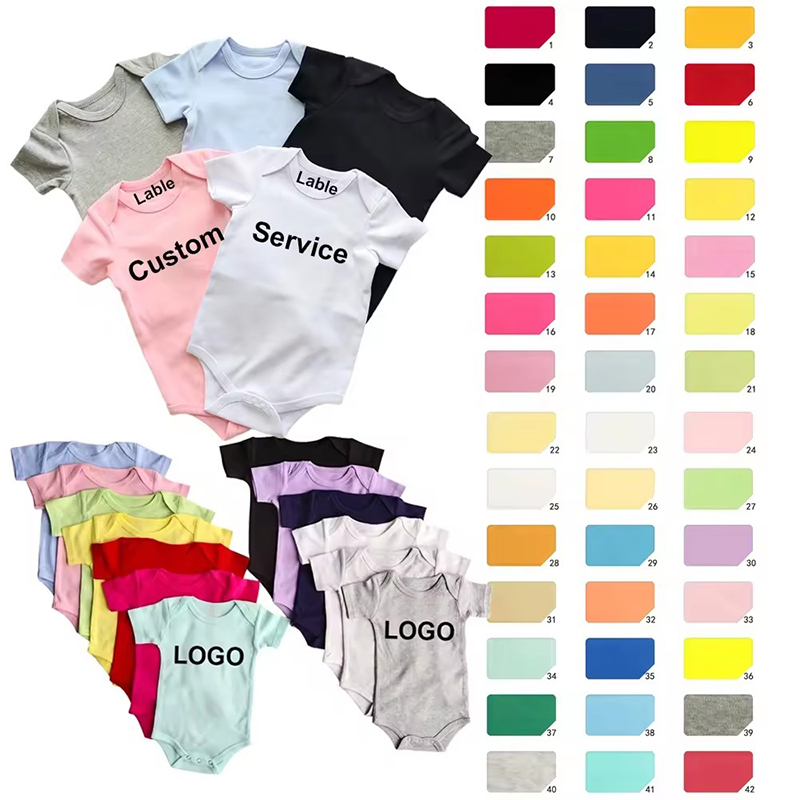


What Is a Padded Sleep Suit? Benefits, Uses & Future Trends
What Is a Padded Sleep Suit and Why It Matters Globally
Imagine a cold night, no heating, and a desperate need to stay warm and comfortable especially for the vulnerable—infants or elderly, for example. This is where the padded sleep suit steps in; a specialized garment designed for warmth, protection, and comfort during sleep.
Globally, as millions live in challenging climates or disrupted living conditions, knowing about padded sleep suits goes beyond just fashion or coziness. It’s tied closely to humanitarian aid, child care, cold-weather industries, and even sustainable clothing development. Understanding this garment’s key benefits—thermal insulation, durability, and ease of use—can influence care strategies worldwide.
Introduction: The Global Relevance of Padded Sleep Suits
According to the World Health Organization, over 1.6 billion people endure extreme cold or inadequate housing every year. While shelter and heating are top priorities, clothing like padded sleep suits plays a surprisingly critical role in maintaining body warmth. These suits are prominent in cold-climate countries but also in emergency relief zones where maintaining body temperature is a matter of survival.
Oddly enough, many relief organizations still struggle with providing effective thermal wear that balances cost, durability, and comfort. This challenge makes the padded sleep suit an essential item in global cold-weather management strategies, packing warmth without bulk, and allowing for easy hygiene.
Definition & Meaning of a Padded Sleep Suit
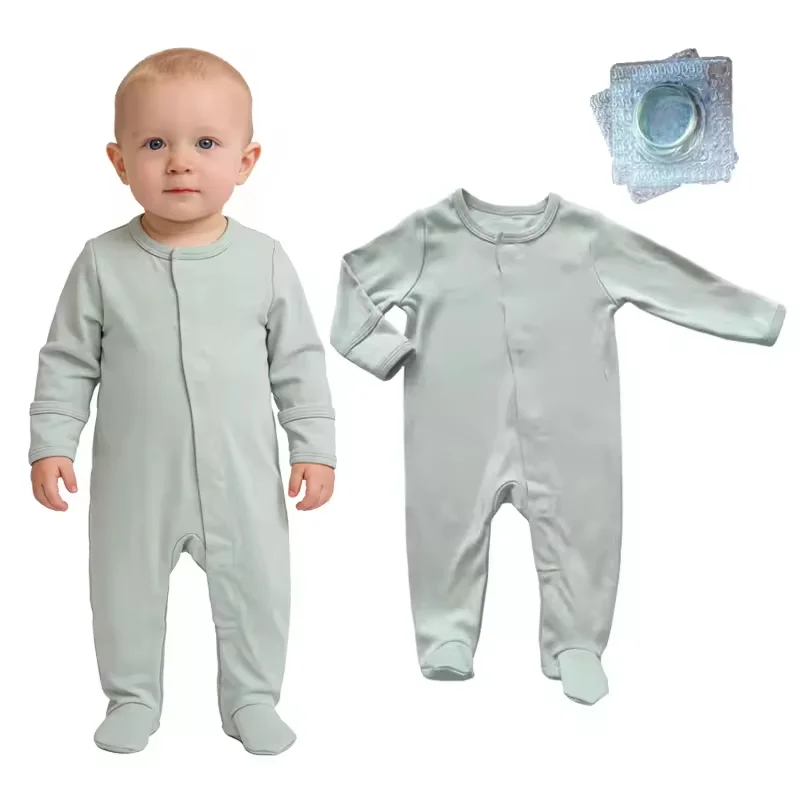
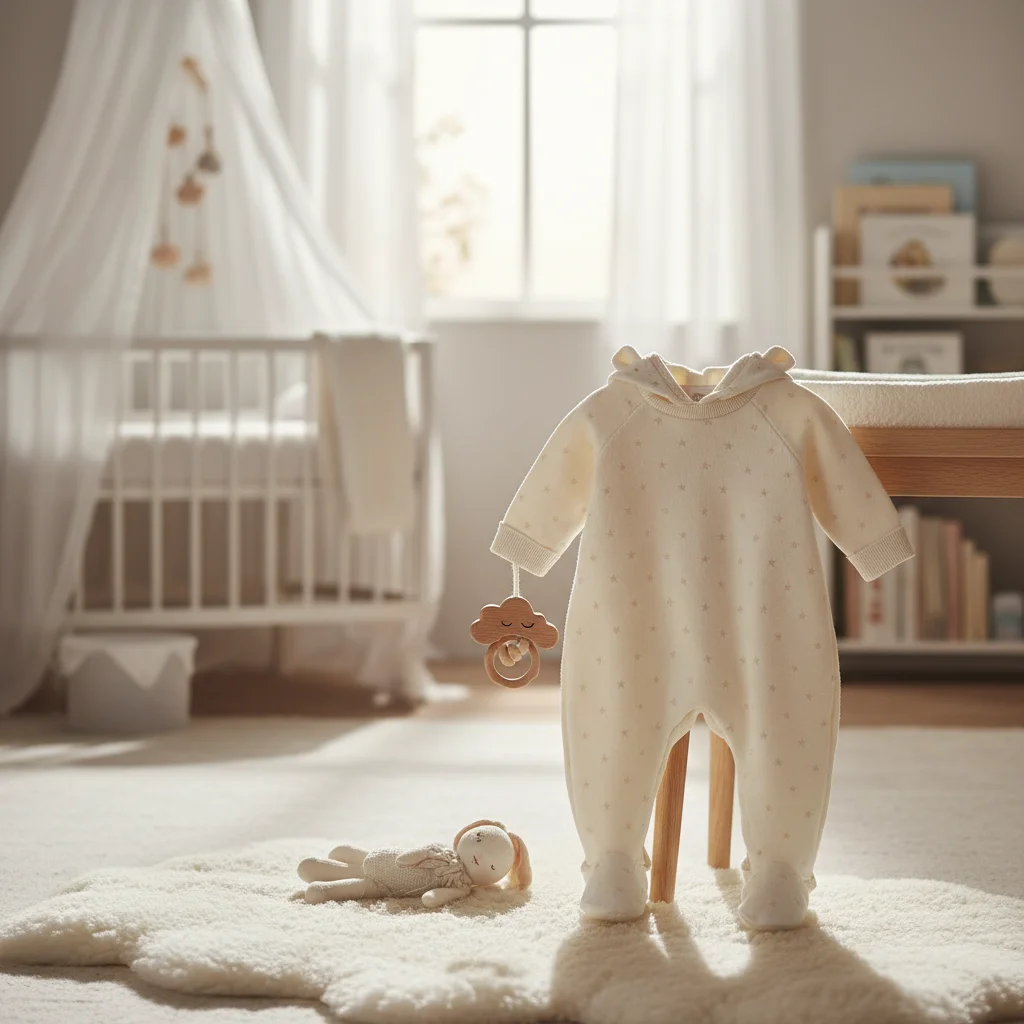
Simply put, a padded sleep suit is a garment designed primarily for sleeping, featuring insulated padding for heat retention. It’s usually made from soft, breathable fabrics layered with padding that traps warm air close to the body. Traditionally, these suits are for babies, but modern versions serve many needs—from adults in industrial cold zones to outdoor adventurers and those receiving disaster relief.
These sleep suits connect directly with modern industry needs, especially sectors that require workers to rest adequately in cold environments, and humanitarian efforts focusing on child and elderly care. The padding material, often polyester or natural down alternatives, also ties into sustainability and fabric technology trends.
Key Components of a High-Quality Padded Sleep Suit
1. Insulation Material
At the heart of any padded sleep suit is its insulation. Most use synthetic microfibers for warmth and lightweight feel, but some higher-end models use ethically sourced down or modern bio-based alternatives. The choice affects warmth capacity, breathability, and hypoallergenic properties.
2. Fabric Breathability and Softness
Given its use during sleep, breathability is vital to avoid overheating or moisture buildup. Soft cotton blends or bamboo fabrics are popular for inner layers to ensure comfort directly on the skin.
3. Durability and Washability
Frequent washing is inevitable, especially for children or relief settings. So, durable materials that retain padding integrity after washes are crucial to product longevity.
4. Safety Features and Fit
This relates to snugness without restricting movement, flame resistance, and absence of choking hazards like loose strings or buttons. Many manufacturers now comply with strict ISO safety standards for children’s nightwear.
5. Thermal Efficiency
How well the suit retains heat relative to its thickness — this metric often guides which padded sleep suit suits specific climates or uses.
6. Sustainability
As environmental awareness grows, padding made from recycled or natural fibers and eco-friendly dyeing processes become more common in new-generation designs.
Mini Takeaway:
A padded sleep suit's core success lies in a delicate balance between insulation, comfort, safety, and eco-conscious design — crucial for both industrial use and humanitarian relief.
Global Applications & Use Cases of Padded Sleep Suits
The utility of padded sleep suits spans diverse sectors:
- Humanitarian Aid: Field workers distribute them in post-disaster zones to infants and elders, such as after floods in Southeast Asia or refugee camps in the Middle East.
- Cold-Climate Childcare: Northern countries like Canada and Sweden widely use these suits during long winters to ensure infant warmth.
- Industrial Restwear: Miners and oil rig workers often rely on padded sleep suits during breaks in freezing environments.
- Outdoor and Adventure Industries: Winter campers and explorers prefer their lightweight warmth and packability.
For instance, some NGOs integrate these suits in newborn care kits distributed across Mongolia’s cold steppes, where infant mortality due to hypothermia is a serious concern. Similarly, in remote industrial zones in Russia, these suits have reduced cold-related illnesses among night-shift workers.
Product Specifications for Typical Padded Sleep Suits
| Specification | Typical Value | Notes |
|---|---|---|
| Material | Polyester Microfiber Padding + Cotton Lining | Balances warmth and breathability |
| Weight | 300–450 grams | Varies by size and insulation thickness |
| Thermal Rating | EN 14058 Class 3 | Suitable down to -10°C ambient temperature |
| Wash Cycles | Up to 50 machine washes | Retains padding loft |
| Safety Standard | ISO 9241-5 compliance | Flame retardant and non-toxic |
Advantages & Long-Term Value of Padded Sleep Suits
Beyond immediate warmth, padded sleep suits offer a number of practical advantages:
- Cost-Effective: Durable and reusable, these garments reduce replacement frequency unlike disposable blankets or less robust clothing.
- Sustainability: Advances in recycled padding fibers lower environmental footprints, helping meet global garment industry sustainability goals.
- Social Impact: Protecting infants and vulnerable groups from hypothermia reinforces dignity and trust in aid programs.
- Reliability: Designed to maintain thermal properties even under harsh use conditions — a quiet but invaluable factor in emergency use.
For caregivers, it feels reassuring knowing that these sleep suits provide safe, comfortable protection throughout cold nights. And frankly, it’s interesting how a simple garment can bridge technology and humanitarian need so seamlessly.
Future Trends & Innovations in Padded Sleep Suit Design
The padding industry isn’t standing still. We’re seeing:
- Bio-based Insulation Materials: Materials such as algae-derived foams and mushroom mycelium are being tested as eco-friendly padding alternatives.
- Smart Textiles: Embedded sensors that monitor body temperature and moisture to prevent discomfort or hypothermia risks.
- Improved Recycling: Closed-loop textile recycling enables used padded suits to be reprocessed into new suits.
- Customization & Modular Design: Interchangeable parts (hoods, foot coverings) adapt to varying climates and ages.
This evolution is aided by growing regulations emphasizing climate-neutral products and humanitarian aid efficiency.
Challenges & Expert Solutions for Padded Sleep Suits
Some issues persist:
- Trade-off between insulation thickness and mobility — thicker padding restricts movement, thinner may sacrifice warmth.
- Cost pressures limit adoption in some developing regions.
- Washing and maintenance in resource-limited environments.
Experts recommend using layered thermal systems paired with padded suits, employing community education on garment care, and using innovations like antimicrobial padding to increase lifespan and hygiene.
Vendor Comparison of Leading Padded Sleep Suit Manufacturers
| Vendor | Insulation Type | Sustainability | Price Range (USD) | Certifications |
|---|---|---|---|---|
| ArcticWear Co. | Synthetic Microfiber | Recycled PET Fibers | 35–60 | ISO 9001, Oeko-Tex |
| EcoNest Textiles | Plant-based Foam | 100% Biodegradable Materials | 50–80 | GOTS, FSC Certified |
| SafeNest Industries | Synthetic Down Alternative | Low-Impact Dyeing | 40–70 | ISO 14001, SA8000 |
Frequently Asked Questions About Padded Sleep Suits
Q1: How do padded sleep suits differ from regular pajamas?
Unlike standard pajamas, padded sleep suits incorporate insulating layers specifically designed to retain body heat, important for cold climates or fragile users. Regular pajamas focus more on comfort and breathability but don’t provide significant thermal protection.
Q2: Can padded sleep suits be used for adults?
Absolutely. While traditionally geared toward infants, many manufacturers now produce adult versions, especially for outdoor workers, campers, and individuals in medically sensitive conditions who require stable warmth during sleep.
Q3: How should padded sleep suits be cleaned to maintain performance?
Most suits are machine washable, but mild detergents and cold water cycles are recommended to preserve the insulation material’s loft. Avoid high heat drying; instead, tumble dry low or air dry to prevent padding clumping.
Q4: Are padded sleep suits environmentally friendly?
Increasingly, yes. Many brands source recycled yarns and eco-friendly padding materials. Certifications like GOTS or Oeko-Tex can verify claims, which is essential for eco-conscious consumers and humanitarian programs aiming for sustainable aid.
Q5: Where can I buy reliable padded sleep suits for humanitarian projects?
Reputable manufacturers with proven certifications and positive user feedback are recommended. Visit trusted suppliers such as padded sleep suit vendors that cater specifically to humanitarian and industrial needs.
Conclusion: The Long-Term Benefit of Choosing Padded Sleep Suits
The padded sleep suit is a surprisingly nuanced—and essential—garment for addressing cold exposure in vulnerable populations and demanding work environments alike. Its design blends comfort, protective technology, and increasing sustainability, offering long-term value in global health and industrial safety.
For anyone involved in child care, humanitarian relief, or outdoor industry safety, investing in quality padded sleep suits isn’t just practical—it’s about ensuring warmth, dignity, and trust across varied challenging environments.
To explore comprehensive options and specifications, visit our website: https://www.factorypyjamas.com.
Final Reflection
I've noticed that such simple items, like padded sleep suits, often fly under the radar but can dramatically influence health outcomes. Their evolving design speaks to a quiet engineering revolution in textile science paired with real-world empathy. It’s a reminder that innovation can be warm and soft, not just high-tech.