

The Essential Guide to Zipper Footless Sleepers: Comfort, Safety, and Global Impact
Zipper Footless Sleepers: What They Are and Why They Matter Today
If you’ve ever shopped for baby or toddler clothing, you might’ve stumbled upon zipper footless sleepers and wondered, “Why the fuss?” Honestly, these might seem like simple garments, but their design and practicality speak volumes—not just in daily comfort, but globally too. They merge convenience with comfort, and understanding their role sheds light on modern textile innovations and care-centered design. For parents and caregivers worldwide, they’re a game changer for bedtime routines and infant safety.
Introduction: The Global Need for Practical Infant Wear
Zipper footless sleepers have found their place far beyond boutique shelves and online baby stores. According to the World Bank, with roughly 140 million births annually worldwide, infant sleepwear that ensures safety and ease of use is crucial on a grand scale. Common problems like diaper leaks or temperature regulation issues have pushed manufacturers to rethink traditional baby clothes—where snaps or buttons were once king, zippers offer faster dressing with fewer pinpricks or fumble risks.
Frankly, the real challenge lies in creating sleepwear that is safe — no loose parts — and functional enough for fast diaper changes. And so, zipper footless sleepers address this challenge elegantly, blending smart textile engineering with thoughtful design.
What Exactly Are Zipper Footless Sleepers?
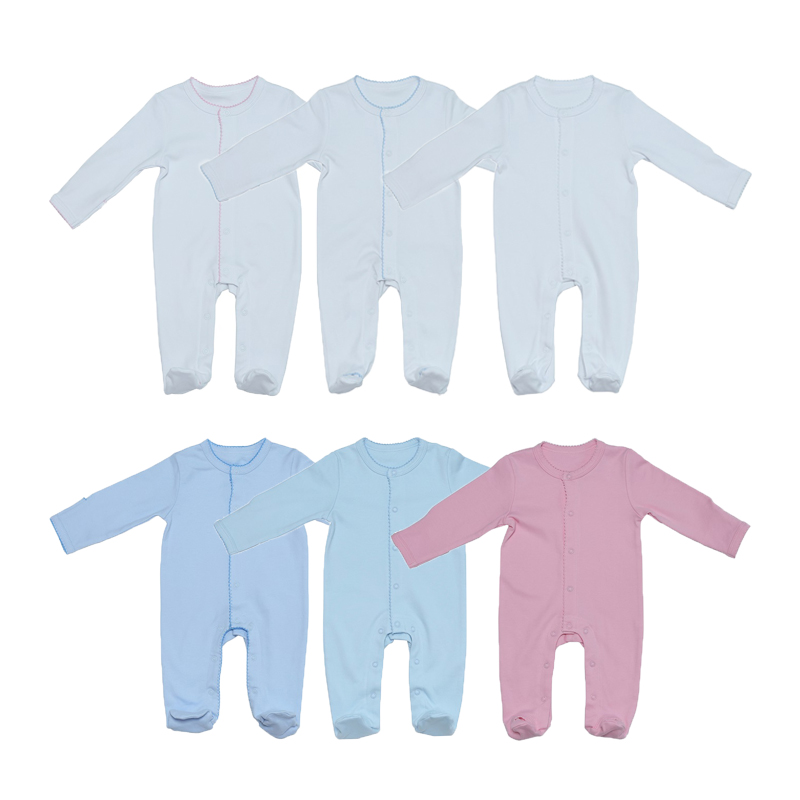
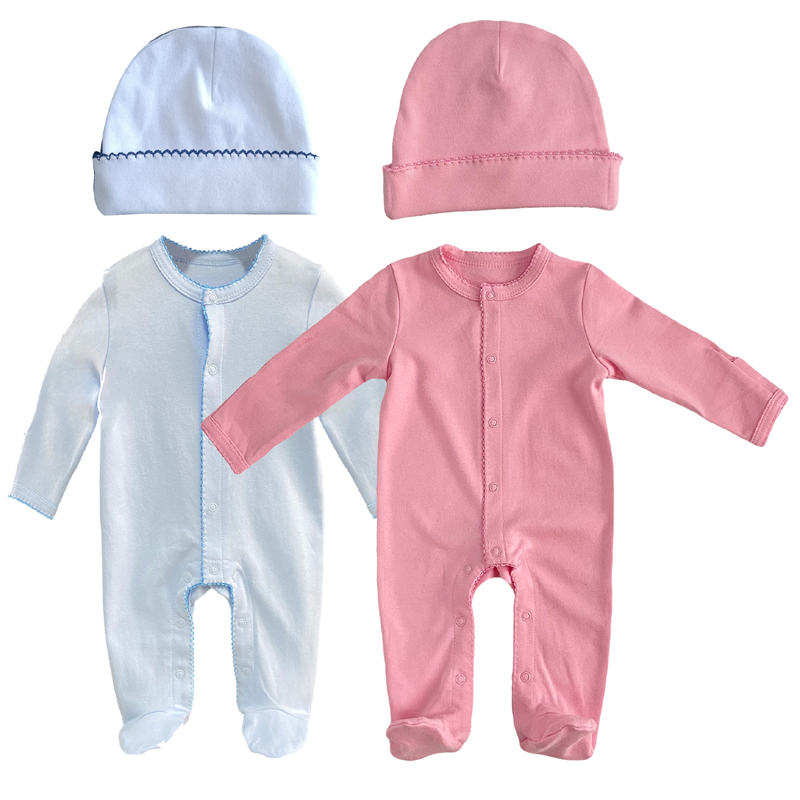
Simply put, zipper footless sleepers are one-piece garments for infants and toddlers. Instead of snaps or buttons, they utilize zippers running along the torso or legs, making dressing and changing faster and less stressful. “Footless” means the sleeper ends at the ankle; no enclosed feet, which helps with air flow and fits well with socks or booties.
In modern childcare, these sleepers connect closely to needs for quick access and temperature control. Their design is often favored by pediatric experts for reducing fussiness and accidents during nighttime diaper changes.
Key Factors That Make Zipper Footless Sleepers Stand Out
1. Durability
Parents will tell you: babies can be rough on clothes. Zipper footless sleepers are generally made from cotton blends, sometimes with spandex, to withstand multiple washes without stretching or fading. The zipper mechanisms themselves also have to be sturdy—think anti-corrosive metals or reinforced plastic sliders.
2. Comfort & Breathability
Often, sleepers consist of breathable fabrics designed to regulate body temperature. The absence of enclosed feet encourages airflow, reducing overheating, which studies show can lower the risk of sudden infant death syndrome (SIDS) — a critical safety factor.
3. Ease of Use
The hallmark of this design is the smooth zipper, often covered with a fabric flap or guard to protect baby skin. This feature makes nighttime diaper changes quicker, beneficial for exhausted parents yearning for sleep.
4. Safety
No loose buttons means fewer choking hazards. Additionally, zippers with protective guards prevent skin irritation or pinching. The snug fit but soft fabrics reduce the risk of tripping or wrinkling that could distress the baby.
5. Scalability in Manufacturing
From small boutique makers to mass manufacturers, these sleepers can be produced at scale thanks to standardized sizes and widely available zipper components—making them accessible around the world.
| Specification | Typical Feature | Benefit |
|---|---|---|
| Material | Cotton & Spandex Blend | Soft, stretchable, breathable |
| Closure type | Covered zipper | Quick changes, baby-skin safe |
| Foot style | Footless | Better airflow, fits socks easily |
| Sizes | Newborn to Toddler (up to 24 months) | Covers wide growth stages |
Global Applications and Use Cases for Zipper Footless Sleepers
It’s tempting to think that zipper footless sleepers only serve urban parents in developed countries, but oddly enough, their use spans continents.
- In post-disaster relief camps, providing sleepwear that is easier for volunteers to change quickly can improve infant care efficiency.
- In highly industrialized regions, busy parents value the time savings and reduced frustration these garments provide.
- Charities distributing infant essentials in developing countries increasingly include them, due to their durability and practicality.
Their blend of durability and ease means they're often part of newborn kits in UNICEF programs, proving their symbolic weight in child dignity initiatives beyond mere comfort.
Advantages and Long-Term Value
These sleepers save caregivers precious minutes and reduce sleep disruption. They feel like an unsung hero in parenting, offering reliability that translates into emotional calm. Safety-wise, the footless design balances warmth with less overheating risk, according to pediatric sleep experts like those cited on the American Academy of Pediatrics website.
From a sustainability angle, many brands now offer organic cotton versions or biodegradable packaging, subtly pushing the needle towards greener infant wear.
Looking Ahead: Future Trends & Innovations
Expect to see innovations such as:
- Smart fabrics that detect baby temperature fluctuations
- Eco-friendly closures from recycled materials replacing metal zippers
- Integration with wearable tech to monitor infant sleep without disrupting comfort
Automation in production lines is also making these accessible in markets that once struggled to scale textile products quickly.
Challenges and Clever Solutions
No product is perfect. Some challenges include:
- Zipper durability in repeated wash cycles—manufacturers combat this by using premium separation zippers and reinforced stitching.
- Cost concerns for organic or specialty versions, which companies are mitigating with tiered product lines.
- Sizing inconsistencies, often solved with standardization efforts and feedback loops from end-users.
FAQ: Common Questions About Zipper Footless Sleepers
- Q1: Why choose zipper closures over snaps or buttons for sleepers?
- A1: Zippers allow faster dressing and diaper changes, minimizing disturbance to infants. They reduce fumbling, which can be frustrating during nighttime changes. Safety-wise, zippers have fewer parts to come loose compared to snaps or buttons.
- Q2: Are footless sleepers suitable for all seasons?
- A2: Footless sleepers work well year-round when paired with socks in cooler months. They provide better ventilation during warmer seasons, which helps prevent overheating—a known risk factor for infant health issues.
- Q3: How long do zipper footless sleepers typically last through infancy?
- A3: Most sleepers cover sizes from newborn up to 24 months, but the exact lifespan depends on growth rates. Durable materials often allow preservation of multiple wears and washes over months.
- Q4: Are organic or sustainable zipper footless sleepers readily available?
- A4: Yes, many brands now offer sleepers made from organic cotton and using sustainable materials for zippers. This responds to growing consumer demand for eco-friendly baby products.
Conclusion: Why Zipper Footless Sleepers Are a Smart Choice for Modern Parents
In real terms, zipper footless sleepers are about more than just clothing — they symbolize a thoughtful approach to infant care blending science, safety, and comfort. Their global adoption reflects both their practicality and the rise of conscious consumerism.
Curious to explore the latest designs or build a nursery around reliable infant wear? Visit zipper footless sleepers for trusted options and insights tailored to today’s parent needs.
| Vendor | Price Range | Fabric Quality | Sustainability | Customer Ratings |
|---|---|---|---|---|
| ComfyBaby | $15 - $25 | Premium organic cotton | High (GOTS certified) | 4.7/5 |
| SoftNest | $10 - $18 | Cotton-spandex blend | Medium | 4.2/5 |
| EcoBaby Gear | $18 - $30 | Bamboo blend | Very High | 4.8/5 |
In short: zipper footless sleepers cleverly combine convenience, safety, and comfort—making them a staple for both parents and infants worldwide.