

Preemie Sleeping Bag: Essential Comfort and Safety for Premature Infants
Understanding the Preemie Sleeping Bag: A Crucial Comfort for Newborns
At first glance, a preemie sleeping bag might seem like just another baby accessory, but it plays an essential role in the delicate early days of premature infants. Globally, with the World Health Organization estimating that approximately 15 million babies are born prematurely each year, the demand for specialized neonatal care products like preemie sleeping bags isn’t just a niche concern—it’s a public health priority. Knowing what makes these sleeping bags special and why they matter can improve outcomes for these fragile babies worldwide.
Introduction: Global Context and Challenges
Prematurity remains a leading cause of infant mortality globally. According to UNICEF and the WHO, about 10% of all live births are preterm, contributing to significant healthcare costs and long-term developmental challenges. In many regions—especially low-resource settings—basic comforts that regulate temperature and provide safety are luxuries, not givens.
Enter the preemie sleeping bag: designed to address critical issues like thermal regulation, safe sleep positioning, and minimizing risks such as Sudden Infant Death Syndrome (SIDS). While hospitals in wealthier countries have advanced incubators and monitoring systems, many clinics across the world rely on simpler, cost-effective solutions that help stabilize vulnerable infants. Even here, ensuring that these bags meet safety and comfort standards is an ongoing challenge.
What Is a Preemie Sleeping Bag?
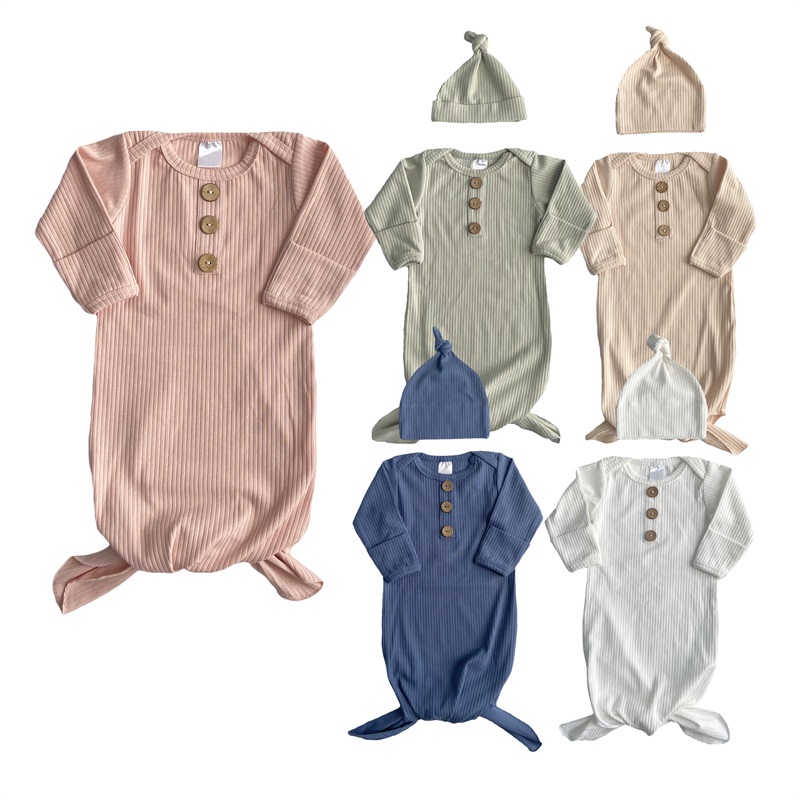
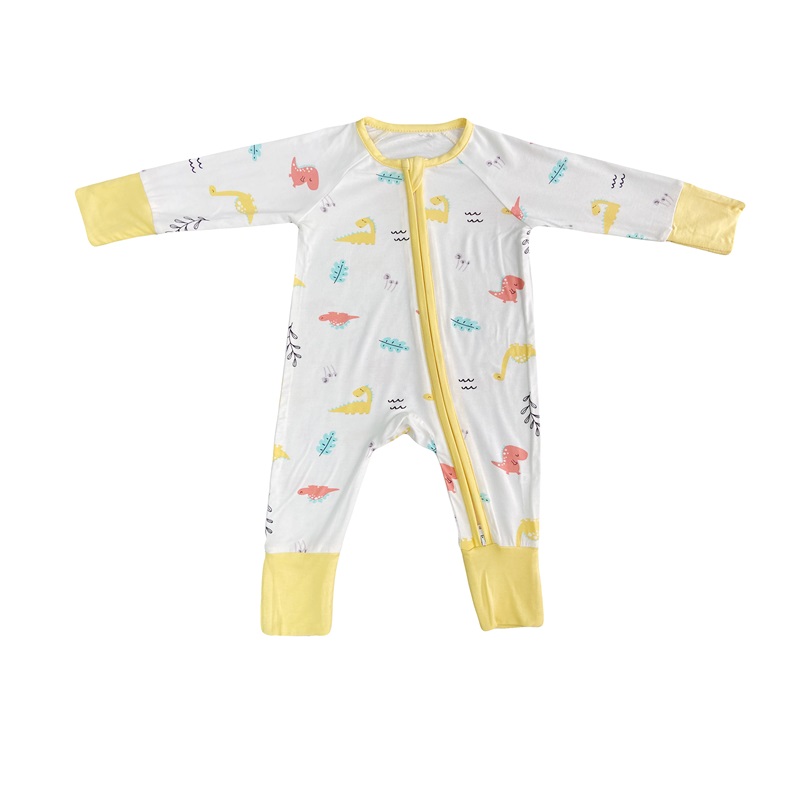
Simply put, a preemie sleeping bag is a wearable blanket tailored specifically for premature or very small newborns. Unlike traditional baby sleeping bags or swaddles, they are smaller, softer, and made from breathable, hypoallergenic fabrics that maintain body warmth without overheating.
These bags are often part of neonatal units’ battle against hypothermia—a common threat to premature babies who cannot yet regulate their own body temperature well. They also help caregivers avoid loose blankets in cribs, which are a known risk factor for SIDS.
Key Components of a Preemie Sleeping Bag
- Size and Fit: Designed for newborns weighing as little as 1.5 kg, they ensure snug comfort without restricting movement or breathing.
- Material Quality: Usually 100% cotton or bamboo fabrics that are soft, breathable, and designed to reduce irritation and moisture.
- Thermal Regulation: Ideal tog ratings (thermal resistance values) that balance warmth and breathability, preventing overheating or chilling.
- Safety Features: Thoughtfully designed neck and arm openings, zip or snap closures that stay secure without scratching the skin.
- Ease of Care: Machine washable materials—because good hygiene is critical in neonatal care.
These factors together determine whether a sleeping bag is practical for everyday hospital use and home care post-discharge.
Mini Takeaway
Preemie sleeping bags blend design and medical function, acting as an infant’s protective cocoon during a fragile stage of development.
Global Applications of Preemie Sleeping Bags
Across continents, from neonatal intensive care units (NICUs) in urban hospitals to rural clinics in South Asia, preemie sleeping bags are transforming infant care. For instance, in countries like India and Nigeria, where premature births can outpace access to incubators, these bags provide an affordable solution to keep babies warm. Humanitarian organizations often include them in newborn kits distributed in refugee camps or post-disaster zones.
Even in advanced healthcare systems in Europe or North America, families use preemie sleeping bags extensively when infants leave hospital care. Baby product manufacturers often collaborate with healthcare providers to ensure product standards meet strict ISO 80601-2-19 guidelines for neonatal monitors and accessories.
Preemie Sleeping Bag Specification Table
| Feature | Typical Range/Description |
|---|---|
| Weight Suitability | 1.5 kg to 3.5 kg (Preemie Sizes) |
| Material | 100% Cotton or Bamboo Fabric |
| Tog Rating | 0.5 – 1.0 (Lightweight for temperature control) |
| Closures | Zips (covered) or Snaps for Safety |
| Washability | Machine Washable, 40°C to 60°C |
Preemie Sleeping Bag Vendor Comparison
| Vendor | Material | Sizes Available | Price Range | Certifications |
|---|---|---|---|---|
| BabyNest Co. | Organic Cotton | Preemie, Newborn, 0–3 months | $25 – $40 | OEKO-TEX Standard 100 |
| TinyToes Gear | Bamboo Blend | Preemie, Newborn | $30 – $45 | ISO 9001 Certified |
| NeoNest Baby | Cotton/Polyester Mix | Preemie Only | $20 – $30 | FDA Registered |
Advantages and Long-Term Value
One thing that’s striking when you talk to NICU nurses or parents is how a well-designed preemie sleeping bag provides not just warmth, but peace of mind. They reduce the risk of loose blankets that can obstruct breathing; their thermal properties help babies maintain body heat without cumbersome layers, which might disturb monitors or IV lines.
Beyond physics, there's an emotional factor: these sleeping bags symbolize tender care and medical attention, reassuring parents during a vulnerable time. They also represent cost-efficiency in neonatal care. Compared to expensive incubators, they're a simple, effective tool that can be easily shipped worldwide and used in resource-limited settings—where, frankly, every dollar saved can mean a baby's life.
Future Trends and Innovations in Preemie Sleeping Bags
Looking ahead, manufacturers are exploring smart textiles—fabrics embedded with sensors that track temperature, humidity, or even heart rate. Imagine a sleeping bag that alerts nurses when a baby becomes too warm or cool... It’s still mostly in the experimental phase but poised to transform newborn care.
Sustainability is another major theme. Bamboo and organic cotton dominate, but research into biodegradable and antimicrobial fabrics might soon yield sleeping bags with a lighter environmental footprint and less infection risk. As digital health expands, integrated data from these “smart” sleeping bags could even feed into hospital monitoring systems.
Challenges and Solutions
Still, the field has its problems. Sizing can vary greatly between vendors, sometimes confusing families. Washing instructions differ, and misuse might reduce thermal efficiency or cause skin irritation. Moreover, in some developing countries, supply chain issues or cost barriers limit access.
Experts suggest standardized sizing charts, clear labeling, and affordable local manufacturing partnerships as promising solutions. Training caregivers and parents on usage and hygiene is also critical—products only work if people know how to use them properly.
FAQ: Common Questions about Preemie Sleeping Bags
- Q: What makes a preemie sleeping bag different from a regular baby sleeping bag?
A: Preemie sleeping bags cater to smaller sizes (starting around 1.5kg) with breathable, lightweight fabrics that provide precise temperature control. They're designed for fragile skin and to fit under medical equipment often used in NICUs. - Q: Can preemie sleeping bags prevent Sudden Infant Death Syndrome (SIDS)?
A: While no product guarantees prevention, preemie sleeping bags reduce risk factors by eliminating loose blankets in the crib—one of the known SIDS hazards—thereby promoting safer sleep environments. - Q: How often should I wash a preemie sleeping bag?
A: Frequent washing is advised—ideally after every 2-3 uses. Most bags are machine washable at 40-60°C to kill germs without damaging fabric integrity. Always follow manufacturer instructions. - Q: Are preemie sleeping bags suitable for all climates?
A: Generally, yes. Tog ratings help you pick a sleeping bag appropriate for your climate: lighter weights for warmer environments, heavier for cool settings. Layering options also help. - Q: Where can I buy safe, certified preemie sleeping bags?
A: Trusted vendors often have ISO or OEKO-TEX certifications. Hospitals sometimes provide them, and verified online stores specializing in newborn care usually stock reliable options.
Conclusion and Call to Action
In real terms, a preemie sleeping bag is more than just fabric and stitches—it’s a lifeline for many newborns, balancing practicality, safety, and emotional reassurance. As neonatal care evolves, so too will these essential items, possibly integrating technology and sustainability like never before.
If you want to explore safe, high-quality preemie sleeping bags for your hospital, clinic, or family, visit our website for expert advice and the latest products designed with fragile infants in mind.
Takeaway: Small things, like the right sleeping bag, can make a big difference in a tiny life’s first days.
- World Health Organization, Preterm Birth Fact Sheet, 2023
- ISO 80601-2-19:2023 Medical electrical equipment – Part 2-19: Particular requirements for basic safety and essential performance of infant incubators
- UNICEF Global Neonatal Health Statistics, 2024