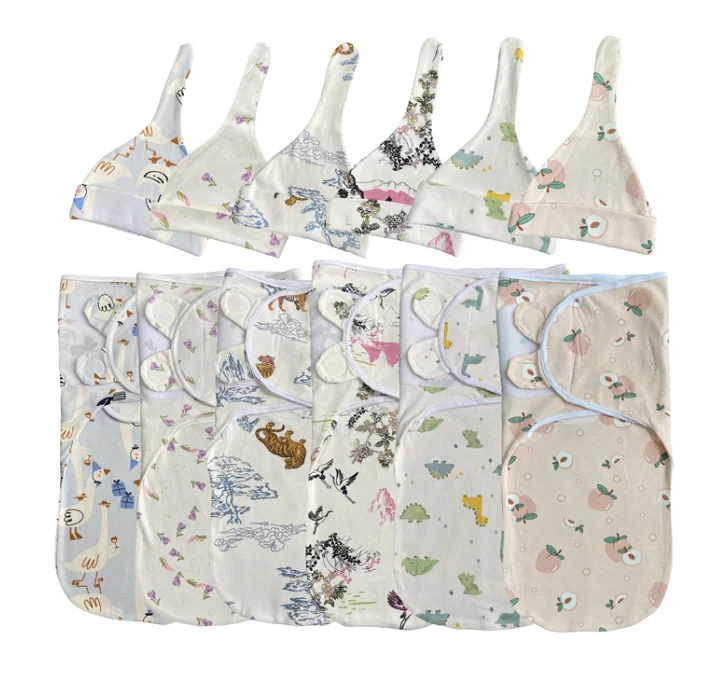


Newborn Sleepbag: Essential Safety and Comfort for Infants Worldwide
Newborn Sleepbag: The Global Comfort and Safety Solution for Baby Sleep
If you’re a parent or caregiver, you know how precious—and tricky—those first few months of a newborn's life can be. One item that’s quietly become a must-have globally is the newborn sleepbag. It’s more than just a fancy blanket; it’s a practical answer addressing safety, warmth, and ease of use, offering parents peace of mind, especially when traditional swaddling isn’t ideal. But the impact of newborn sleepbags goes beyond household nursery rooms—it’s a global phenomenon tied to childcare industries, health organizations, and even humanitarian aid initiatives.
Understanding why newborn sleepbags matter globally unlocks encouraging benefits like standardized safety, better sleep quality for infants, and simplified childcare practices. With infant sleep-related risks still being a concern worldwide, innovations like sleepbags are quietly shaping healthier outcomes. So, why this article now? Because newborn sleepbags are evolving with thoughtful design, textiles, and usage based on recent research and international safety standards.
1. Introduction: Why the Newborn Sleepbag Is a Global Necessity
Worldwide, infant care and safe sleeping environments are priorities reflected in policies by bodies such as the World Health Organization (WHO) and UNICEF. According to the WHO, approximately 2.4 million infants died in their first month of life in 2020 alone, many linked to unsafe sleep conditions (1). While a sleepbag might seem small in counteracting such statistics, it’s a scalable, easy-to-adopt solution that reduces risks associated with loose bedding or improper swaddling.
In places ranging from developed countries to fragile zones affected by displacement, newborn sleepbags are promoted to ensure infants don’t overheat or suffer from suffocation hazards. A newborn sleepbag, in essence, addresses a universal safety problem, making it globally relevant—and surprisingly impactful.
2. What Is a Newborn Sleepbag?
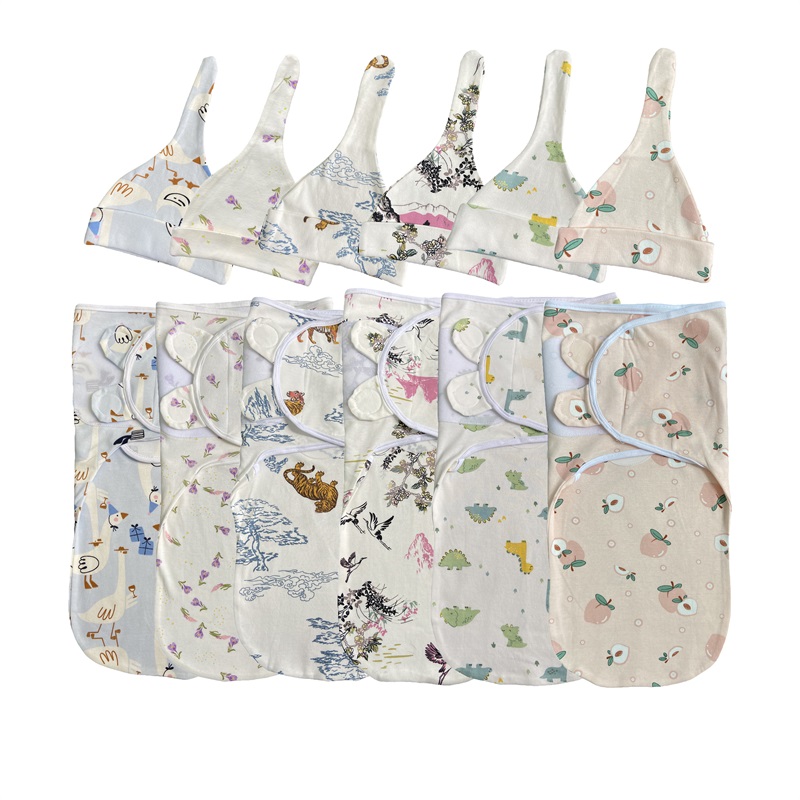
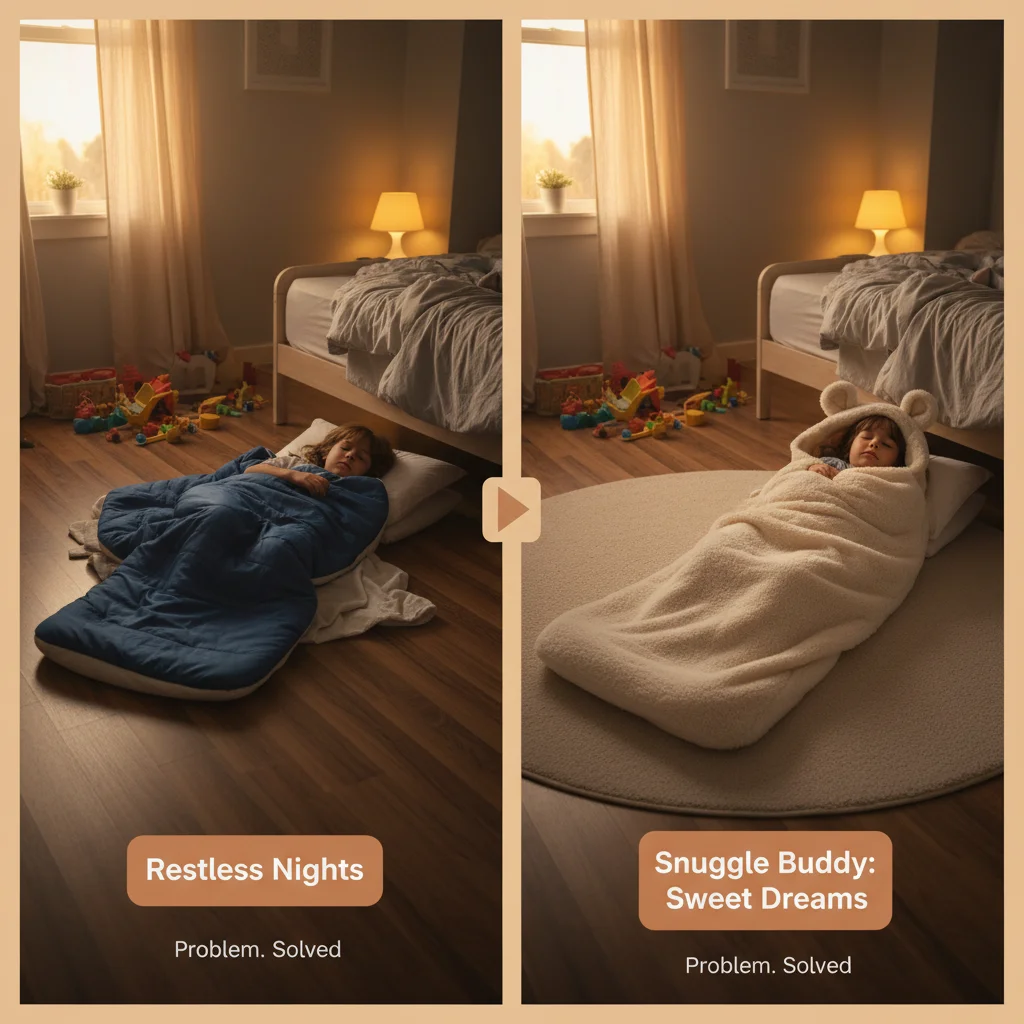
Put simply, a newborn sleepbag is a wearable blanket designed to keep babies warm without the risks that come with loose bedding in cribs or bassinets. It often features a sack-like shape, usually sleeveless or with short sleeves, made of breathable fabric. Babies slip into it, offering warmth and comfort while keeping hands free to move naturally. Beyond just warmth, it encourages safer sleep postures and reduces overheating by controlling insulation.
This product is a clever intersection of textile innovation and infant safety trends. It has grown from traditional swaddling techniques refined by pediatric research and modern childcare philosophies aligned with the “Back to Sleep” recommendation to place babies on their backs to sleep.
3. Key Factors to Consider in Newborn Sleepbags
Material & Breathability
Most newborn sleepbags are made from cotton or natural fibers that offer breathability and softness. There are also blends with organic materials that appeal to eco-conscious consumers. Breathability reduces the risk of overheating, a critical factor considering Sudden Infant Death Syndrome (SIDS) research.
Temperature Adaptability
Sleepbags come in various tog ratings (a unit measuring thermal insulation), typically ranging from 0.5 tog (for summer) to 3.5 tog (for winter). This allows parents to choose according to ambient temperature, maintaining infant comfort and safety.
Comfort & Ease of Use
Features like zippers that open from bottom to top or side snaps provide easy diaper changing while minimizing disturbance. Adjustable neck and arm openings ensure snug but comfortable fits.
Safety Certifications
Certified newborn sleepbags meet standards like the UK’s BS8510 or similar ISO guidelines, ensuring rigorous testing for materials, flammability, and choking hazards—important for trust in mass markets.
Durability & Washability
Given the frequency of laundering required, newborn sleepbags should retain shape and softness after repeated washes. Durable fabrics ensure longevity, which is especially vital in low-resource settings.
| Feature | Standard Range | Notes |
|---|---|---|
| Material | 100% Cotton; Organic variants | Breathable and soft |
| Tog Rating | 0.5 to 3.5 | Seasonal adjustment |
| Sizes | Newborn to 12 months | Growth accommodated |
| Care | Machine washable | Easy maintenance |
| Safety | Certified to national/ISO standards | Fire retardant & non-toxic |
Mini takeaway: A newborn sleepbag’s material, thermal rating, and design features create a safety and comfort package that’s both practical and essential worldwide.
4. Real-World Use Cases & Global Applications
In everyday settings across Europe, North America, and Asia, families embrace newborn sleepbags to adhere to pediatric safety advice. Hospitals often provide them to parents before discharge, fostering early adoption. More notably, humanitarian organizations like UNICEF distribute sleepbags in refugee camps or post-disaster shelters to protect vulnerable babies from cold and unsafe sleep environments.
For example, in colder regions of Eastern Europe, sleepbags prevent hypothermia risk in emergency transitional housing. In tropical but under-resourced remote communities, breathable sleepbags reduce overheating despite limited climate control tools. Oddly enough, this simple garment fills a unique void in diverse contexts—industry, healthcare, and humanitarian aid alike.
5. Benefits & Long-Term Value of Using Newborn Sleepbags
- Safety: Reduces risks linked to loose bedding, a significant cause of SIDS.
- Cost-Effectiveness: Durable and washable, newborn sleepbags last, proving economical for families and organizations.
- Emotional Comfort: Parents gain reassurance, which positively impacts infant care and bonding.
- Sustainability: Organic and eco-friendly materials reduce environmental footprint.
- Scalability: Can be distributed at scale in global health and relief programs.
6. Emerging Trends in Newborn Sleepbag Design and Production
Recently, innovations are gravitating towards smart textiles with temperature regulation properties and moisture-wicking capabilities. Some manufacturers explore incorporating antimicrobial fabrics, addressing hygiene concerns in hospitals and community health centers.
The use of recycled and organic fibers is on the rise, matching increasing ethical consumer demands. Automation and digital printing technologies assist in creating customizable patterns with safer dyes. Plus, digital supply chains enable streamlined distribution to remote areas, which is frankly exciting, given how this product’s reach is expanding.
7. Challenges and How the Industry Is Responding
Not all newborn sleepbags meet the same safety or comfort levels. Variability in production standards can confuse caregivers—sometimes leading to misuse. Additionally, in some lower-income regions, affordability remains a barrier despite clear benefits.
Experts suggest better awareness campaigns, improved international standard harmonization, and partnerships between NGOs and manufacturers to create low-cost, high-quality sleepbags. Also, user-centered design adjustments that accommodate local customs and climates are crucial.
| Brand | Material | Price Range | Safety Certification | Notable Feature |
|---|---|---|---|---|
| CozyNest | Organic Cotton | $30–$45 | BS8510 Certified | Temperature regulating |
| SnuggleSafe | Cotton Blend | $20–$35 | ISO 9001 Compliant | Antimicrobial finish |
| BabySafe | Bamboo Fabric | $40–$55 | OEKO-TEX Certified | Eco-friendly & soft |
8. FAQ: Common Questions About Newborn Sleepbags
Q1: How does a newborn sleepbag differ from a traditional swaddle?
A newborn sleepbag is a wearable blanket that allows arm movement and uses secure openings to avoid loose bedding. In contrast, swaddling tightly wraps a baby’s arms, which can restrict movement if not done correctly and potentially increase SIDS risk. Sleepbags promote safer, less restrictive sleep environments.
Q2: What tog rating is recommended for newborn sleepbags during winter?
For colder months, a 2.5 tog to 3.5 tog rating is generally recommended to keep babies comfortably warm. However, always consider room temperature and dress your newborn appropriately underneath the sleepbag to avoid overheating.
Q3: Can newborn sleepbags be used in cribs with other blankets?
Best practices advise against using additional loose blankets when your baby sleeps in a sleepbag. The sleepbag itself provides sufficient warmth, minimizing suffocation risks posed by loose bedding.
Q4: How should newborn sleepbags be washed to maintain safety features?
Wash sleepbags in cold or warm water on gentle cycles, using mild detergents. Avoid fabric softeners, which can reduce fabric breathability and potentially affect flame resistance of treated materials.
9. Conclusion
It’s clear that the newborn sleepbag is more than a baby accessory—it’s a product integrating safety science, comfort innovation, and practical design that addresses universal infant sleep needs. It reduces risks, supports caregivers, and fits a variety of climates and contexts worldwide. Whether you’re a parent, health professional, or NGO distributor, investing in quality newborn sleepbags yields long-term benefits for families and communities.
If you want to explore trusted products or learn more about safe infant sleep solutions, feel free to visit our site at newborn sleepbag.
Final thought: It’s fascinating how such a simple garment can weave together threads of safety, comfort, and global health.