

Choose the Best Swaddle and Sleeping Bag for Baby Sleep Safety
Swaddle and Sleeping Bag: Ensuring a Peaceful Sleep for Your Baby
Welcoming a newborn into the home brings immense joy, but it also brings the challenge of establishing a healthy sleep routine. Two of the most essential tools for any parent are the swaddle and sleeping bag, each serving a distinct purpose in your baby's growth. While swaddling mimics the snug feeling of the womb to soothe newborns, sleeping bags provide a safe, warm environment as babies become more active. Understanding when to transition from one to the other is key to maintaining safety and improving sleep quality for both the infant and the parents. In this guide, we will explore the nuances of these sleep essentials to help you make the best choice for your little one.
The Magic of Swaddling for Newborns
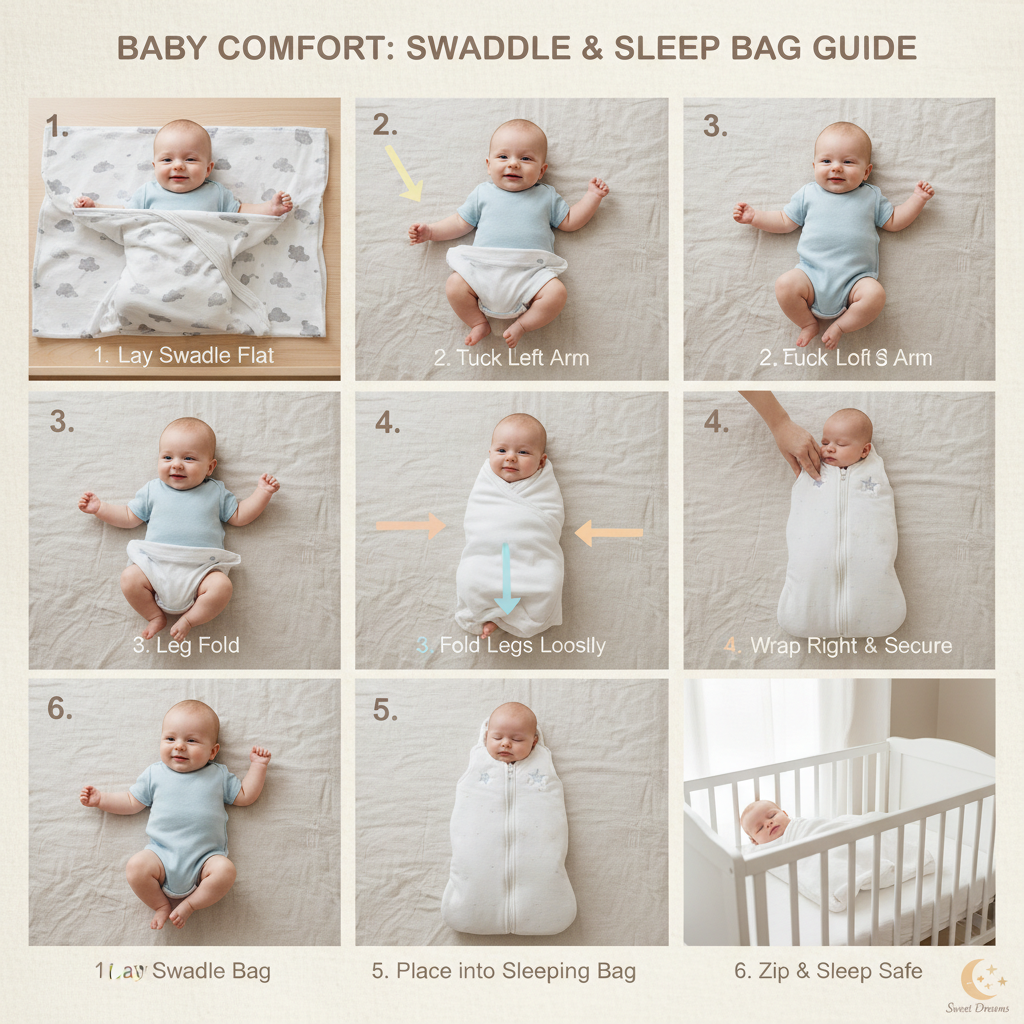
Swaddling is the ancient practice of wrapping a baby snugly in a blanket, which helps reduce the Moro reflex (the startle reflex) that often wakes babies up abruptly. By restricting sudden arm movements, a high-quality swaddle and sleeping bag combination ensures the baby feels secure and contained. This sense of security often leads to longer stretches of deep sleep. However, it is crucial to ensure the wrap is not too tight around the hips to prevent hip dysplasia, emphasizing the need for ergonomically designed swaddles that prioritize both comfort and orthopedic health.
Expert Tip: Always swaddle your baby with their arms tucked in but leave plenty of room for their legs to bend and move naturally to ensure healthy joint development.
Transitioning to a Baby Sleeping Bag
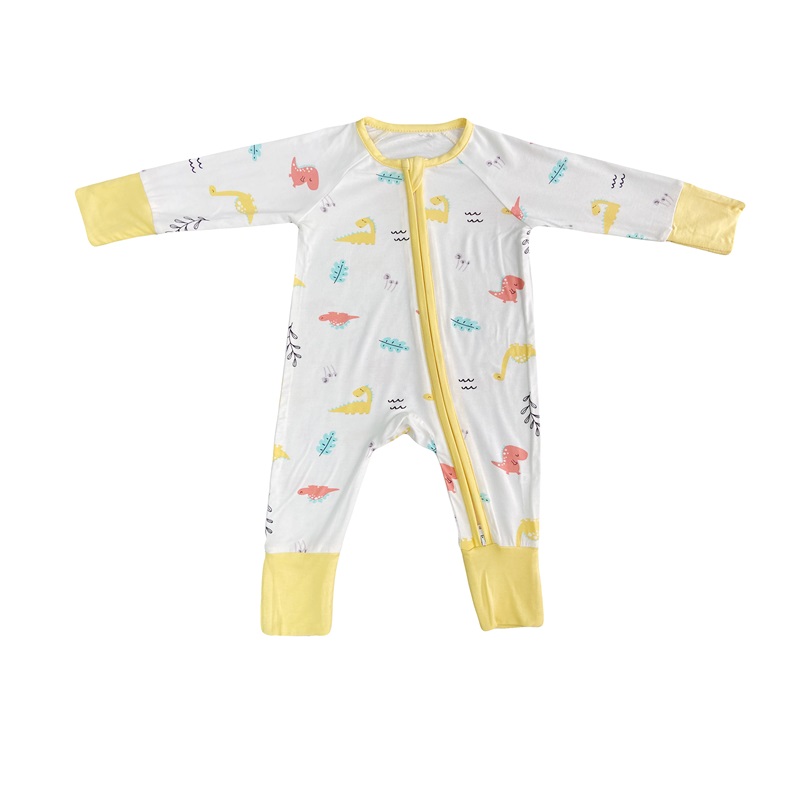
As your baby grows, their needs change. Once a baby begins to show signs of rolling over—typically around 2 to 4 months—it is time to move away from restrictive swaddles and introduce a wearable swaddle and sleeping bag. Sleeping bags are essentially "wearable blankets" that eliminate the risk of loose bedding covering a baby's face, which is a critical safety standard for SIDS prevention. These bags allow babies to move their arms and legs freely while keeping their core temperature stable throughout the night, making them an ideal choice for the intermediate stage of infancy.
Comparing Swaddle vs. Sleeping Bag
Choosing between a swaddle and a sleeping bag depends primarily on the baby's age and developmental milestones. While the swaddle focuses on calming and containment, the sleeping bag focuses on warmth and safety. To help parents visualize the differences, we have compiled a comparison based on common usage patterns and safety requirements. Using a specialized swaddle and sleeping bag can streamline this transition if you choose versatile products that evolve with your child.
Material Selection for Your Swaddle and Sleeping Bag
The fabric you choose is just as important as the design. Since babies have highly sensitive skin and struggle to regulate their body temperature, breathable materials are non-negotiable. Organic cotton, bamboo viscose, and muslin are the top choices for a swaddle and sleeping bag. These fabrics allow air to circulate, preventing overheating—which is a known risk factor for SIDS. When selecting a product, look for OEKO-TEX certified fabrics to ensure no harmful chemicals touch your baby's skin.
Technical Specifications: Choosing the Right TOG Rating
If you have ever shopped for a swaddle and sleeping bag, you have likely seen the term "TOG." TOG stands for Thermal Overall Grade, which measures the warmth of a fabric. Choosing the wrong TOG can lead to your baby being too cold or dangerously overheated. A lower TOG is better for summer, while a higher TOG is designed for winter. Below is a specification table to help you match the TOG rating to your room temperature.
Best Practices for a Safe Sleep Environment
Beyond choosing the right swaddle and sleeping bag, the overall sleep environment is critical. Experts recommend a firm, flat sleep surface free of pillows, plush toys, and loose blankets. When using a sleeping bag, ensure it is the correct size for your baby so they cannot slide down inside the bag, which could pose a suffocation risk. Additionally, always place your baby on their back to sleep, regardless of whether they are swaddled or in a sleeping bag. Monitoring the baby's chest for overheating (feeling hot to the touch) is the best way to ensure the TOG rating is appropriate.
Conclusion: Prioritizing Safety and Comfort
Investing in a high-quality swaddle and sleeping bag is an investment in your baby's health and your own peace of mind. By starting with a soothing swaddle and transitioning to a safe, breathable sleeping bag as your baby develops, you provide the optimal environment for growth and rest. Remember to always prioritize breathable materials, correct TOG ratings, and safety guidelines to ensure every night is a restful one for your little one.
Frequently Asked Questions (FAQs)
When exactly should I stop swaddling my baby?
You should stop swaddling as soon as your baby shows signs of attempting to roll over. This usually happens between 2 and 4 months of age. Once a baby can roll, having their arms restricted by a swaddle can be dangerous, as they may not be able to push themselves up or move their head if they roll onto their stomach. This is the perfect time to transition to a swaddle and sleeping bag that allows for free arm movement while still providing the warmth and security they need.
Can I use a sleeping bag and a blanket together?
No, it is strongly recommended that you do not use loose blankets inside or over a sleeping bag. The purpose of a wearable sleeping bag is to replace loose bedding, which can accidentally move over a baby's face and cause suffocation. If your baby seems cold, instead of adding a blanket, you should either choose a higher TOG rating for the sleeping bag or add a layer of cotton clothing underneath the bag. Always follow the "safe sleep" guidelines provided by pediatric health organizations.
How do I know if my baby is overheating in their sleeping bag?
The best way to check your baby's temperature is to feel their chest or the back of their neck. Their hands and feet often feel cool to the touch, which is normal and not a reliable indicator of core temperature. If the chest or neck feels hot, clammy, or sweaty, your baby is likely overheating. In this case, you should remove a layer of clothing or switch to a lower TOG swaddle and sleeping bag to prevent heat-related risks.
What is the difference between a sleep sack and a sleeping bag?
In the context of baby gear, "sleep sack" and "sleeping bag" are often used interchangeably. Both refer to wearable blankets that zip up to keep the baby warm without the need for loose covers. However, some brands use "sack" for lighter, summer-weight options and "bag" for heavier, winter-weight versions. Regardless of the name, the key is to check the TOG rating and the material to ensure it matches your environment and your baby's needs.
Previous
This is the first article