Shijiazhuang Kuer Clothing Co., Ltd.
0%

Table of Contents

Selecting the right newborn body suits is one of the most critical decisions for new parents, as a baby's skin is significantly thinner and more permeable than an adult's. These essential garments serve as the first line of defense against environmental irritants while providing the warmth and security needed for a newborn's fragile thermoregulation system.

In the global textile market, the demand for high-quality infant wear has shifted toward a balance of medical-grade safety and ergonomic design. Modern newborn body suits are no longer just basic clothing; they are engineered tools that facilitate easier diaper changes, promote healthy hip development, and reduce the risk of contact dermatitis through the use of hypoallergenic fibers.

Understanding the intricacies of fabric weight, closure mechanisms, and certification standards ensures that these garments provide long-term value. By focusing on breathability and soft-touch finishes, manufacturers can create products that not only protect the infant but also alleviate the stress of early parenthood through functional, durable design.
newborn body suits

Global Industry Standards for Newborn Body Suits
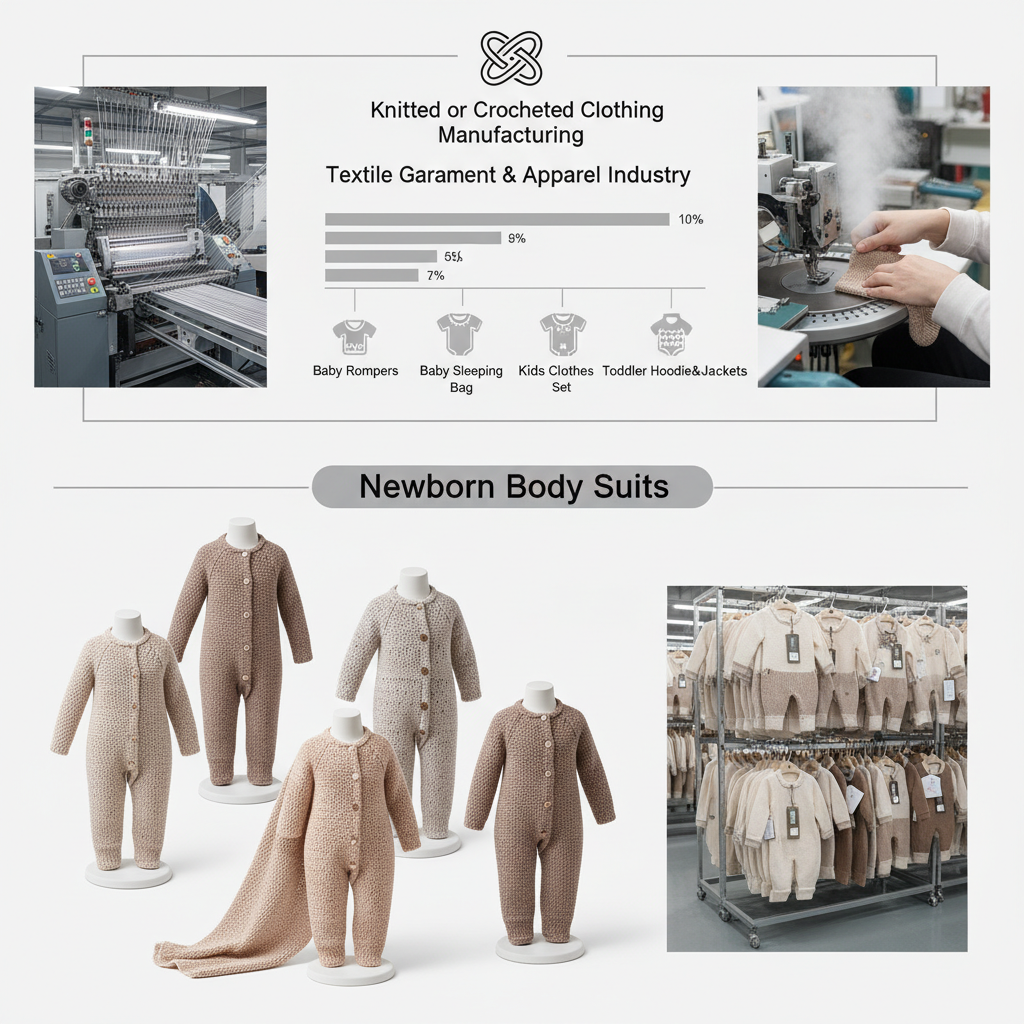
newborn body suits

The production of newborn body suits is governed by rigorous international safety standards, such as ISO and OEKO-TEX, to ensure that no harmful chemicals or dyes come into contact with an infant's skin. These regulations focus on the elimination of formaldehyde and heavy metals, which could otherwise trigger allergic reactions or long-term health issues in developing neonates.

Beyond chemical safety, mechanical standards are equally vital. This includes strict guidelines on the "pull-strength" of snaps and buttons to prevent choking hazards, as well as the prohibition of loose threads that could wrap around a baby's fingers or toes. Adhering to these global benchmarks allows manufacturers to maintain trust across diverse international markets.

Essential Material Composition and Skin Safety

The choice of fiber is the cornerstone of any high-quality newborn body suits line. Organic cotton remains the gold standard due to its natural breathability and hypoallergenic properties, allowing the skin to breathe while absorbing moisture effectively. This prevents the buildup of humidity against the skin, which is a primary cause of diaper rash and heat spots.

Bamboo viscose has emerged as a powerful alternative, offering natural antibacterial properties and a silk-like softness that is particularly beneficial for babies with eczema or extremely sensitive skin. The moisture-wicking capabilities of bamboo ensure that the infant remains dry and comfortable regardless of the external temperature, making it a versatile choice for year-round wear.

For colder climates, blends incorporating a small percentage of elastane or high-grade merino wool are utilized to provide necessary stretch and thermal insulation. The key is ensuring that the weave remains loose enough to avoid overheating, as newborns cannot regulate their body temperature as efficiently as adults, making the "breathability index" a critical technical parameter.

Ergonomic Design Features for Infant Comfort

True functionality in newborn body suits is found in the details of the construction. Wrap-around closures, often secured with nickel-free snaps, are preferred over overhead entries to avoid disturbing the baby's head and face during dressing, which significantly reduces infant stress during the transition from sleep to wakefulness.

An essential ergonomic consideration is the "diaper access" zone. High-end newborn body suits feature extended snap plackets that allow for quick diaper changes without requiring the full removal of the garment, thereby maintaining the infant's core body temperature and minimizing exposure to cold drafts.

Furthermore, the integration of "envelope shoulders" allows parents to pull the suit downward over the hips in the event of a messy diaper blow-out, rather than pulling it over the head. This practical innovation demonstrates how user-centric design in the textile industry directly solves the daily challenges faced by caregivers.

Performance Metrics of Different Fabric Blends

When analyzing the effectiveness of newborn body suits, we look at a combination of softness, durability, and thermal regulation. Each fabric blend offers a different performance profile, and choosing the right one depends on the specific environment and the baby's skin sensitivity.

The following data represents the comparative performance of the most common materials used in the industry, evaluated on a scale of 1 to 10 based on expert textile testing.

Fabric Performance Comparison for Newborn Body Suits

Global Applications and Market Adaptations

The application of newborn body suits varies significantly by region. In Nordic countries, there is a heavy emphasis on thermal layering and the use of merino blends to combat extreme cold. Conversely, in Southeast Asian markets, the focus shifts toward ultra-lightweight, high-breathability fabrics that can prevent heat rash in humid tropical climates.

Furthermore, in medical contexts, such as Neonatal Intensive Care Units (NICUs), specialized body suits are designed with "soft-seam" technology to avoid irritating the skin of premature infants. These garments are often designed to allow easy access for medical tubing and monitoring equipment without compromising the baby's warmth or security.

Sustainability and Ethical Manufacturing

The infant wear industry is currently undergoing a "green revolution." Many brands are moving away from conventional cotton, which requires intensive pesticide use, toward GOTS-certified organic cotton for their newborn body suits. This not only protects the planet but also removes toxic residues from the garments that babies often chew on.

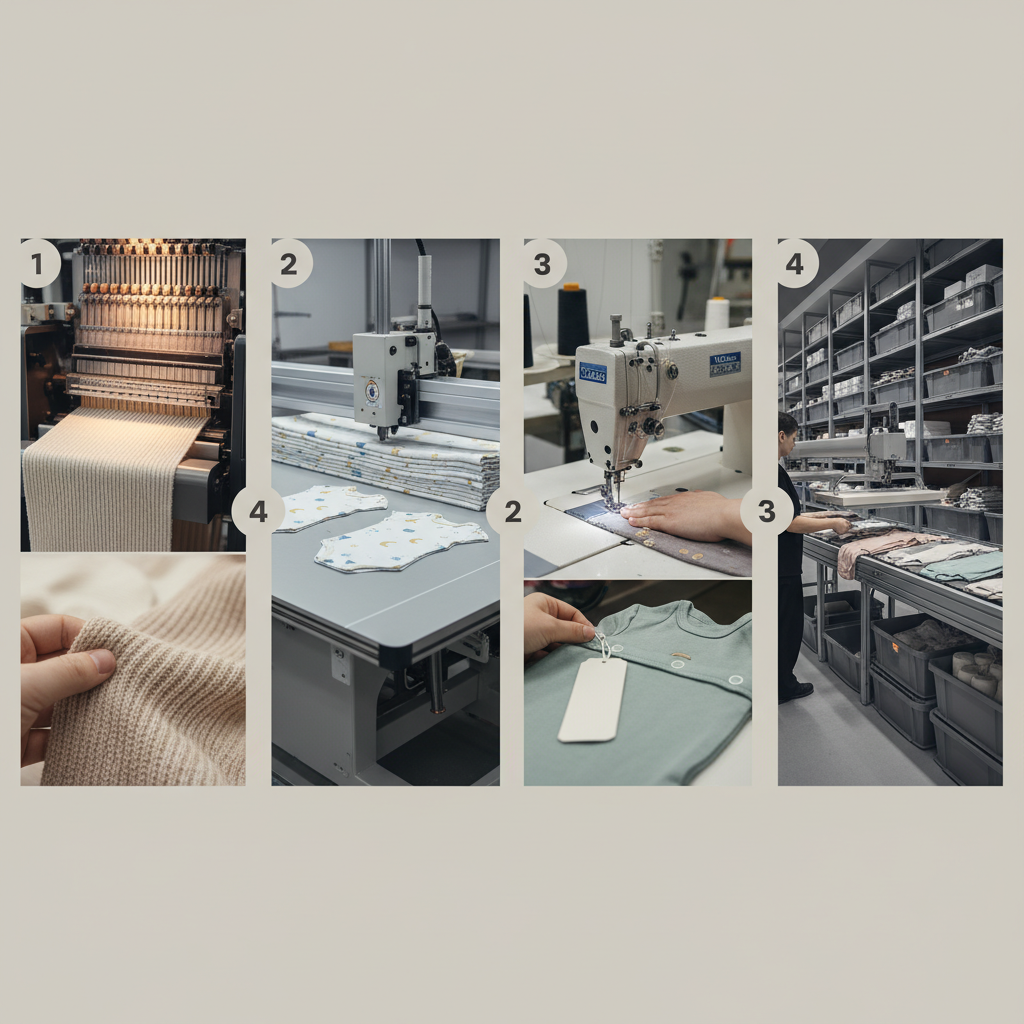
Ethical manufacturing is equally critical. Ensuring fair wages and safe working conditions in the knitting and sewing factories is now a primary demand from modern consumers. Transparency in the supply chain—from the cotton field to the final stitch—is becoming a competitive advantage for manufacturers.

Circular economy initiatives are also gaining traction, with some companies implementing "take-back" programs. Since newborns grow out of their clothes rapidly, these programs allow parents to return used suits for recycling or donation, reducing the textile waste that typically plagues the fast-fashion sector.

Future Innovations in Smart Infant Wear

The next frontier for newborn body suits is the integration of "smart" textiles. Researchers are developing fabrics embedded with non-invasive biosensors that can monitor a baby's heart rate, respiratory patterns, and body temperature in real-time, sending alerts to a parent's smartphone to help prevent SIDS (Sudden Infant Death Syndrome).

Another innovation is the development of "growth-adaptive" fabrics. Using advanced knitting techniques, some manufacturers are creating suits that can expand significantly more than traditional fabrics, effectively extending the usable life of the garment from a few weeks to several months, thus providing immense value to the consumer.

Digital transformation in manufacturing, such as 3D knitting, is also reducing waste by creating seamless garments. This not only eliminates the irritating seams that can chafe a newborn's skin but also streamlines production, allowing for faster customization and a smaller carbon footprint.

Comparative Analysis of Future Textile Technologies for Newborn Body Suits

Technology Type Primary Benefit Implementation Complexity Estimated Market Impact
Smart Biosensors Health Monitoring High Revolutionary
3D Seamless Knit Skin Comfort Medium High
Growth-Adaptive Yarn Extended Longevity Medium Very High
Antimicrobial Nano-coat Hygiene & Health Low Medium
Recycled Sea-Plastic Fiber Eco-Sustainability Low High
Phase-Change Materials Auto-Temp Control High Medium

FAQS

What is the safest fabric for newborn body suits?

Organic cotton is widely considered the safest choice because it is grown without synthetic pesticides and processed without harsh chemicals. For babies with extreme skin sensitivity, bamboo viscose is an excellent alternative due to its hypoallergenic nature and superior moisture-wicking properties, which help prevent skin irritation.

How often should I replace my baby's body suits?

Newborns grow rapidly, often outgrowing their first size within a few weeks. We recommend checking the fit every 2-4 weeks. A suit is too small if it leaves marks on the skin or if the snaps are difficult to close. Transitioning to the next size ensures the baby can move freely and breathe comfortably.

Are zippers better than snaps in newborn body suits?

Both have advantages. Zippers are faster for quick changes, but they require a protective chin guard to prevent pinching. Snaps are generally more durable over many washes and provide more flexibility for diaper access. Many parents prefer a mix of both depending on whether the suit is for sleep or daytime wear.

How can I prevent newborn body suits from shrinking?

To maintain the fit and softness, wash newborn clothes in cold water on a gentle cycle using a fragrance-free, hypoallergenic detergent. Avoid the dryer on high heat; instead, tumble dry on low or air dry. This preserves the elasticity of the fibers and prevents the garment from tightening.

What does GOTS certification mean for baby clothes?

GOTS (Global Organic Textile Standard) is the world's leading processing standard for organic fibers. It ensures that the entire supply chain—from harvesting the raw materials to environmentally and socially responsible manufacturing—meets strict ecological and social criteria, ensuring the baby's clothes are truly organic.

Can I use newborn body suits as pajamas?

Yes, provided they are comfortable and not too tight. However, for sleeping, it is often recommended to layer a body suit under a wearable blanket or sleep sack. This ensures the baby remains warm without the risk of loose blankets in the crib, combining safety with thermal comfort.

Conclusion

The selection and manufacture of newborn body suits represent a complex intersection of textile science, pediatric safety, and ergonomic design. From the rigorous adherence to OEKO-TEX standards to the strategic use of organic cotton and bamboo, every detail is engineered to protect the most vulnerable of skin. By prioritizing breathability, ease of access for caregivers, and non-toxic materials, the industry ensures that these garments provide a foundation of comfort and health for infants worldwide.

Looking forward, the integration of smart textiles and circular economy practices will redefine infant wear, making it not only safer but more sustainable. We encourage parents and wholesalers to look beyond aesthetics and focus on certifications and material origins to ensure the highest quality of care. For premium, ethically manufactured infant apparel, visit our website: www.factorypyjamas.com.

David Miller

David Miller

David Miller is a seasoned Production Manager at Shijiazhuang Kuer Clothing Co., Ltd., with over 15 years of experience in the apparel manufacturing industry. He’s instrumental in overseeing the daily operations of our factory, ensuring seamless production of our diverse range of clothing, from babywear to adult garments. David focuses on optimizing efficiency and maintaining our commitment to 'Quality First'. He played a key role in implementing our stringent quality control processes, including adherence to CPC, GOTS, and BSCI certifications. David is frequently involved in managing large-scale orders and ensuring timely delivery, leveraging our 2 million piece annual production capacity. He's passionate about sustainable manufacturing and continuous improvement within the team.
Previous Premium Newborn Black Bodysuit for Safety and Comfort

If you are interested in our products, you can choose to leave your information here, and we will be in touch with you shortly.