Shijiazhuang Kuer Clothing Co., Ltd.
0%

Table of Contents

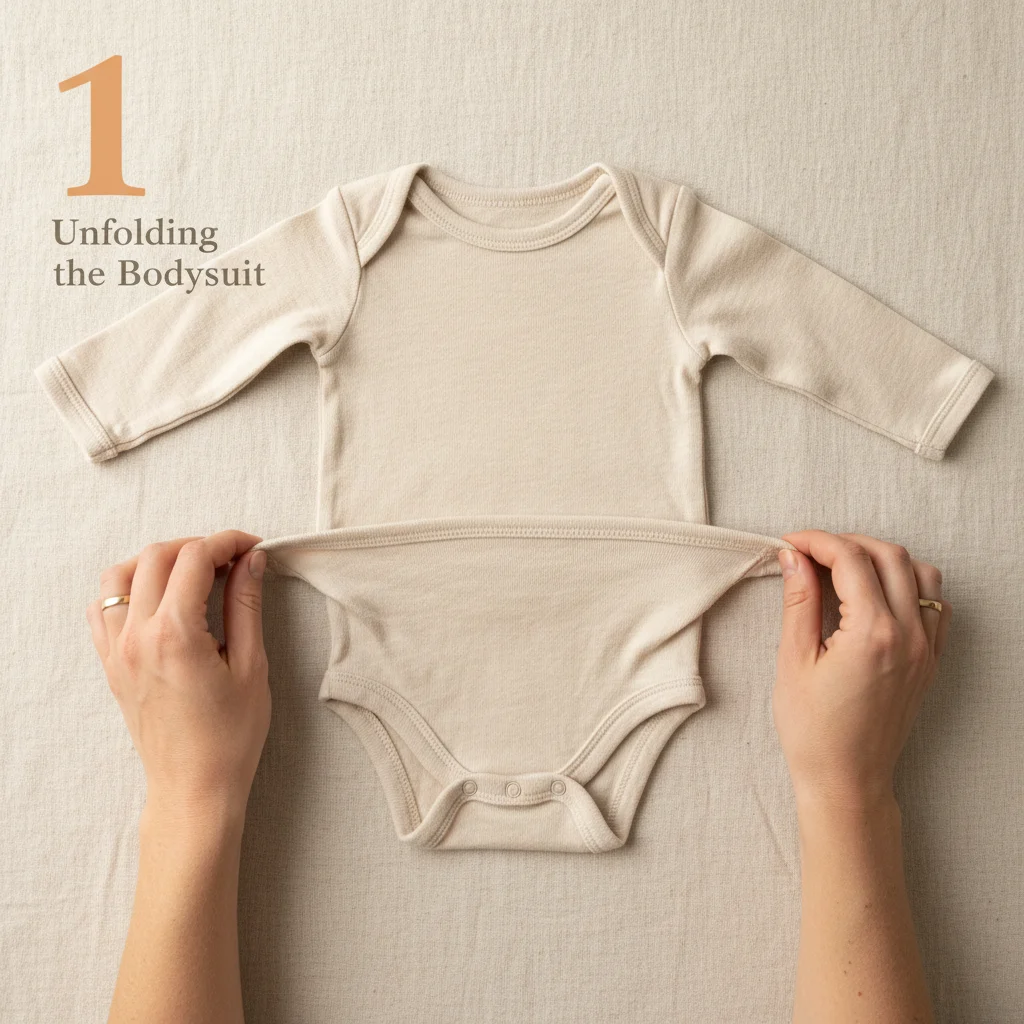
Choosing the right infant winter bodysuit is more than a fashion choice; it is a critical decision for neonatal health and thermal regulation. In the delicate early stages of life, infants lack the ability to shiver or regulate their body temperature effectively, making high-quality winter wear an essential shield against the elements.

Globally, the demand for specialized knitwear in the baby sector has surged as parents prioritize hypoallergenic materials and ergonomic designs. An effective winter bodysuit must balance warmth with breathability to prevent overheating, which is a known risk factor in infant sleep safety, while ensuring that the child remains cozy during outdoor excursions.

By understanding the intersection of textile science and infant ergonomics, manufacturers and parents can ensure that every infant winter bodysuit provides maximum protection without restricting movement, promoting both physical safety and emotional comfort for the baby.
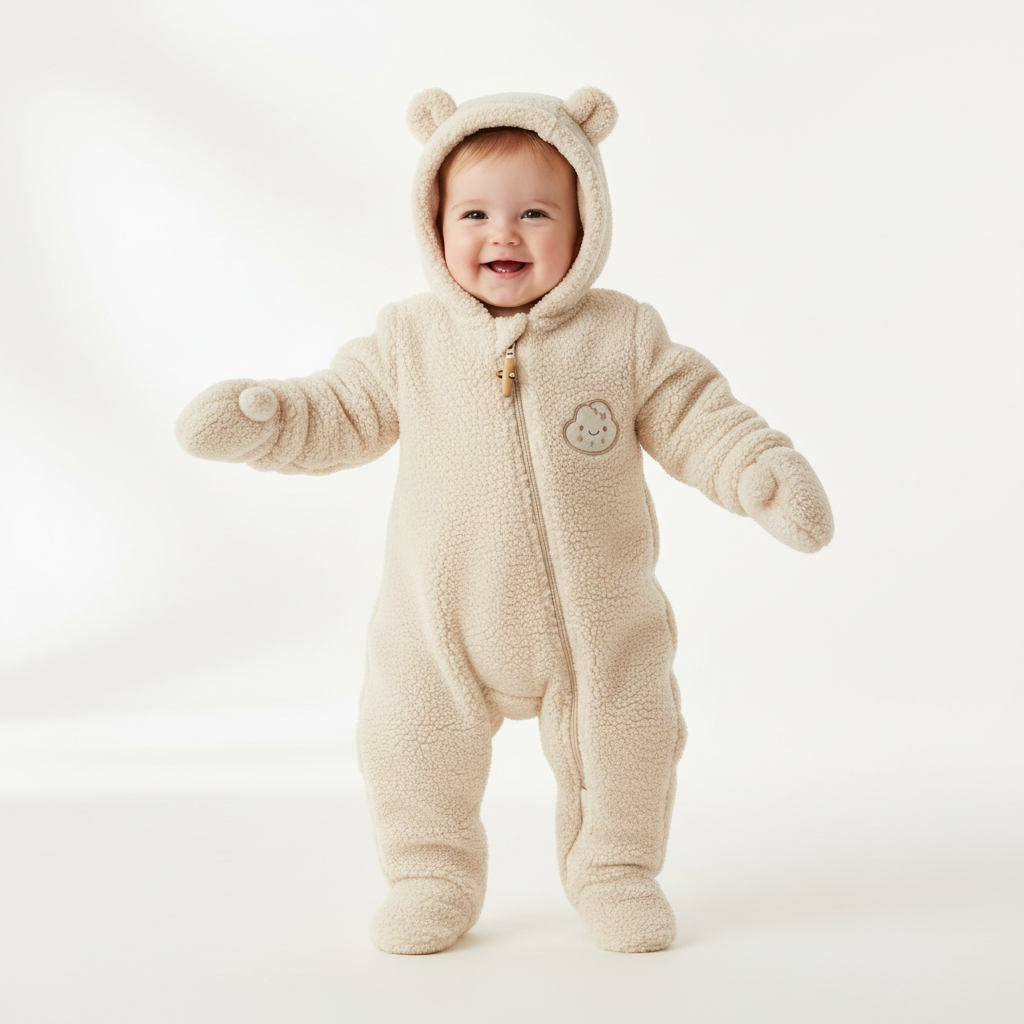
infant winter bodysuit

The Critical Role of Material Selection in Winter Bodysuits
infant winter bodysuit

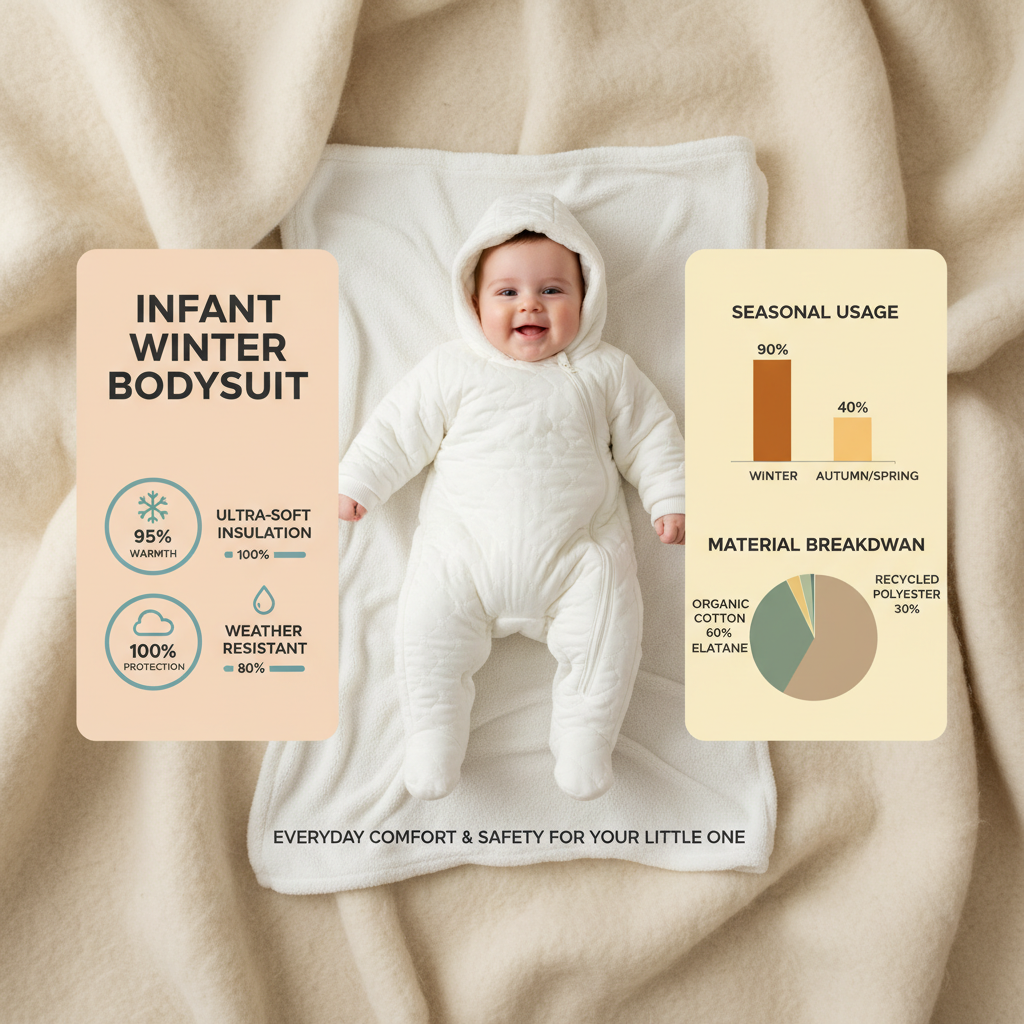
The foundation of a high-performance infant winter bodysuit lies in its fabric composition. Premium options typically utilize a blend of organic cotton for softness and merino wool or bamboo for superior thermoregulation. These materials create a micro-climate around the baby's skin, trapping warm air while allowing moisture to escape, which prevents the dampness that often leads to chills in cold weather.

Moreover, the knitting density plays a pivotal role in wind resistance. A tighter gauge knit reduces air permeability, ensuring that the infant winter bodysuit acts as an effective barrier against frosty winds. By utilizing hypoallergenic dyes and OEKO-TEX certified yarns, manufacturers can ensure that the garment does not irritate the sensitive dermal layer of a newborn.

Ergonomic Design for Infant Thermal Comfort

Ergonomics in an infant winter bodysuit involves more than just size; it is about facilitating the natural movements of a growing baby. Design features such as expandable shoulder snaps and two-way zippers are essential for effortless diaper changes and dressing, reducing the time a baby is exposed to cold air during transitions.

The integration of "footie" designs—integrated socks—eliminates the need for separate footwear that often slips off, ensuring that the extremities remain warm. This holistic approach to coverage is vital because heat loss occurs most rapidly through the head, hands, and feet, making a full-coverage bodysuit a logical choice for sub-zero temperatures.

Furthermore, the seamless construction techniques used in modern knitwear prevent friction and chafing. By minimizing internal seams in the infant winter bodysuit, brands can prevent skin redness and irritation, which is especially important for infants with eczema or hyper-sensitive skin.

Safety Standards and Certification for Baby Knitwear

Ensuring the safety of an infant winter bodysuit requires strict adherence to international safety protocols. This includes the elimination of small detachable parts, such as loose buttons or sequins, which pose significant choking hazards to curious infants who explore their world through their mouths.

The flammability of the infant winter bodysuit is another critical factor; many regions require garments to be treated with non-toxic flame retardants or designed with tight-fitting silhouettes that reduce the oxygen flow between the fabric and the skin, thereby lowering the risk of fire propagation.

Beyond physical safety, chemical certifications like GOTS (Global Organic Textile Standard) ensure that the infant winter bodysuit is free from harmful pesticides and heavy metals, safeguarding the infant's long-term endocrine health.

Performance Metrics of Different Insulating Fabrics

To determine the efficacy of an infant winter bodysuit, we must look at the Clo value—a measure of clothing insulation. Different fabric blends offer varying levels of warmth, with heavy-gauge fleece providing high insulation but lower breathability, whereas merino wool blends offer an optimal balance.

Evaluating the moisture-wicking capabilities is equally important. A bodysuit that absorbs sweat but fails to dry quickly can lead to conductive heat loss, potentially causing the infant to become chilled despite the thickness of the garment.

Thermal Efficiency of Infant Winter Bodysuit Materials

Global Market Trends in Sustainable Infant Apparel

The shift toward "slow fashion" has significantly impacted the production of the infant winter bodysuit. Consumers are increasingly demanding biodegradable materials and ethical supply chains, moving away from synthetic polyesters that shed microplastics into the water system.

Circular economy initiatives, such as bodysuit buy-back programs and "grow-with-me" cuff designs, are becoming mainstream. These innovations extend the lifecycle of an infant winter bodysuit, reducing textile waste and providing long-term value to parents who are mindful of their environmental footprint.

Maintenance and Longevity of Winter Baby Clothing

To maintain the insulating properties of an infant winter bodysuit, proper laundering is non-negotiable. High-heat drying can shrink natural fibers like wool and damage the elasticity of the cuffs, leading to a loss of thermal efficiency and fit.

Using pH-neutral, fragrance-free detergents prevents the breakdown of organic fibers and ensures that the infant winter bodysuit remains soft against the skin. This is particularly important for wool blends, which can become scratchy if washed with harsh chemicals.

Proper storage during the off-season, such as using breathable cotton bags instead of plastic bins, prevents mildew and preserves the fabric's integrity. This ensures that the infant winter bodysuit can be passed down to siblings, embodying the spirit of sustainability.

Comparative Analysis of Winter Bodysuit Variants

Different winter environments require different types of infant winter bodysuit configurations. In humid, cold climates, a breathable bamboo-wool hybrid is ideal, whereas in dry, arctic conditions, a heavy-fleece lined bodysuit is necessary to prevent rapid heat loss.

The choice between a zip-up and a snap-up bodysuit often depends on the parent's priority: speed of access versus structural durability. While zippers are faster, high-quality snaps often withstand more industrial wash cycles without losing their grip.

Ultimately, the versatility of the infant winter bodysuit allows it to serve as either a primary outer layer or a cozy base layer under a heavier snowsuit, depending on the temperature fluctuations.

Technical Specification Comparison of Winter Bodysuit Variants

Fabric Type Thermal Rating Breathability Skin Sensitivity
Merino Wool Blend High (9/10) Excellent Very Low Irritation
Organic Cotton Fleece Medium (7/10) Good Hypoallergenic
Bamboo Viscose Low-Mid (5/10) Superior Ultra-Soft
Polyester Thermal High (8/10) Fair Moderate
Cashmere Blend Ultra High (10/10) Very Good Luxurious/Soft
Interlock Knit Cotton Medium (6/10) Good Low Irritation

FAQS

How do I know if my infant winter bodysuit is too warm?

Check your baby's chest or the back of their neck. If the skin feels hot, clammy, or sweaty, the bodysuit is likely too warm. Overheating can be a risk factor for SIDS, so it is better to layer thin garments than to use one excessively thick bodysuit. Ensure the room temperature is balanced with the clothing weight.

Is merino wool better than cotton for a winter bodysuit?

Yes, for extreme cold, merino wool is generally superior. It provides a higher warmth-to-weight ratio and is naturally moisture-wicking, meaning it keeps the baby dry and warm even if they sweat. Cotton is excellent for mild cold or as a base layer, but it can hold moisture, which may lead to chilling in very low temperatures.

Are zippers or snaps safer for infant winter bodysuits?

Both are safe if manufactured correctly. Zippers offer speed and ease, especially for late-night changes, but require a "zipper guard" at the chin to prevent pinching. Snaps are often more durable over hundreds of washes and eliminate the risk of zipper malfunctions, but they take longer to fasten. Look for nickel-free snaps to avoid skin allergies.

How often should I replace my baby's winter bodysuit?

Replacement is typically dictated by growth rather than wear. Infants grow rapidly, and a bodysuit that is too tight will restrict movement and reduce the insulating air layer, making it less effective. Generally, check the fit every 2-3 months during the winter season to ensure the baby has enough room to kick and stretch comfortably.

Can I put a bodysuit under a sleep sack?

Absolutely. Layering an infant winter bodysuit under a sleep sack is a recommended way to maintain a consistent temperature. Just be mindful of the total "TOG" rating (Thermal Overall Grade). If the bodysuit is heavy fleece, choose a lighter sleep sack to prevent the baby from overheating during the night.

What is the best way to wash a wool-blend bodysuit?

The best method is a gentle cold-water cycle using a wool-specific detergent, followed by air drying flat. Avoid the tumble dryer at all costs, as high heat can shrink the fibers and destroy the garment's shape. Air drying preserves the natural elasticity and softness of the wool, extending the life of the bodysuit.

Conclusion

Selecting a high-quality infant winter bodysuit is a synthesis of safety, science, and comfort. By prioritizing OEKO-TEX certified materials, ergonomic designs that facilitate movement, and the correct thermal weight for the environment, parents can effectively protect their infants from the risks of hypothermia and skin irritation. The integration of sustainable fabrics and circular design not only benefits the child's immediate health but also contributes to a healthier planet for their future.

As textile technology evolves, we expect to see more "smart" fabrics in the baby sector that can dynamically adjust to temperature changes. For now, the most reliable approach remains investing in breathable, natural fibers and mindful layering. To explore our professional range of baby wear and high-performance knitwear, visit our website: www.factorypyjamas.com.

Owen Rodriguez

Owen Rodriguez

Owen Rodriguez is a dedicated Quality Inspector at Kuer Clothing, with 8 years of experience ensuring the highest standards for our apparel. Owen is responsible for meticulously inspecting garments at various stages of production, from raw materials to finished products. He's thoroughly trained in identifying defects and ensuring compliance with our strict quality control protocols and international certifications. Owen plays a key role in maintaining our reputation for durable, reliable clothing. He takes pride in his attention to detail and his commitment to delivering consistently high-quality products to our customers. He is also involved in training new inspectors.
Previous Choosing the Best High Quality New Born Bodysuit for Infants
Next Premium Knitwear for Newborn Band Onesies Manufacturing

If you are interested in our products, you can choose to leave your information here, and we will be in touch with you shortly.