


- norwegian
- irish
- italian
- japanese
- korean
- kyrgyz
- lao
- latin
- latvian
- lithuanian
- luxembourgish
- malay
- nepali
- indonesian
- persian
- polish
- portuguese
- romanian
- russian
- slovak
- slovene
- spanish
- swedish
- tajik
- vietnamese
- dutch
- albanian
- arabic
- azerbaijani
- belarusian
- bengali
- bosnian
- bulgarian
- burmese
- croatian
- czech
- danish
- deutsch
- afrikaans
- english
- estonian
- filipino
- finnish
- french
- galician
- georgian
- greek
- hawaiian
- hindi
- hungarian
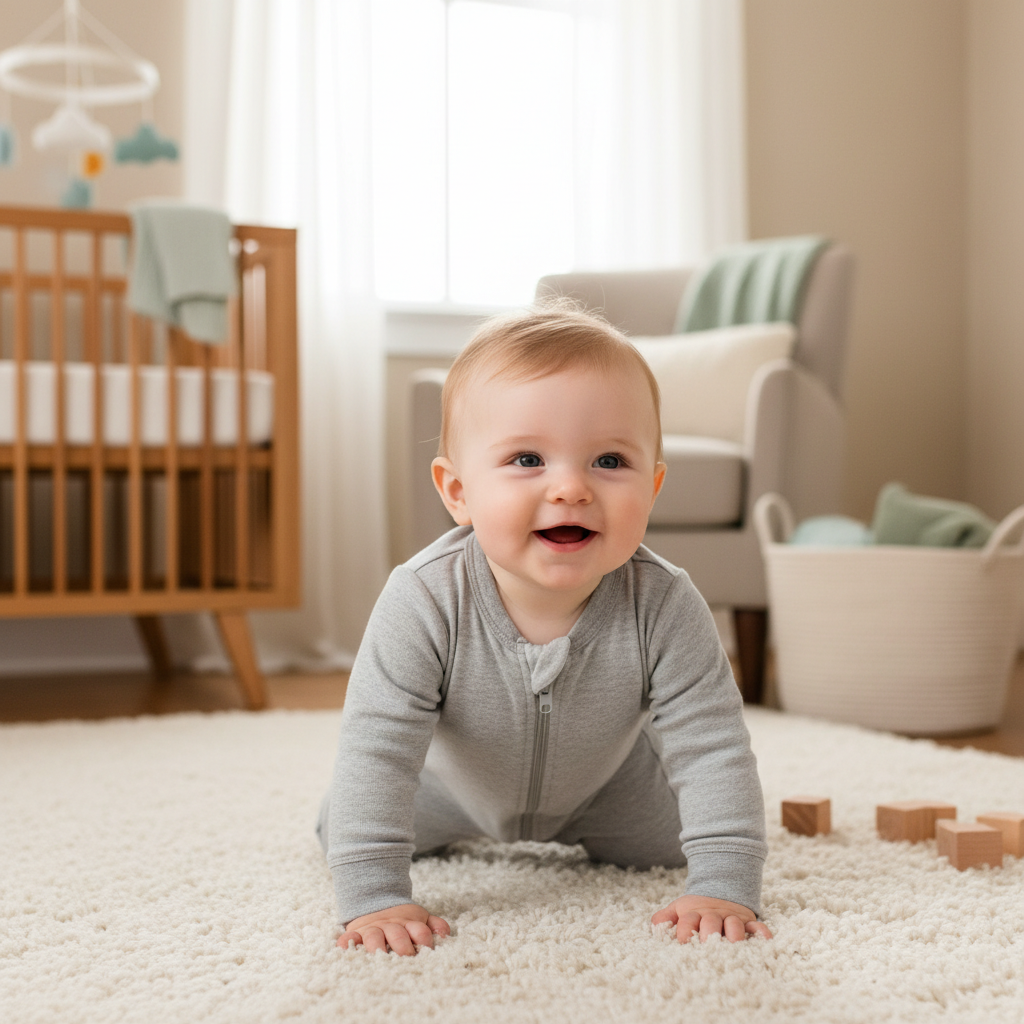
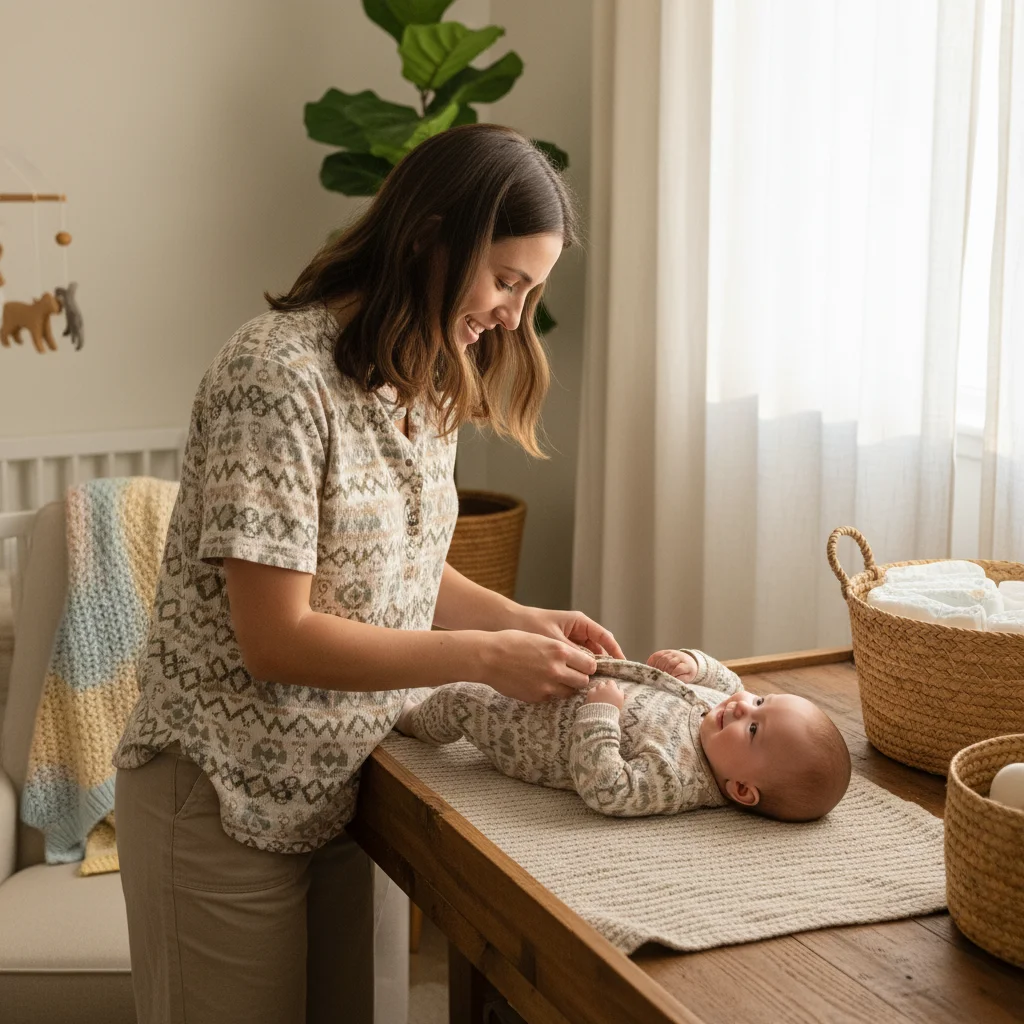
When it comes to newborn care, the efficiency of dressing is often overlooked until a parent is faced with a middle-of-the-night diaper change. The infant zipper onesie has emerged as a cornerstone of modern infant apparel, blending the comfort of a traditional sleeper with the mechanical speed of a high-quality zipper. By eliminating the tedious process of snapping multiple buttons, these garments reduce stress for both the parent and the baby, ensuring a smoother transition between sleep and activity.
Globally, the demand for high-performance baby clothing has shifted toward "functional minimalism." The infant zipper onesie is not merely a fashion choice but a tool for ergonomic parenting. From the perspective of textile manufacturing, the integration of reinforced zippers into soft, breathable knit fabrics requires a precise balance of durability and safety, ensuring that the hardware never irritates the delicate skin of a newborn.
Understanding the technical specifications—such as fabric GSM, zipper guard placement, and seam construction—allows parents and wholesalers to distinguish between a generic garment and a premium piece of infant engineering. This guide explores why the infant zipper onesie is an essential investment for neonatal comfort and the logistical challenges solved by its design.
Global Market Demand for Infant Zipper Onesies
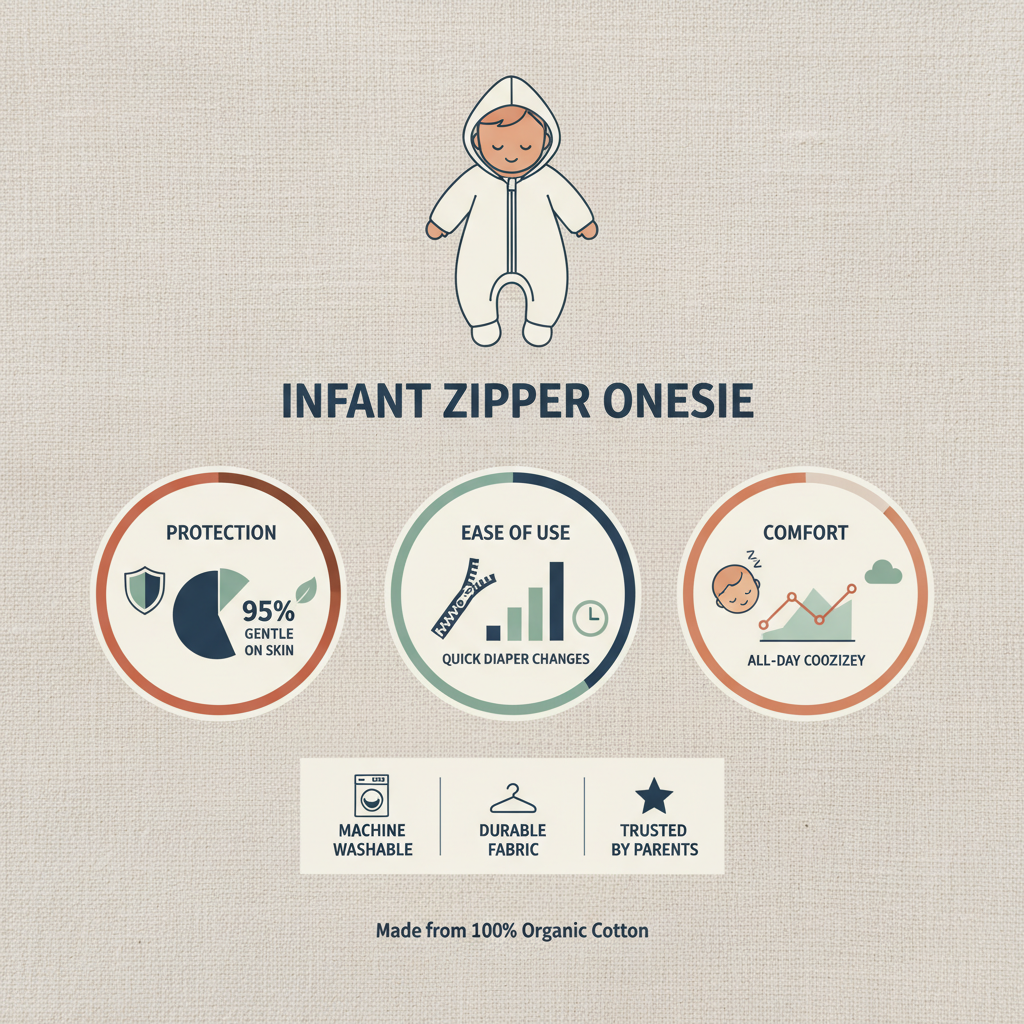
The global shift toward convenience-oriented childcare has seen a surge in the adoption of the infant zipper onesie. According to textile industry trends and consumer behavior reports, parents are increasingly prioritizing "time-saving" garments. In fast-paced urban environments, the ability to change a baby's clothing in seconds rather than minutes is a significant driver of sales across North America and Europe.
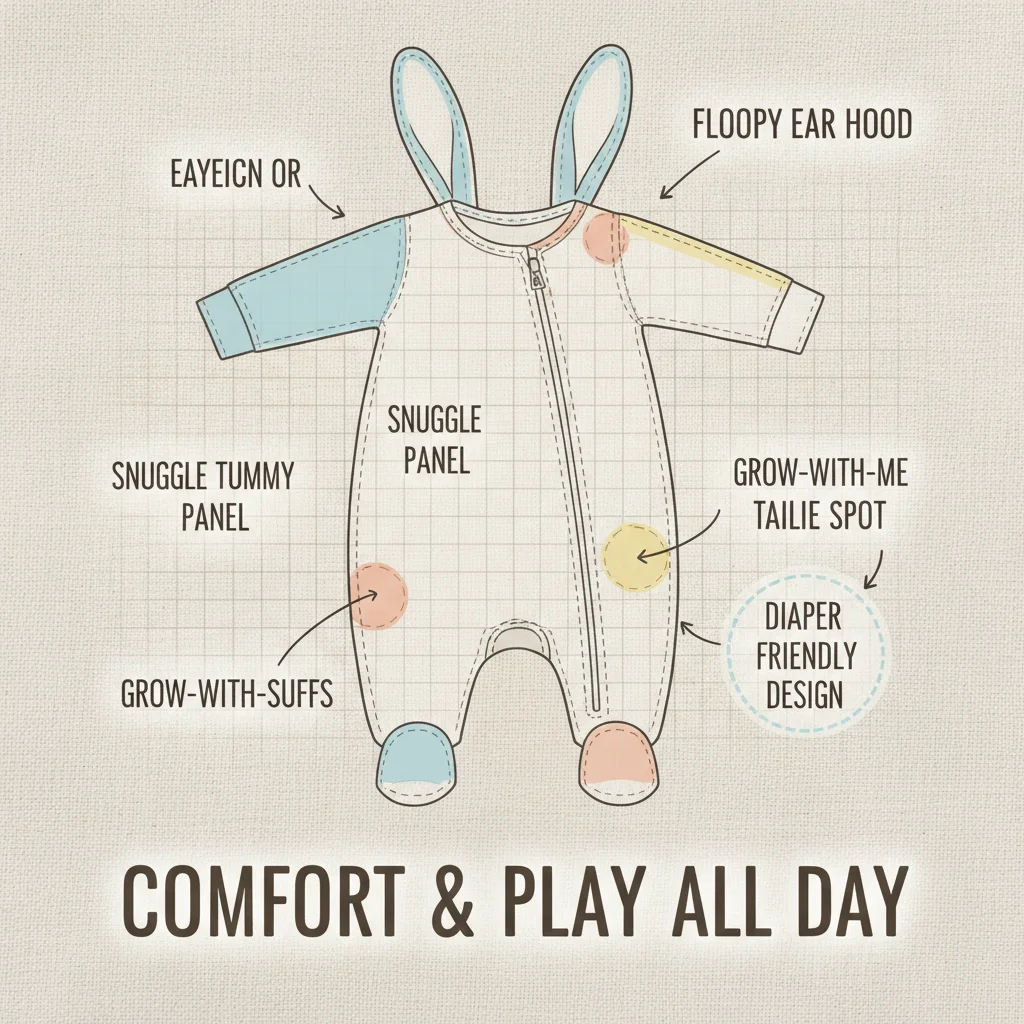
Furthermore, safety standards set by organizations like ISO and ASTM have forced manufacturers to innovate. The challenge has always been the "pinch point"—the risk of the zipper catching the baby's skin. Modern engineering has solved this through the implementation of fabric zipper guards and two-way zip systems, making these garments safer and more practical than traditional button-down sleepers.
FAQS
Yes, in terms of time and stress, they are safer because they reduce the time a baby is exposed to cold air during changes. However, safety depends on the "zipper guard." A high-quality infant zipper onesie with a chin guard is safer than one without, as it prevents skin pinching. Always check that the zipper doesn't have sharp edges.
Look for designs that feature a fabric overlay (zipper guard) that runs the entire length of the closure. Additionally, choosing "plastic molded" zippers rather than metal ones ensures that the hardware doesn't get too cold in winter or too hot in summer, reducing the risk of thermal irritation to the infant's skin.
A two-way zipper allows you to unzip from the bottom up. This is a game-changer for diaper changes, as you can access the diaper area while keeping the baby's chest and arms warm and covered. It prevents the baby from waking up due to a sudden chill and saves the parent from having to fully undress the child.
Absolutely. Most are designed for high-frequency washing. To maintain the zipper's glide, we recommend washing them inside out or using a laundry bag. This prevents the zipper teeth from snagging on other clothes and protects the zipper pull from becoming bent or damaged over time.
Bamboo viscose or lightweight organic cotton are the best choices for summer. Bamboo is naturally antimicrobial and has superior moisture-wicking properties, which helps prevent diaper rash and heat rash by keeping the baby's skin dry and cool even in high humidity.
Since babies grow rapidly, look for onesies with foldable cuffs at the wrists and ankles. A slightly loose fit is generally better for movement and breathing. Ensure the zipper doesn't pull tightly across the chest, as this can restrict the infant's diaphragmatic breathing during sleep.
Conclusion
The infant zipper onesie represents a perfect synergy of textile engineering and parental empathy. By focusing on the critical details—from the non-irritating chin guard to the efficiency of a two-way zipper—manufacturers have created a garment that transcends basic clothing to become a functional tool for neonatal care. The transition from buttons to zippers has not only saved countless hours for parents but has also improved the thermal safety and comfort of infants worldwide.
As we move toward a future of smart textiles and sustainable manufacturing, the infant zipper onesie will continue to evolve. For parents and retailers, the key is to prioritize hypoallergenic materials and certified safety hardware. Investing in quality apparel today ensures a safer, more comfortable start for the next generation. For premium, factory-direct solutions in baby wear, visit our website: www.factorypyjamas.com.

Ethan Thompson


If you are interested in our products, you can choose to leave your information here, and we will be in touch with you shortly.