


- norwegian
- irish
- italian
- japanese
- korean
- kyrgyz
- lao
- latin
- latvian
- lithuanian
- luxembourgish
- malay
- nepali
- indonesian
- persian
- polish
- portuguese
- romanian
- russian
- slovak
- slovene
- spanish
- swedish
- tajik
- vietnamese
- dutch
- albanian
- arabic
- azerbaijani
- belarusian
- bengali
- bosnian
- bulgarian
- burmese
- croatian
- czech
- danish
- deutsch
- afrikaans
- english
- estonian
- filipino
- finnish
- french
- galician
- georgian
- greek
- hawaiian
- hindi
- hungarian
Choosing the right apparel for a newborn is more than just a fashion choice; it is about balancing comfort, accessibility, and safety. Among the various options available, infant side snap onesies have emerged as a preferred choice for parents and caregivers globally. By shifting the fastening mechanism from the center to the sides, these garments eliminate the struggle of dressing a wiggly baby, making the daily routine significantly more manageable.
From a manufacturing perspective, the design of side-snap garments represents a thoughtful evolution in textile engineering. These onesies are specifically tailored to reduce pressure on the infant's delicate chest and abdomen, which is often a problem with traditional front-snap or over-the-head styles. For parents of newborns, especially those recovering from childbirth or dealing with premature infants, the ease of access provided by side closures is an indispensable benefit.
Understanding the nuances of fabric selection, snap durability, and ergonomic cutting is essential for ensuring that these garments provide long-term value. Whether it is the use of hypoallergenic organic cotton or the precision of the snap placement, every detail contributes to the overall well-being of the infant. In this comprehensive guide, we explore why infant side snap onesies are becoming the gold standard in modern baby care.
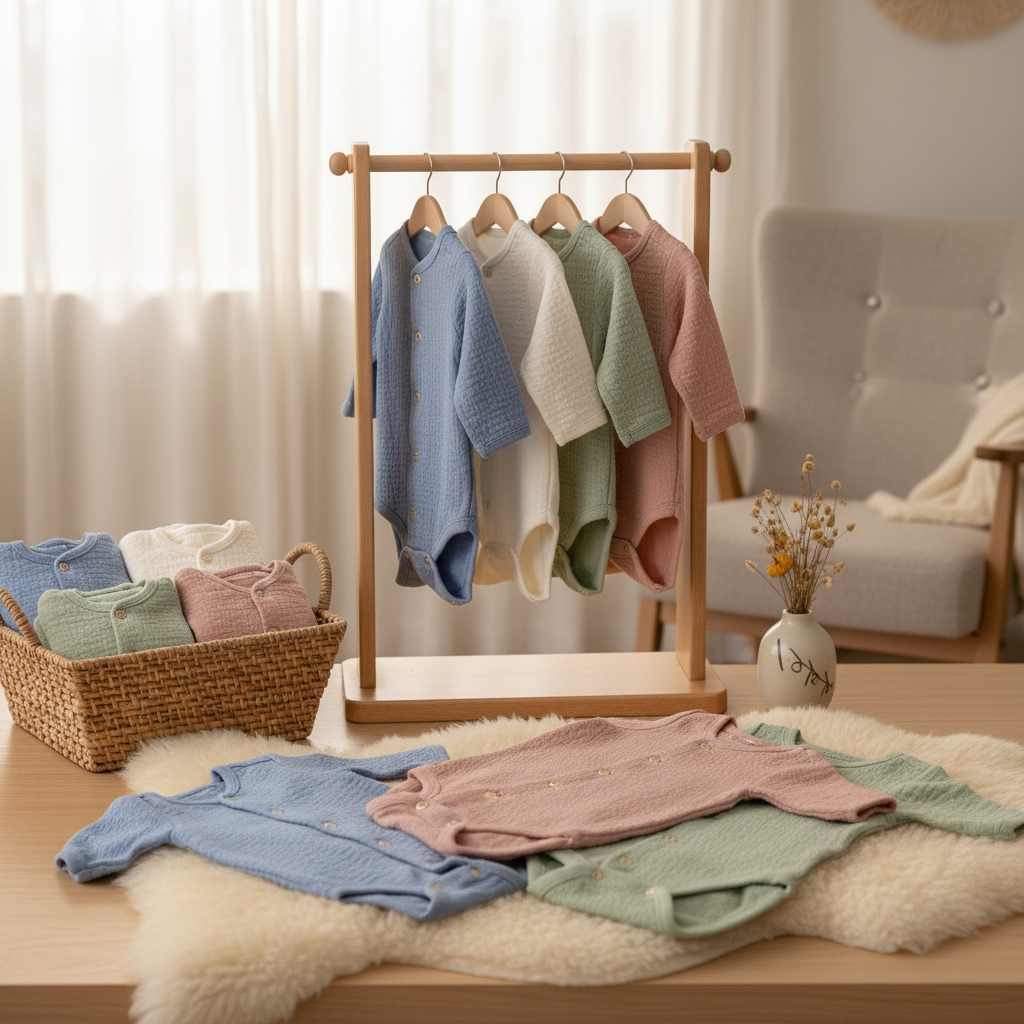
The Ergonomic Design of Infant Side Snap Onesies
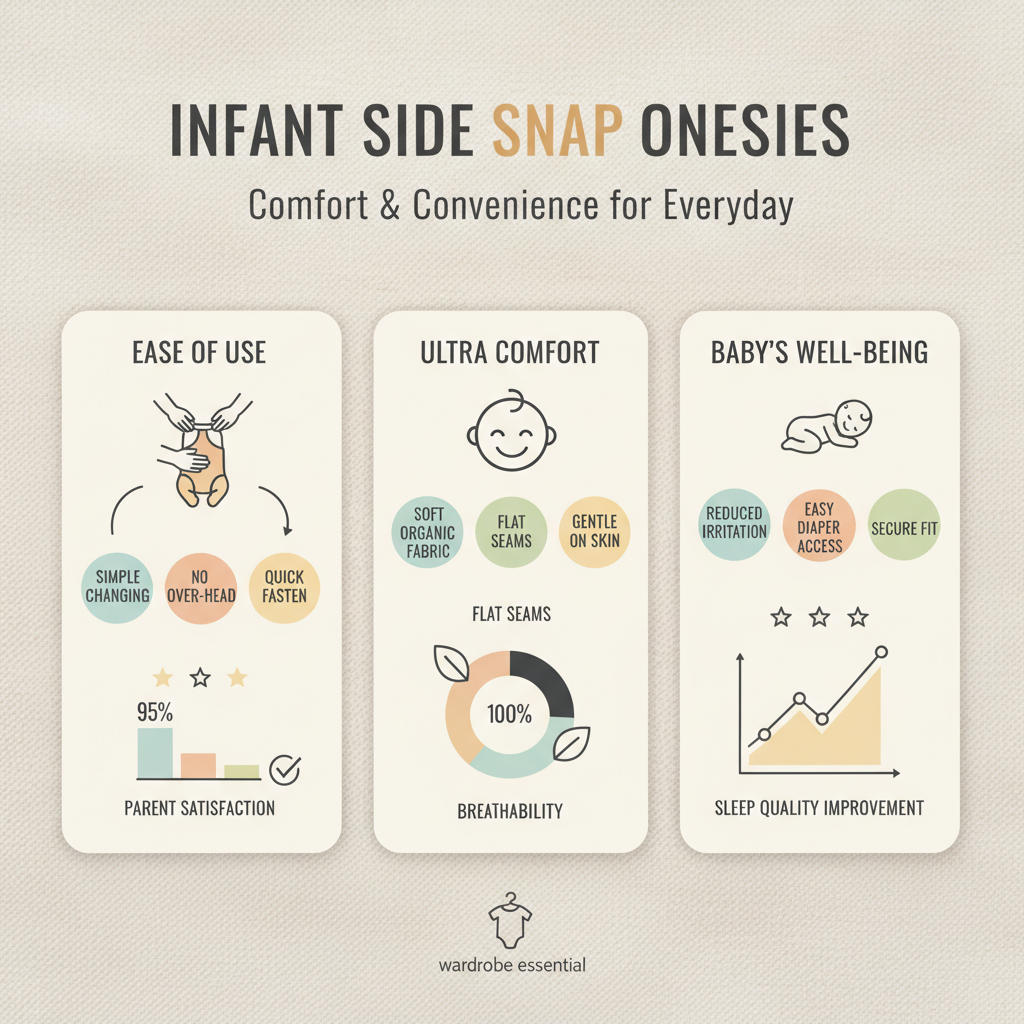
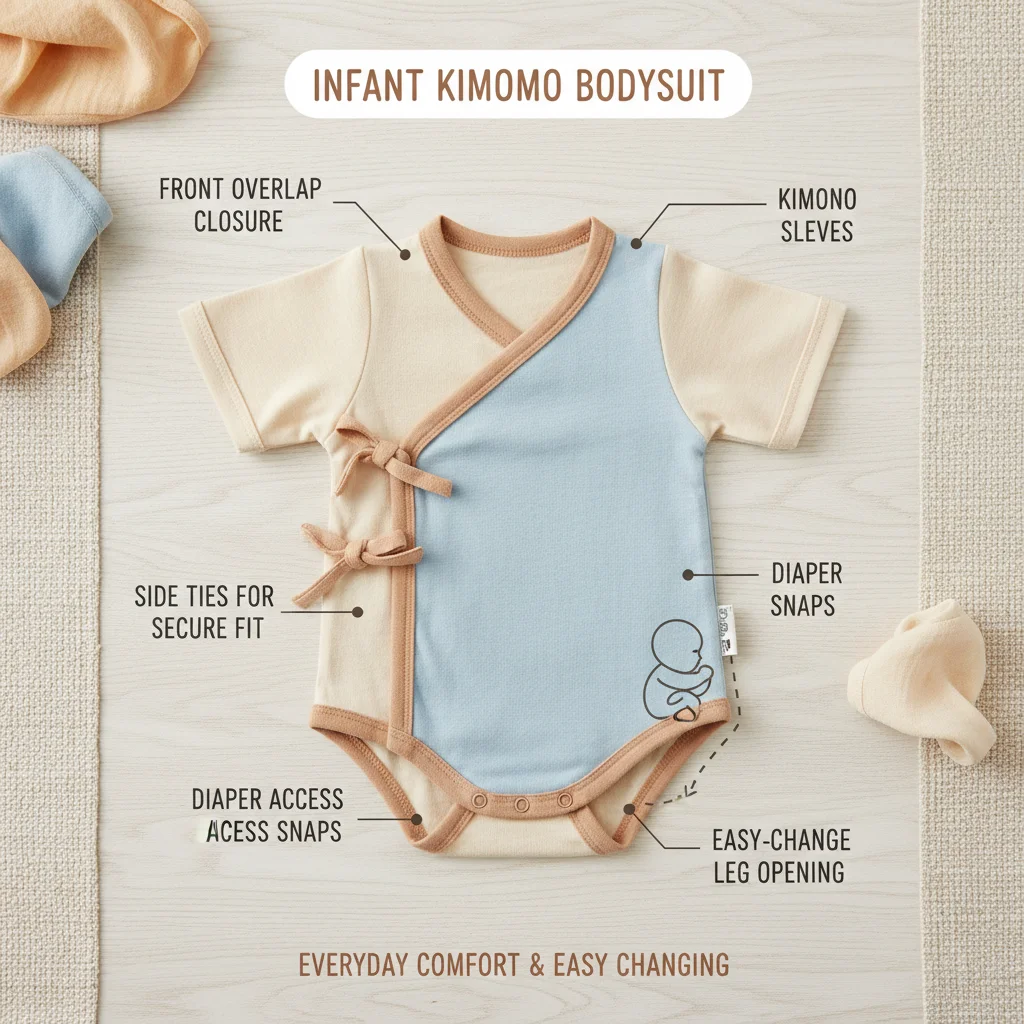
The fundamental appeal of infant side snap onesies lies in their departure from traditional garment architecture. Instead of requiring the baby to be lifted and pulled through a narrow neck opening or flipped over for a center-zip, side-snap designs allow the garment to open almost completely. This "wrap-around" approach ensures that the baby can be placed gently onto the fabric, reducing the physical stress on both the infant's joints and the caregiver's wrists.
Moreover, this design is particularly beneficial for infants with medical needs or those who are hypersensitive to touch. By moving the fasteners to the periphery of the torso, there is less friction against the skin and no hard metal or plastic components pressing directly against the baby's stomach during sleep. This ergonomic shift transforms a simple piece of clothing into a tool for stress-free caregiving.
FAQS
Side snap onesies are superior because they allow the baby to be laid flat on their back or side without having to lift them high in the air or pull clothing over their head. This reduces stress for the baby and is significantly easier for parents, especially those with limited mobility or those caring for premature infants who require minimal disturbance.
Yes, when manufactured to professional standards, the snaps are made from nickel-free, non-toxic alloys and are securely fastened to the fabric. Quality manufacturers conduct rigorous pull-tests to ensure that the snaps do not detach, eliminating the risk of the hardware becoming a choking hazard for the infant.
The best fabrics are 100% organic cotton or bamboo blends. These materials are naturally hypoallergenic, highly breathable, and soft against the skin. They help regulate the baby's temperature and absorb moisture, which is essential for preventing diaper rash and skin irritation in the first few months.
To maintain the integrity of the snaps, it is recommended to wash the garments in a laundry bag on a gentle cycle and avoid using bleach. Air drying or using a low-heat dryer setting prevents the fabric around the snaps from shrinking or warping, which keeps the closures aligned and secure.
Absolutely. Many parents prefer them as sleepwear because they are less restrictive than traditional pajamas. When paired with a baby sleeping bag, side snap onesies provide a secure base layer that keeps the baby warm without the risk of loose fabric covering the infant's face.
Yes, they are often the top recommendation for NICU graduates and premature babies. The side-opening design minimizes the need to manipulate the baby's limbs and torso, reducing the risk of disturbing medical tubes or causing stress to a fragile system.
Conclusion
In summary, infant side snap onesies represent a perfect harmony of textile engineering and parental empathy. By prioritizing ergonomic access, material safety, and rigorous quality control, these garments solve the most common frustrations of newborn care. From the use of OEKO-TEX certified fabrics to the implementation of high-strength, nickel-free snaps, every element is designed to protect the infant while empowering the caregiver.
Looking forward, the integration of sustainable materials and adaptive design will continue to push the boundaries of baby apparel. We encourage parents and retailers to prioritize quality and functionality over fast-fashion trends to ensure a safer, more comfortable start for every child. For premium, manufacturer-direct solutions in infant wear, visit our website: www.factorypyjamas.com.
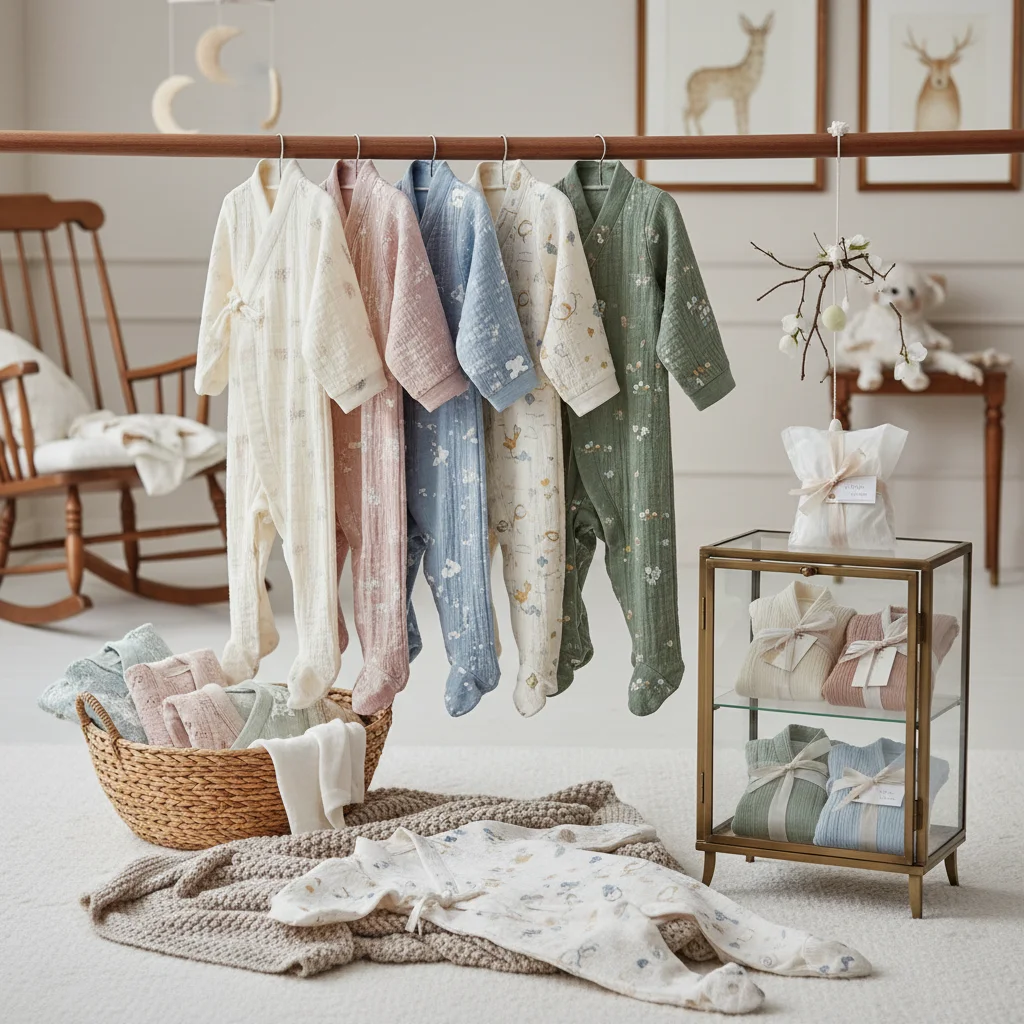

David Miller


If you are interested in our products, you can choose to leave your information here, and we will be in touch with you shortly.