

Choosing the Right Snug Sack Sleeping Bag for Comfortable Outdoor Adventures
Choosing the Right Snug Sack Sleeping Bag for Your Adventures
When planning outdoor adventures, a reliable and comfortable sleeping bag is essential. A snug sack sleeping bag offers the perfect combination of warmth, portability, and convenience. This article provides a comprehensive guide to understanding the features, benefits, and choosing the best snug sack sleeping bag to suit your needs. Whether you're a seasoned backpacker or a casual camper, investing in a quality sleeping bag will significantly enhance your outdoor experience.
Understanding Snug Sack Sleeping Bag Designs
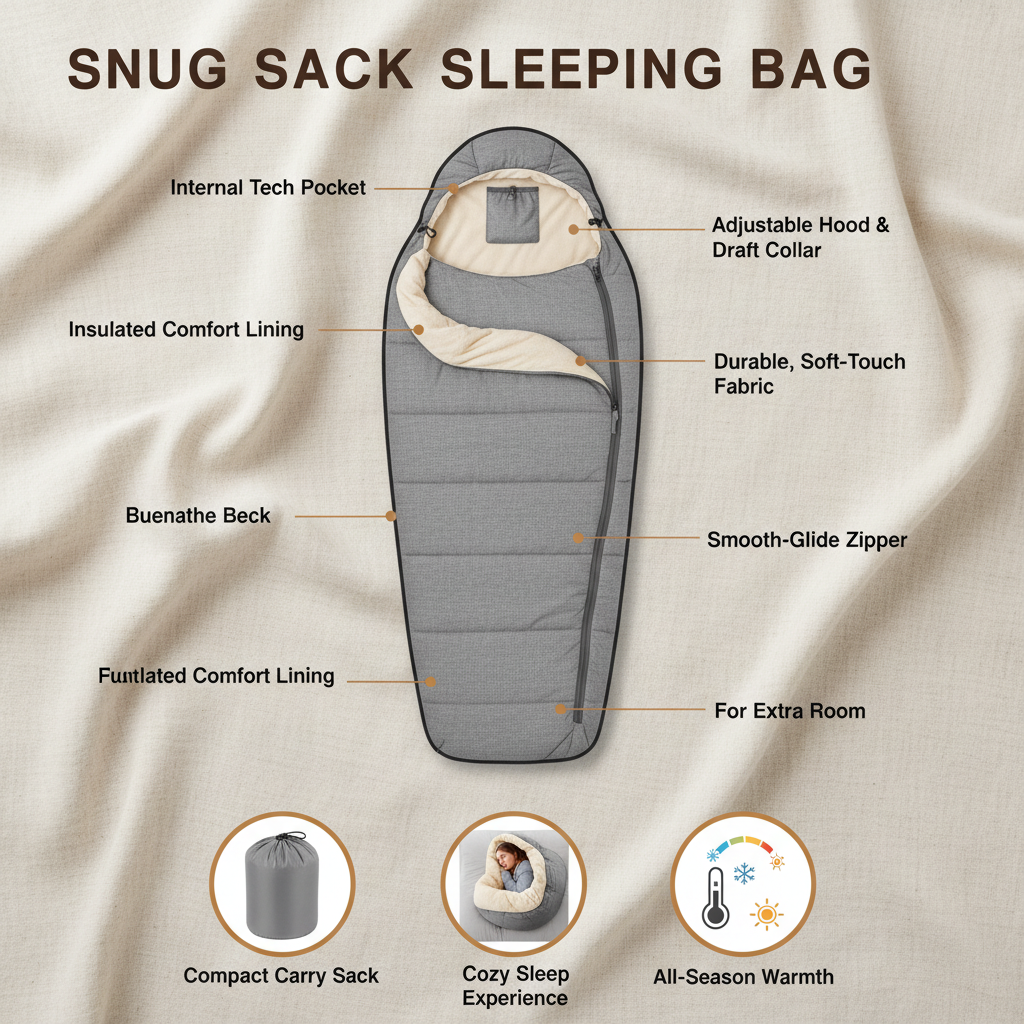
Snug sack sleeping bags are renowned for their unique design, typically featuring a mummy-shaped configuration that maximizes warmth and minimizes weight. This design closely follows the natural contours of the body, reducing dead air space and improving thermal efficiency. The snug fit also reduces the amount of material needed, making them lighter and more compact for backpacking. They often incorporate features like draft collars and hoods to prevent heat loss and offer superior protection in colder conditions. Factory Pyjamas provides a range of snug sack options to suit various temperature ratings and adventure levels.
Key Highlights: Snug sack sleeping bags are designed for optimal warmth, minimal weight, and compact portability, making them ideal for backpacking and other outdoor adventures.
Materials and Insulation: A Deep Dive into Warmth
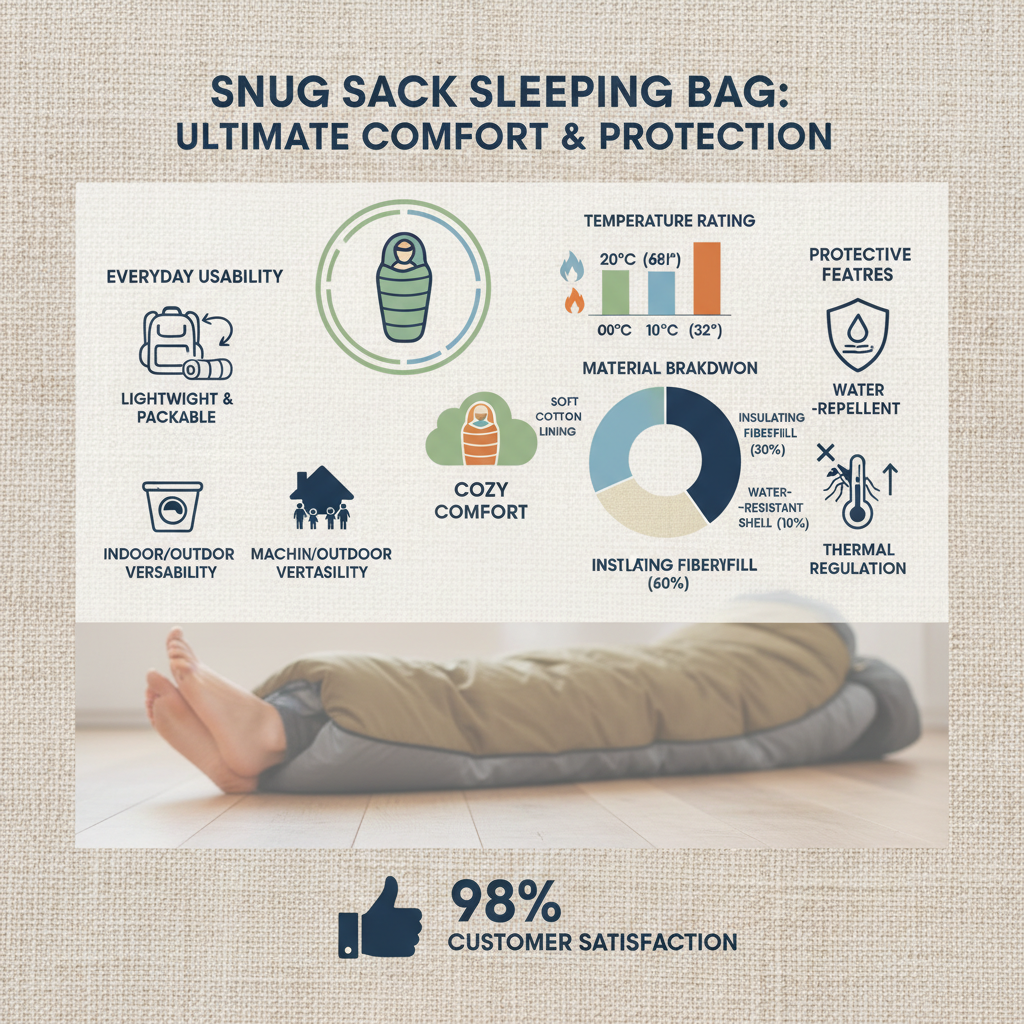
The warmth of a snug sack sleeping bag is heavily reliant on the materials used for both the shell and the insulation. Common shell materials include nylon and polyester, often treated with a durable water repellent (DWR) finish to protect against moisture. Insulation options include down and synthetic fills. Down is incredibly lightweight and compressible, offering exceptional warmth-to-weight ratio. However, it loses its insulating properties when wet. Synthetic insulation retains warmth even when damp, making it a better choice for humid environments. Factory Pyjamas uses high-quality materials to ensure lasting warmth and comfort.
Down vs. Synthetic Insulation:
• Down: Lightweight, highly compressible, excellent warmth-to-weight ratio, loses warmth when wet.
• Synthetic: Retains warmth when wet, more affordable, heavier and less compressible than down.
Snug Sack Sleeping Bag: Temperature Ratings Explained
Understanding temperature ratings is crucial when choosing a snug sack sleeping bag. These ratings indicate the lowest temperature at which the average sleeper can remain comfortable. There are different types of ratings (comfort, limit, and extreme), so it's important to check which rating the manufacturer uses. A "comfort" rating is generally considered a safe temperature for a normal sleeper, while a "limit" rating is the lowest temperature at which a well-insulated person can sleep for eight hours. Always choose a bag rated for lower temperatures than you anticipate, especially if you tend to sleep cold.
Snug Sack Sleeping Bag Features to Consider
Beyond temperature ratings and insulation, several other features can enhance your sleeping bag experience. Look for features like a draft collar that seals around your neck to prevent heat loss, a hood that cinches snugly around your head, and internal pockets for storing small essentials. A footbox design that provides ample space for your feet is also important for comfort. The ability to zip two sleeping bags together is a bonus for couples or those who prefer more space. The snug sack sleeping bags at Factory Pyjamas offer a variety of these features.
Caring for Your Snug Sack Sleeping Bag
Proper care will extend the lifespan of your snug sack sleeping bag. Always store your bag uncompressed in a large storage sack to avoid damaging the insulation. Regularly air out your bag after use to remove moisture. If washing is necessary, follow the manufacturer's instructions carefully, using a specialized down or synthetic wash. Avoid using harsh detergents or fabric softeners. Proper maintenance will ensure your sleeping bag remains a reliable companion on all your adventures.
Conclusion: Finding Your Perfect Snug Sack
Investing in a quality snug sack sleeping bag from Factory Pyjamas is a vital step in preparing for comfortable and safe outdoor adventures. By understanding the different features, materials, and temperature ratings, you can choose a bag that perfectly matches your needs and ensures a restful night's sleep under the stars. Don’t compromise on comfort and warmth – select a snug sack sleeping bag that will be your trusted companion for years to come.
Frequently Asked Questions (FAQs)
How do I choose the right size snug sack sleeping bag?
Choosing the correct size is crucial for comfort and warmth. Snug sack sleeping bags come in different lengths, typically regular and long. To determine the right length, measure your height and compare it to the manufacturer's size chart. You want the bag to be long enough that your feet can comfortably move without hitting the end, but not so long that there's excess space that needs to be heated by your body. A properly sized bag will maximize thermal efficiency and prevent cold spots.
What does "fill power" mean for down sleeping bags?
Fill power refers to the quality of the down insulation. It measures the fluffiness of the down, indicating its ability to trap air and provide warmth. A higher fill power (e.g., 600, 700, 800) means the down is more fluffy and provides better insulation for its weight. Generally, a fill power of 600 or higher is considered good quality, while 800+ represents premium down. Higher fill power bags are often more expensive but offer superior warmth-to-weight ratio.
How often should I wash my snug sack sleeping bag?
You shouldn't wash your sleeping bag too frequently, as washing can degrade the insulation. Only wash it when it's noticeably dirty or has lost its loft. Follow the manufacturer's instructions carefully, as down and synthetic bags require different cleaning methods. Use a specialized detergent designed for sleeping bags and avoid using harsh chemicals or fabric softeners. Proper cleaning and drying will help maintain the bag's warmth and performance.