

Safe Sleep Sack: Ensuring Infant Safety and Comfort Worldwide
Safe Sleep Sack: Essential Comfort and Safety for Infants Worldwide
When it comes to infant sleep safety, the term safe sleep sack comes up a lot—both in parental circles and across global health initiatives. But why should we all care? Simply put, these wearable blankets aim to protect babies from risks associated with traditional bedding, providing comfort with peace of mind. Given the mix of sudden infant death syndrome (SIDS) statistics worldwide and rising awareness of safe sleep environments, understanding the role of safe sleep sacks isn’t just niche knowledge — it’s a public health priority.
Global Context: Why Safe Sleep Sacks Matter More Than Ever
Worldwide, infant mortality rates have shifted considerably over past decades, yet SIDS and accidental suffocation remain stubborn challenges. Estimates from UNICEF indicate that over 2.4 million children under five died in 2019, many due to preventable causes, including unsafe sleep conditions. In fact, according to the American Academy of Pediatrics, using safe sleep practices — including the use of safe sleep sacks — can markedly reduce risk factors.
But here’s the kicker: many families globally still lack access to safe and affordable sleepwear for babies, especially in lower-income countries. The challenge here is twofold: how to manufacture and distribute safe sleep sacks that meet international safety standards while also being cost-effective and accessible. That’s why this topic scales beyond just baby products — it becomes an intersection of healthcare, manufacturing innovation, and humanitarian aid.
What Is a Safe Sleep Sack?
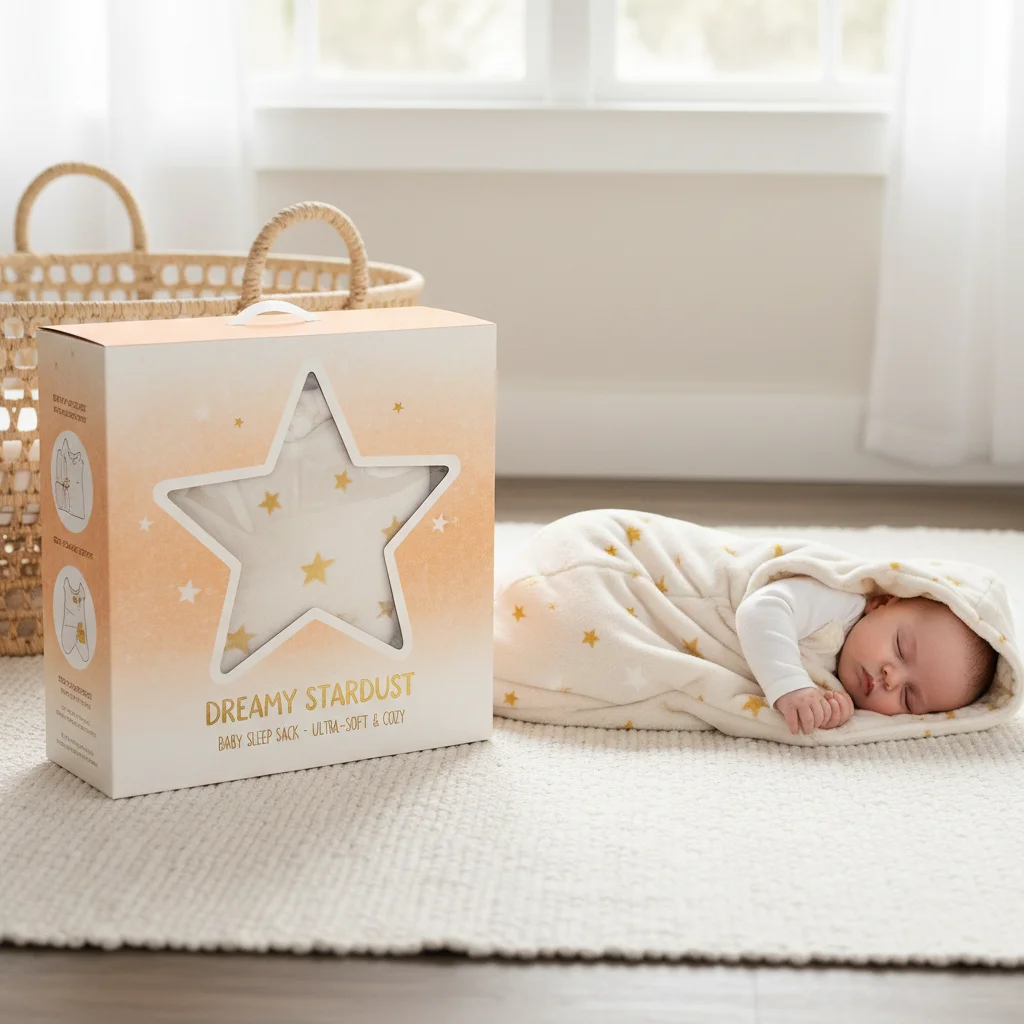
At its core, a safe sleep sack is a wearable blanket designed to replace loose bedding in a crib. It’s usually sleeveless, made of breathable fabrics, and fits snugly around the baby’s torso with enough room for movement but without excess material that could cause suffocation.
Think of it this way: it prevents babies from kicking off blankets — which can expose them to cold — or from bunching up fabric that might cover their face. This simple garment is the evolution of infant sleeping gear with safety nuances baked in, influenced by pediatric recommendations and industry safety certifications.
Key Components and Design Features of Safe Sleep Sacks
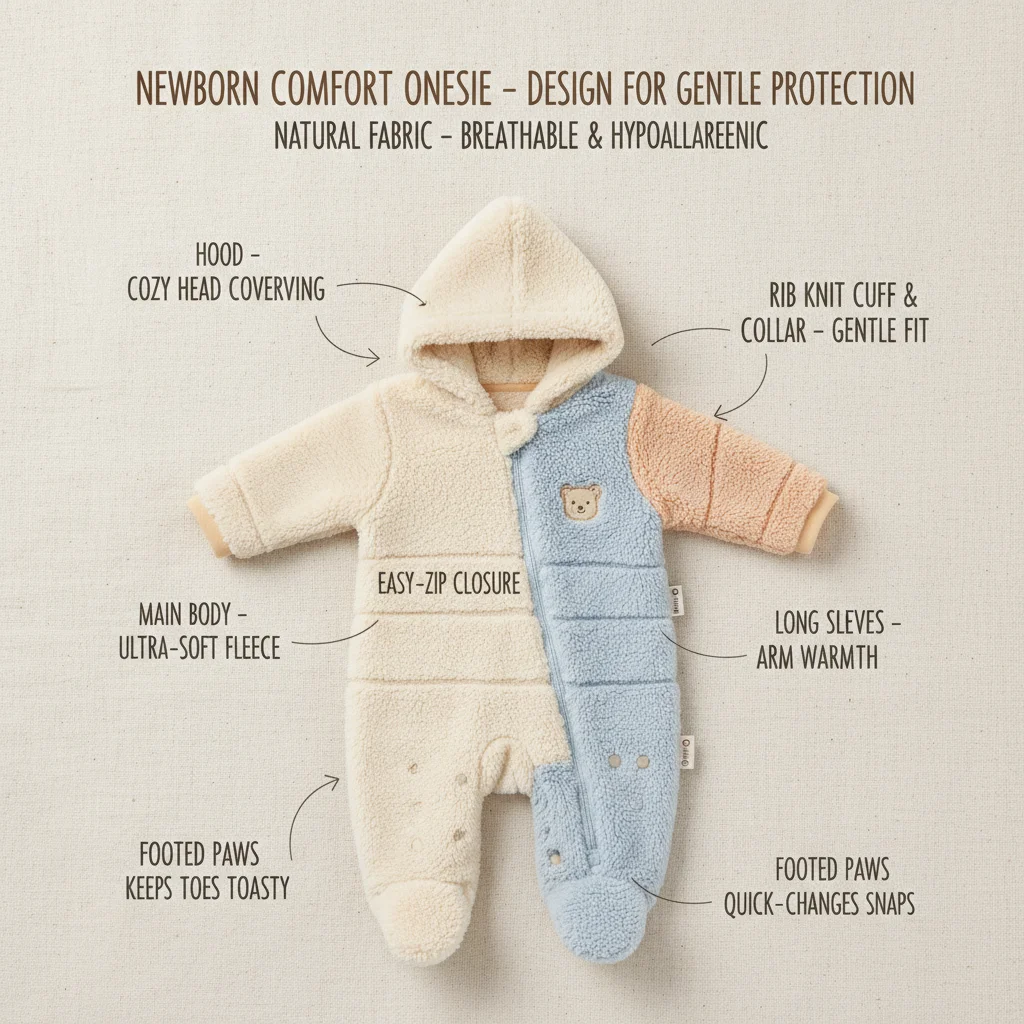
1. Material and Breathability
Natural fibers like cotton or bamboo blends are often favored because they reduce overheating risk. Breathability is crucial since infant thermoregulation differs from adults.
2. Cut and Fit
Safe sleep sacks come in various sizes and are designed to be snug around the chest but roomy at the hips and legs to promote healthy hip development.
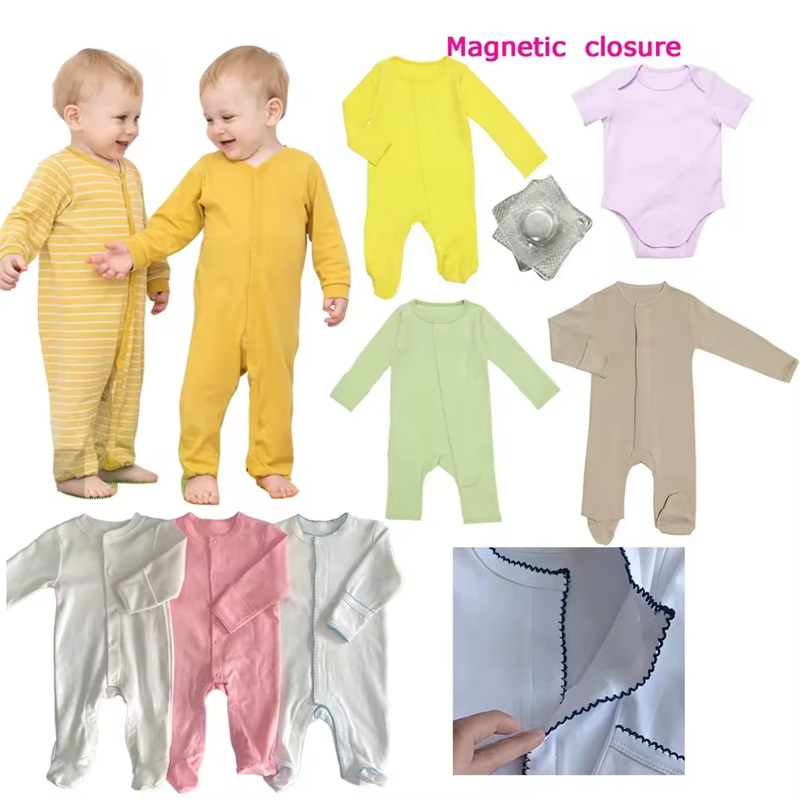
3. Zipper and Closure Design
Innovative vertical or sideways zips reduce choking hazards, with covered seams preventing skin irritation.
4. Safety Certifications
Look for compliance with standards such as the CPSC (Consumer Product Safety Commission) in the US or ISO safety guidelines relevant to textiles and infant products.
5. Washability and Durability
Machine-washable fabrics that retain integrity after multiple cycles are vital—let’s be honest, infant products get dirty fast.
Product Specifications Example
| Feature | Specification |
|---|---|
| Material | Organic cotton blend, breathable mesh panels |
| Sizes Available | 0-6 months, 6-12 months, 12-18 months |
| Closure | Two-way zipper with zipper cover flap |
| Weight | Lightweight, approx. 200 grams per sack |
| Safety Standards | Meets ASTM F2194-17, CPSIA compliant |
Global Applications and Real-World Use Cases
Safe sleep sacks are more than just baby shower staples. They’ve become a staple in urban hospitals, neonatal care units, and also in humanitarian relief efforts. For instance, in refugee camps across South Asia, organizations have started distributing specially designed sleep sacks to improve infant care where traditional blankets are scarce or unsafe. Adoption in industrialized nations is common but steadily growing in emerging markets, often aided by local manufacturing initiatives which adapt materials and sizing to regional climates and cultures.
One fascinating example comes from disaster relief efforts in the wake of hurricanes or floods. Aid groups find that distributing safe sleep sacks not only helps safeguard infant health but also offers comfort to families amid chaos — a small but significant dignified touch.
Advantages and Long-Term Value
- Enhanced safety: Minimizes suffocation and entanglement risks associated with loose blankets.
- Cost efficiency: Durable designs mean fewer replacements, and better sleep means fewer health issues down the road.
- Sustainability: Many manufacturers now use organic or recycled fabrics, supporting eco-friendly production.
- Social impact: Distribution programs improve public health outcomes, especially in under-resourced areas.
- Peace of mind: Both new and veteran parents appreciate the emotional ease that comes with knowing their baby is safe and cozy.
A parent once shared how switching to a safe sleep sack helped ease their anxiety about nighttime breathing risks—small changes with big emotional payoffs.
Emerging Trends and Future Innovations
Looking forward, the industry is testing “smart” sleep sacks embedded with temperature and movement sensors that connect to smartphone apps—adding a whole new level of monitoring. Plus, sustainability forces push companies towards biodegradable or fully recyclable materials, reducing landfill waste. Oddly enough, despite the high-tech potential, simplicity wins: breathability and safety remain non-negotiable.
Challenges and Innovative Solutions
Though great, safe sleep sacks aren’t perfect. Some parents struggle with fit between brands; others find zippers tricky during nighttime changes. Affordability, especially in less affluent regions, is another hurdle. To tackle these, manufacturers experiment with adjustable sizing, safer zipper designs, and cost-reducing bulk manufacturing. Plus, NGOs collaborate with local artisans to marry safety standards with cultural preferences, increasing acceptance and usage.
Vendor Comparison: Popular Safe Sleep Sack Brands
| Brand | Material | Price Range | Key Feature |
|---|---|---|---|
| SnuggleSafe | Organic Cotton | $30-$45 | Thermoregulating fabric |
| SafeNest | Bamboo Blend | $25-$40 | Eco-friendly and hypoallergenic |
| CozyCloud | Recycled Polyester | $20-$35 | Machine-washable & quick dry |
FAQ: Frequently Asked Questions About Safe Sleep Sacks
Q1: How do safe sleep sacks reduce the risk of SIDS?
A1: Safe sleep sacks eliminate loose bedding in a crib, vastly reducing suffocation and entanglement hazards. Their snug fit also keeps babies warm without overheating, which is a contributing factor in SIDS cases.
Q2: Can I use a safe sleep sack during any season?
A2: Yes, but you should choose the fabric weight based on your climate. Lightweight cotton blends suit warmer months, while fleece-lined sacks provide extra warmth during colder seasons.
Q3: Are safe sleep sacks suitable for newborn premature babies?
A3: Many neonatal wards use specialized safe sleep sacks designed for premies. However, always consult with your pediatrician to ensure suitability based on your baby’s health status.
Q4: How often should safe sleep sacks be washed?
A4: Frequent washing is recommended to maintain hygiene, as babies can soil their sacks often. Using gentle detergents and following manufacturer wash instructions preserves fabric integrity.
Conclusion: Secure, Sustainable Sleep for Every Baby
In real terms, the humble safe sleep sack is a quiet hero in infant care—uniting safety, comfort, and innovation. Its role grows in importance worldwide, from developed urban centers to underserved rural areas, offering a scalable solution to a persistent challenge. If you want to explore safe sleep sacks for your family or organization, visit our website: https://www.factorypyjamas.com. Because every baby deserves restful, safe sleep.
Takeaway: Safe sleep sacks blend science and practicality, proving that sometimes, the simplest innovations have the biggest impact.