

Newborn Sleep Sack: Safety, Comfort & Innovation for Infant Sleep
Newborn Sleep Sack: Comfort, Safety, and Beyond
When it comes to ensuring newborns get a safe, comfortable night's sleep, the newborn sleep sack swiftly emerges as a modern essential. It’s not just a swaddling replacement; it’s a thoughtfully designed sleepwear solution that addresses safety, comfort, and developmental needs for infants worldwide. Globally, millions of babies sleep better because of this simple garment, but oddly enough, awareness and usage still vary widely. Understanding what a newborn sleep sack is, how it contributes to infant health, and why it matters in today’s parenting and health care landscape offers practical insight for parents, caregivers, and even humanitarian organizations.
Introduction: Why the Newborn Sleep Sack Matters Globally
The World Health Organization (WHO) estimates that safe sleeping practices can reduce sudden infant death syndrome (SIDS) rates by over 50%. Yet, unsafe bedding, including loose blankets, continues to be a prominent risk factor worldwide. Enter the newborn sleep sack—a wearable blanket that replaces loose bedding and reduces risks associated with traditional swaddling and blankets. Given that approximately 130 million babies are born every year according to UN data, the potential global impact in reducing infant sleep-related accidents is massive.
But the importance of sleep sacks extends beyond pure safety. They represent a segment of innovative infant care products that respond to evolving parental needs, cultural considerations, and even climate factors. And frankly, as more parents seek convenient, breathable, and eco-friendly options, the newborn sleep sack industry is growing rapidly—projected to expand by 6.5% annually through 2027 (Source: MarketsandMarkets).
Mini takeaway: Understanding newborn sleep sacks is key to promoting safer infant sleep practices worldwide and meeting rising global market demand for infant care products.
What Is a Newborn Sleep Sack?
Simply put, a newborn sleep sack is a sleeveless wearable blanket designed for infants to wear during sleep. Unlike traditional blankets that pose suffocation hazards, these sacks envelop the baby gently, leaving the arms free but preventing loose covers from causing harm. They often zip or snap closed and come in various materials to match seasonal needs.
Their connection to modern childcare is strong—many hospitals recommend them, and they're gaining traction in both developed and developing contexts, especially where infant sleep safety education proliferates.
Core Components of Newborn Sleep Sacks
1. Material Quality and Breathability
Breathable cotton, bamboo blends, and organic fabrics dominate the market, providing soft, hypoallergenic options. This ensures newborns don’t overheat—a critical safety factor.
2. Safety Design
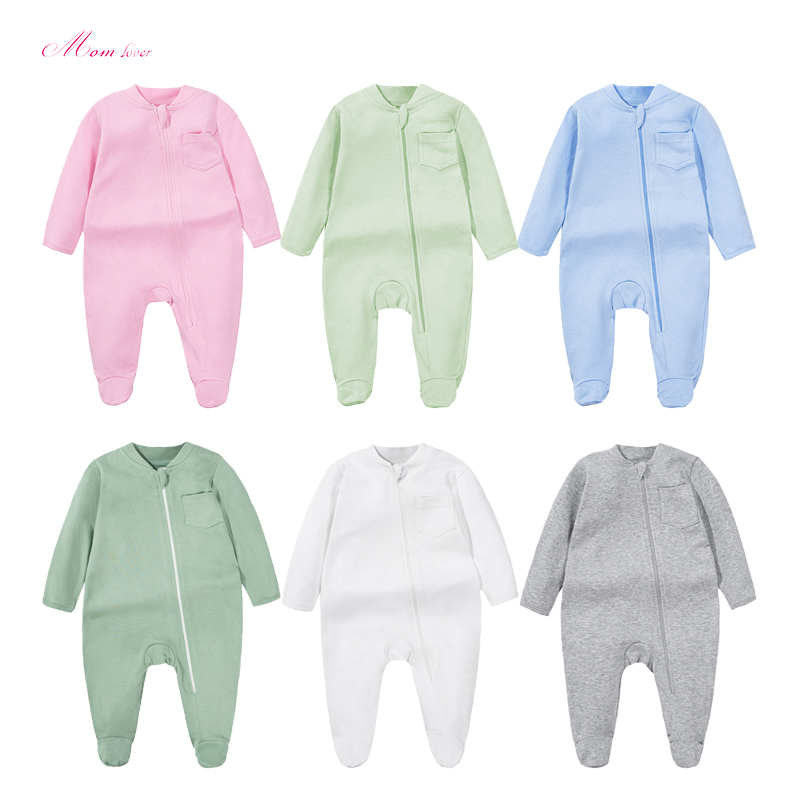
Sleep sacks feature wide neck and armholes to prevent slipping over the face; zippers and snaps are covered to avoid skin irritation. Many comply with ASTM F1917-18 safety standards.
3. Temperature Regulation
Tog ratings indicate the thermal insulation level. Newborn sleep sacks range typically from 0.5 to 2.5 tog to accommodate various climates.
4. Ease of Use
Front or side zippers ensure quick diaper changes without fully removing the sack—an appreciated convenience in fussy nights.
5. Design and Aesthetics
From pastel prints to organic dyes, many parents opt for designs that combine style with eco-friendly values.
| Feature | Specification |
|---|---|
| Material | Organic cotton, bamboo jersey, fleece |
| Sizes | 0-6 months typical |
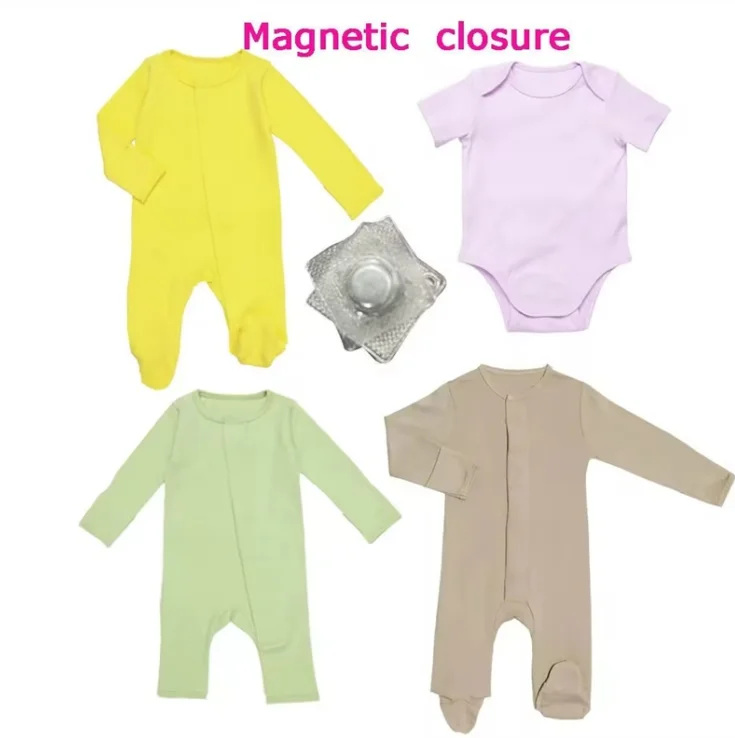
| Closure Type | Front zipper or side snap |
| Tog Rating | 0.5 - 2.5 Tog |
| Safety Standards | ASTM F1917-18 certified |
Mini takeaway: Newborn sleep sacks blend material science, infant safety design, and usability in a compact product, making them indispensable in modern infant care.
Global Applications & Use Cases
Sleep sacks are widely used in North America and Europe, where safe sleep campaigns have popularized them in hospitals and homes. But it’s really interesting how they’re gaining ground elsewhere — for instance, UNICEF has recommended wearable blankets in certain child care centers in Asia to reduce infections caused by shared bedding.
In colder climates like Scandinavia or Canada, thicker fleece versions help maintain infant warmth without the dangers of heavy covers. And in tropical regions, lightweight breathable options offer comfort without overheating.
Oddly enough, some humanitarian NGOs have also introduced newborn sleep sacks in disaster relief camps—a small but effective way to reduce exposure and promote hygienic sleeping conditions when cribs and bedding are scarce.
| Brand | Material | Price Range | Unique Feature |
|---|---|---|---|
| Halo SleepSack | Polyester fleece, cotton blend | $25-$35 | Inverted zipper for diaper changes |
| Love to Dream Swaddle UP | Cotton, elastane blend | $35-$40 | Arms-up design for natural sleep |
| Nested Bean Zen Sack | Organic cotton jersey | $40-$50 | Weighted design mimics soothing touch |
| Burt’s Bees Baby | 100% organic cotton | $20-$30 | Eco-friendly and affordable |
Mini takeaway: Diverse applications from hospitals to humanitarian relief highlight the newborn sleep sack's universal value in infant care.
Advantages & Long-Term Value of Newborn Sleep Sacks
The benefits are more than skin-deep. For starters, they drastically reduce the risk of suffocation associated with loose blankets, fostering safe sleep environments. Many parents report that newborn sleep sacks improve their baby's sleep quality—likely because comfort and safety go hand in hand.
Economically, a durable sleep sack can last through multiple babies or be easily cleaned and reused, offering long-term value. Environmentally, organic and sustainable fabric options reduce chemical exposure and carbon footprint, aligning with growing eco-conscious consumer values.
Emotionally, they give caregivers peace of mind. After all, what parent doesn’t want to trust that their infant is sleeping soundly, safely swaddled in a garment designed for modern parenting realities?
Future Trends & Innovations in Newborn Sleep Sack Design
As with many baby products, sustainability is increasingly paramount. New fabrics made from bamboo and recycled fibers are trending, combining softness with ecological responsibility. Some vendors are even integrating smart textiles that monitor temperature or breathing—although this tech is just emerging and not yet mainstream.
Likewise, digital customization is coming into play. Imagine choosing colors, sizes, and patterns online that adjust exactly to your baby's growth phases—oddly enough, the future of newborn sleep sacks could be as personalized as a tailored suit.
Challenges and Solutions
Not everything is perfect, though. One challenge is ensuring all products meet rigorous safety standards globally since regulations vary. Also, in some cultures, traditional swaddling or different infant care customs mean introducing sleep sacks requires education and sensitivity.
The best solution? Combining community outreach programs that inform caregivers with ongoing product innovation tailored to local needs—for example, lighter materials in tropical zones or layers for colder areas. Collaboration between manufacturers, pediatricians, and NGOs has been quite effective here.
FAQ: Frequently Asked Questions About Newborn Sleep Sacks
- Q: Are newborn sleep sacks safe to use all night?
A: Yes, when used according to size and safety guidelines, sleep sacks are safe for overnight use. They reduce risks of loose blankets while supporting temperature regulation. - Q: Can I use a sleep sack instead of swaddling?
A: Many parents transition from tight swaddling to sleep sacks to allow more arm movement while maintaining security, especially as babies grow. - Q: How do I choose the right tog rating?
A: The tog rating depends on room temperature: 0.5-1 tog for warmer climates, 2.5+ for colder. Always check your baby isn’t overheating or cold. - Q: Can newborn sleep sacks be used in hospital settings?
A: Yes, many hospitals endorse sleep sacks as safer alternatives to traditional blankets. - Q: How should I wash and care for sleep sacks?
A: Follow fabric-specific instructions—usually machine washable on gentle cycles. Avoid fabric softeners to maintain breathability.
Conclusion: The Sleep Sack—A Small Change With Big Benefits
The newborn sleep sack is one of those products that quietly transform infant care—combining safety, comfort, and sustainability in a simple garment. Whether you’re a new parent, healthcare professional, or working in humanitarian support, understanding and advocating for this essential can improve infant sleep and safety worldwide.
For parents ready to explore options, I suggest checking out the range of newborn sleep sacks available at our site, where quality meets thoughtful design.
Final thought: Sometimes the smallest, most unassuming innovations—like the newborn sleep sack—make the deepest impact on health and well-being. Kind of a gentle revolution, wouldn’t you say?