

Custom Bamboo Fiber Kids’ Pajama Set – Soft & Eco-Friendly
Custom Bamboo Fiber Kids’ Pajama Set: what parents (and buyers) actually ask me
The short version? Soft like a cloud, sturdy like a workhorse, and reasonably priced for private-label brands. The longer version is more interesting. Over the last two seasons I’ve seen bamboo-based sleepwear quietly outpace cotton in small and mid-size retail lines. Better drape, easier color, fewer itchy complaints. And yes, a greener story—though we’ll get to that nuance.
What it is (and how it’s built)
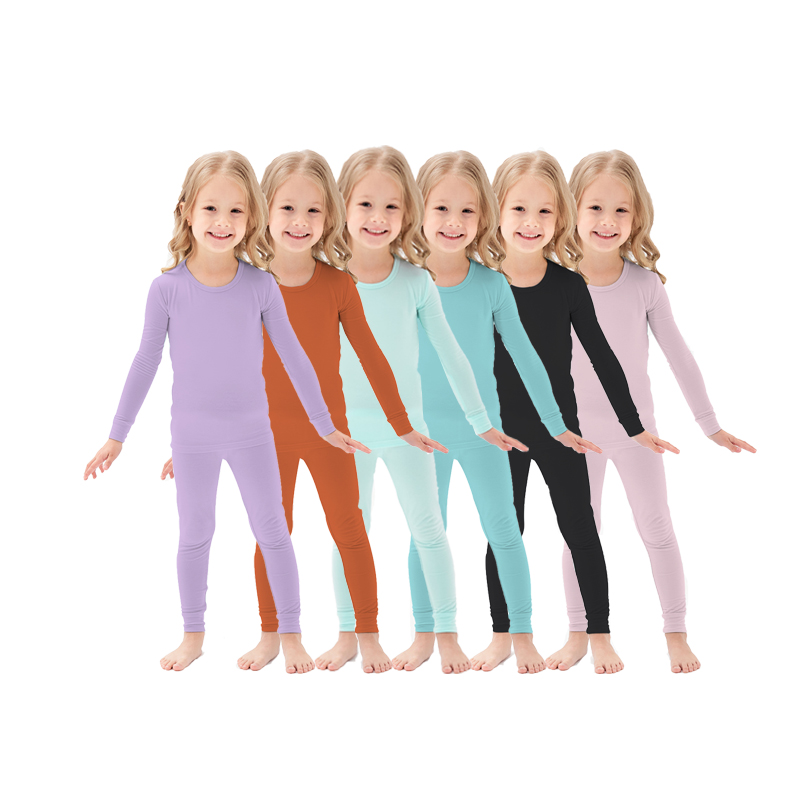
This two-piece set covers ages 2–8 out of the box, with custom sizes up to pre-teen. The factory in Shijiazhuang (Room 19-1907, Ximeihua Street Building, No. 8 Huifeng Road, Qiaoxi District, Hebei Province) runs tight, and to be honest, their pattern grading has improved since last year—less sleeve twist, better waistband recovery.
| Spec | Detail (≈, real-world use may vary) |
|---|---|
| Fabric | 95% bamboo viscose, 5% spandex; interlock jersey |
| Weight | ≈ 190–220 gsm for year-round comfort |
| Sizes | 2T–8T standard; custom up to 12Y |
| Construction | Flatlock seams, 1x1 rib cuffs/neck; covered elastic waistband |
| Printing/Dyes | Water-based screen or digital reactive; OEKO-TEX Class I capable |
| Tested shrinkage | ≤ 3% after 3x AATCC 135 home launderings |
| Care | Machine cold, gentle; tumble low |

Process flow, testing, and service life
Materials: ring-spun bamboo viscose yarn → knitting (interlock) → enzymatic bio-polish → cutting with size markers → flatlock stitch assembly → water-based print → pre-shrink wash → QC and metal detection. Methods are pretty standard, but the enzyme finish is what keeps the hand feel buttery.
Standards and results: colorfastness to washing AATCC 61: Grade 4–5; to light AATCC 16: 4; pH 6.5–7.5; formaldehyde ND (
Where it’s used (beyond bedtime)
Kids’ boutiques, subscription sleepwear boxes, merch drops for family YouTubers (seriously), and hospital gift shops that need hypoallergenic-feel fabrics. Many customers say the breathability curbs “night sweats,” especially in shoulder seasons.

Customization that matters
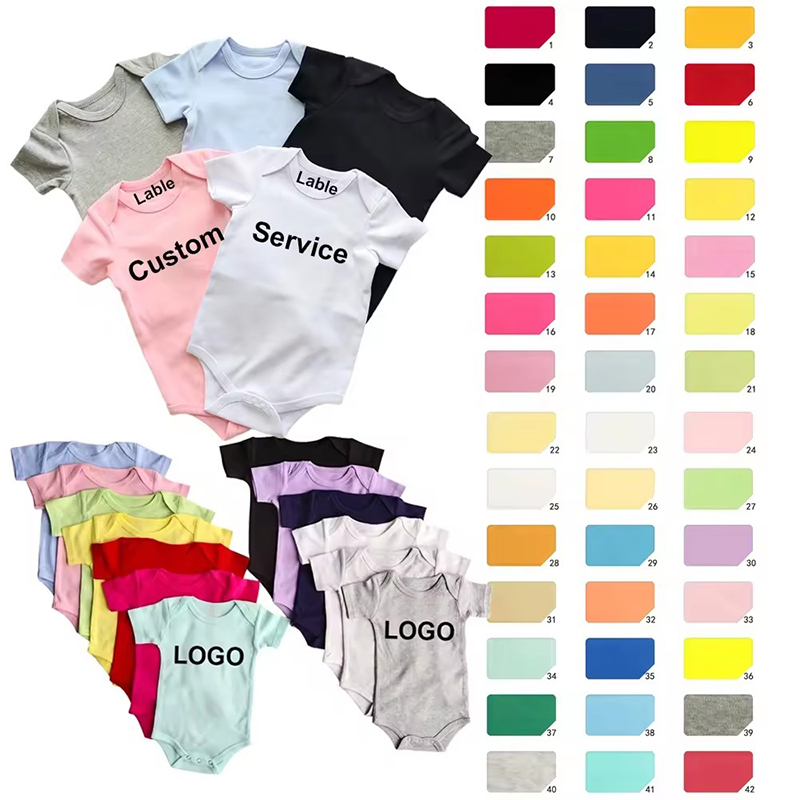
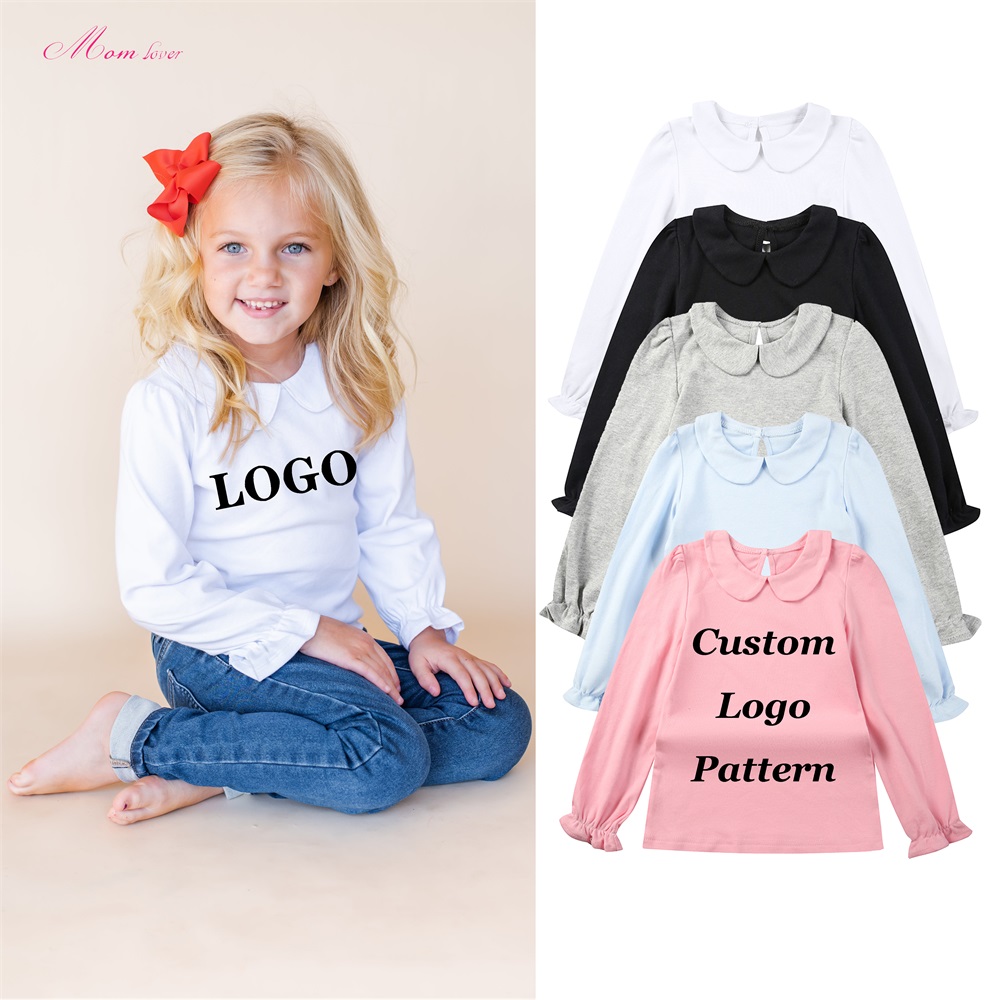
Color, style, logo, and pattern—the usual. The factory also does contrast cuff color-matching (ΔE ≤ 1.0 target), heat-transfer neck labels, and seasonal capsules. MOQs can go as low as ≈ 300 sets per colorway with consolidated fabric dye lots. Lead time is typically 25–35 days after PPS approval.
Vendor landscape (my blunt take)
| Vendor | MOQ | Lead Time | Customization | QC Transparency | FOB Price (indicative) |
|---|---|---|---|---|---|
| Factory (in-house) | ≈ 300–500 | 25–35 days | High (patterns, trims, prints) | High (lab reports, PPS) | $6.9–$9.8/set |
| Trading company | 500–1,000 | 30–45 days | Medium | Medium | $8.5–$12.5/set |
| Boutique brand OEM | 200–400 | 40–60 days | Very high | High | $12–$18+/set |
Case study and feedback
A Canadian kids’ sleep brand ran 600 sets of Custom Bamboo Fiber Kids’ Pajama Set in three prints. Return rate fell to 0.7% (from 2.3% on cotton), driven by “softer than expected” reviews. One parent wrote—only half joking—“My toddler stopped complaining at bedtime.” Shrinkage measured 2.1% chest width after three washes; color shift ΔE 1.6 under D65.
Why pick this set
- Breathable, low-irritation hand feel; great for sensitive skin.
- Snug-fit compliance route for 16 CFR 1615/1616—no flame retardants.
- Real QC: AATCC 135 shrinkage, AATCC 61 wash fastness reports available.
- Custom prints/logos without crushing MOQs, plus consistent sizing.
If you’re building a new line, the Custom Bamboo Fiber Kids’ Pajama Set hits that sweet spot: premium feel with scalable costs.
Citations
- OEKO-TEX Standard 100, Product Class I (baby) – https://www.oeko-tex.com
- U.S. 16 CFR Part 1615/1616, Children’s Sleepwear Flammability – https://www.ecfr.gov
- AATCC 135, Dimensional Changes of Fabrics After Home Laundering – https://www.aatcc.org
- EN 14682, Cords and Drawstrings on Children’s Clothing – https://standards.iteh.ai
- CPSIA (Lead, Phthalates, Tracking Labels) – https://www.cpsc.gov
Previous
This is the first article